
That drawer full of old phones, tangled cables, and forgotten tablets isn’t just clutter—it’s part of a global problem that grows heavier every year. In 2022, the world produced a record 62 million tonnes of e-waste, according to the UN’s Global E-waste Monitor 2024. That’s an 82% jump since 2010, and the figure is on track to hit 82 million tonnes by 2030.
The trouble is, only 22.3% of that e-waste was properly collected and recycled. The rest slipped into landfills, incinerators, or informal processing sites—leaving an estimated $62 billion in recoverable materials on the table and releasing toxins into the environment.
The good news? Recycling your old electronics is easier than you might think. This guide walks you through why it matters, how to prepare your devices safely, and where to take them so nothing valuable—or hazardous—goes to waste.
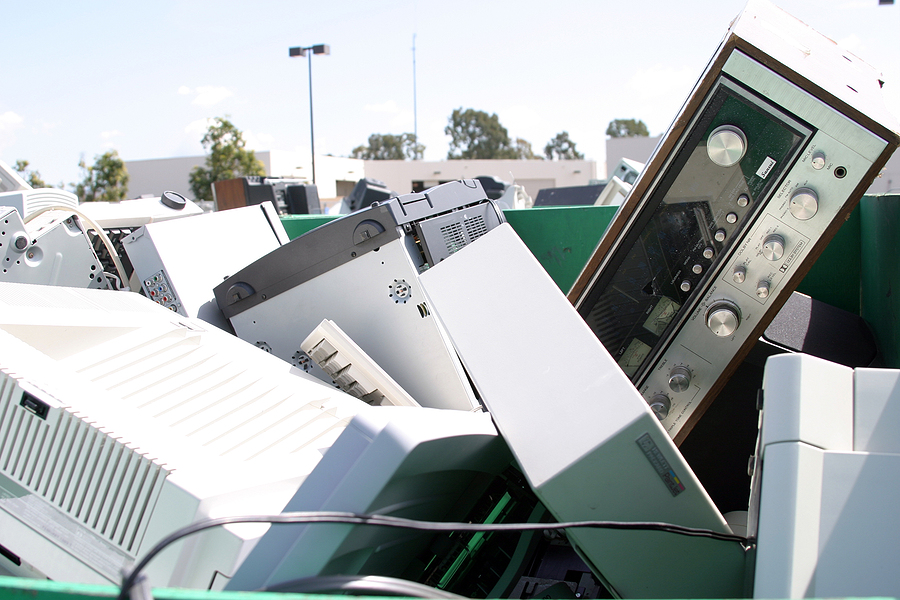
Why Recycling Old Technology Matters
Electronics don’t belong in the trash, and here’s why responsible disposal is worth the small effort.
The environmental cost of e-waste in landfills
E-waste is one of the fastest-growing waste streams in the world. When electronics pile up in landfills, they take up space and leach harmful substances into soil and water over time. The UN reports that e-waste is now rising five times faster than documented recycling efforts—a gap that’s widening each year.
Valuable materials you can recover
Your old laptop or phone is a small treasure chest of reusable resources. Electronics contain gold, silver, copper, aluminum, and rare earth elements that can be recovered and returned to the supply chain. Right now, recycling meets just 1% of global rare earth demand, so every recycled device helps reduce the need for new mining.
Health risks of improper disposal
Many devices contain toxic additives such as mercury, lead, and cadmium. When electronics are burned or dumped, these substances can enter the air, water, and food chain, posing real risks to human health—especially in communities near informal disposal sites. Recycling through the proper channels keeps these hazards safely contained.
How to Prepare Your Devices for Recycling
A few simple steps protect your privacy and make the recycling process smoother.
Back up and erase your personal data
Before anything else, save what matters. Move important photos, files, and contacts to another device or cloud storage. Then wipe the device completely:
- Unlink your accounts. Log out of every service, remove SIM and memory cards, and deregister the device from cloud accounts.
- Perform a factory reset. Restore the device to its original settings—and consider doing it more than once.
- Use data-wiping tools. A factory reset alone doesn’t always remove everything. Programs like DBAN or Blancco overwrite your storage multiple times, making recovery nearly impossible.
- Destroy the drive if needed. For highly sensitive information, physically removing and shredding the hard drive is the only guaranteed method.
Data breaches from improperly discarded devices have cost companies millions in fines. When in doubt, err on the side of caution and wipe it yourself.
Remove batteries safely
Lithium-ion batteries are a fire hazard when damaged or crushed. If a battery is removable, take it out and recycle it separately through a battery-specific program. If it’s built in, let your local metal e-waste recycler know so they can handle it properly.
Find a certified recycler
Not all recyclers are created equal. Look for facilities certified under R2 (Responsible Recycling) or e-Stewards standards, which ensure devices are processed safely and data is properly destroyed. You’ll typically choose between two options:
- Local drop-off centers, which are convenient and let you hand devices over in person.
- Mail-in programs, which are handy for smaller items when a local option isn’t nearby.
Where to Recycle Your Technology
Once your devices are prepped, you have several good options.
Manufacturer take-back programs
Many manufacturers offer free take-back programs. Companies like Apple, Dell, and HP accept their products—and often others—for responsible recycling, sometimes with store credit attached.
Retail trade-in programs
Retailers such as Best Buy run trade-in programs that turn old electronics into gift cards or credit toward a new purchase. It’s a practical way to upgrade while keeping your old device out of the landfill.
Local recycling centers
Local scrap and metal recycling centers are often the fastest route, and many pay cash for your electronics. In Indiana, state law (Indiana Code 13-20.5) has prohibited tossing electronics in landfill-bound trash since January 1, 2011. That includes TVs, monitors, computers, laptops, tablets, e-readers, printers, cameras, and more—so a registered recycler isn’t just convenient, it’s the law.
Donation for working devices
If a device still functions, consider donating it to a school, charity, or community group. Extending a device’s life is even better for the planet than recycling it—just be sure to wipe your data first.
Common Questions About Tech Recycling
Is my data truly deleted after a factory reset?
Not always. A standard reset can leave recoverable traces behind. For complete peace of mind, use data-wiping software that overwrites the drive multiple times, or physically destroy the storage for sensitive information.
Will I get compensated for my old devices?
Sometimes, yes. Many scrap recyclers pay cash for electronics based on their metal content, and retail trade-in programs offer gift cards or store credit. Value depends on the device type, condition, and current metal prices.
What happens to electronics after they’re recycled?
Certified recyclers sort devices, destroy any remaining data, dismantle the units, and separate valuable materials from hazardous ones. Recyclable metals and plastics are sent back to manufacturers for reuse, while hazardous components are disposed of safely.
Are there laws about e-waste disposal?
Yes, and they vary by state. Indiana’s E-Waste Law bans electronics from landfill-bound trash and requires recyclers to register with the Indiana E-Cycle program. Always check your local regulations before disposing of any device.
Ready to Recycle? Start With Zore’s Recycling
Clearing out your old technology protects your data, keeps toxins out of the environment, and puts valuable materials back to good use. The hardest part is simply getting started.
If you’re in Central Indiana, Zore’s Recycling makes it easy. Serving Indianapolis since 1927, Zore’s accepts laptops, tablets, computer towers, cell phones, printers, game consoles, and more—paying cash on the spot while adhering to all local, state, and EPA regulations.
Stop by 1300 N. Mickley Ave., Building 5, Indianapolis, IN 46224, or call 317-244-0700 to turn your old electronics into cash today.
Related Posts:
Indiana E-Waste Law: How to Recycle Electronics
Digitally Declutter: A Greener Tomorrow Through Electronic Waste Recycling
Managing E-Waste: A Homeowner’s Guide to Eco-Friendly Disposal