Lost Your Title? Here’s How to Get a Duplicate in Indianapolis

Losing an important document is stressful. One moment you know exactly where it is, and the next, it’s vanished into thin air. While losing a receipt is annoying, losing your vehicle’s certificate of title can feel like a major roadblock—especially if you are planning to sell your car, transfer ownership, or use it as collateral.

Your car title is the ultimate proof of ownership. Without it, you cannot legally transfer the vehicle to someone else. Fortunately, if you are in Indianapolis, the process for replacing a lost, stolen, or damaged title is straightforward once you know the steps. The Indiana Bureau of Motor Vehicles (BMV) has specific procedures in place to help you get back on the road (legally speaking) as quickly as possible.

This guide will walk you through exactly how to apply for a duplicate car title in Indianapolis, ensuring you have the right documents and know what to expect during the process.

Call 317-244-0700 to Reach Our Car Recycling Center in Indianapolis - Earn Fast Cash!
Call 317-244-0700 to Reach Our Car Recycling Center in Indianapolis – Earn Fast Cash!

Replacing a Lost of Stolen Car Title in Indianapolis

Step 1: Gather the Required Documents

Before you head to a BMV branch or log online, you need to ensure you have the necessary documentation. The BMV is strict about paperwork; having everything ready beforehand will save you from the frustration of a rejected application.

To apply for a duplicate title, you generally need the following:

  • Proof of Identity: You must present an unexpired photo ID. Acceptable forms include an Indiana driver’s license, a state-issued ID card, a US passport, a military ID, or a school ID.
  • Vehicle Information: You will need the Vehicle Identification Number (VIN) to ensure the title is generated for the correct car. It is also helpful to know the year, make, and model.
  • Lien Release (If Applicable): If you previously had a loan on the vehicle but have paid it off, you must provide a lien release. A duplicate title cannot be issued with a lien unless it is being mailed directly to the lienholder. If the lien is still active, the duplicate title will be sent to the lender, not you.
  • Application Form: The official document needed is the Application for Certificate of Title for a Vehicle – State Form 205.

Step 2: Complete the Application

State Form 205 is the primary document you will need to fill out. You can download this form from the IN.gov website or pick one up at any Indianapolis BMV branch.

When filling out the form, accuracy is key. You will need to provide:

  • Owner Information: Your full legal name and current address.
  • Vehicle Details: The VIN, year, make, model, and current odometer reading.
  • Reason for Request: You must indicate why you need a duplicate (e.g., lost, stolen, mutilated/destroyed).

If you are filling this out because the original title was damaged (mutilated), you should be prepared to surrender the damaged title when you submit your application.

Recycle Your Scrap Car Today & Earn Instant Cash!

Step 3: Pay the Fees

Nothing at the BMV is free, but the cost for a duplicate title is relatively standard. As of 2024, the fee for a duplicate title in Indiana is $15.00.

If you are in a rush and need the title processed faster than the standard timeline, you can opt for a “Speed Title.” This service costs an additional $25.00 (bringing the total to $40.00).

Accepted payment methods include:

  • In-Branch: Cash, check, Visa, MasterCard, Discover, or American Express.
  • Online (myBMV): Credit/debit card or e-check.
  • By Mail: Check, cashier’s check, or money order payable to the BMV. (Note: Personal checks are not accepted if your address is out-of-state).

Be aware that credit and debit card transactions usually incur a small processing fee.

Step 4: Submit Your Application

Residents of Indianapolis have a few different options for submitting their duplicate title application. Choose the one that best fits your schedule and urgency.

Option A: Online (The Fastest Method)

The most convenient way to replace your title is through the myBMV portal.

  1. Log in to your myBMV account.
  2. Navigate to the “Titles” section.
  3. Select the vehicle that needs a replacement title.
  4. Verify your address and details.
  5. Pay the fee via credit card or e-check.

Note: You cannot process a duplicate title online if your address has changed since your last registration or if there is an issue with your lien status.

Option B: Visit a BMV Branch or BMV Connect Kiosk

You can visit any BMV branch in the Indianapolis area.

  1. Bring your photo ID and vehicle information.
  2. Fill out the application at the branch (or bring your pre-filled Form 205).
  3. Pay the fee at the counter or kiosk.

Using a BMV Connect Kiosk allows you to skip the line. You simply scan your driver’s license, select “Duplicate Title,” and follow the on-screen prompts.

Option C: By Mail

If you prefer not to visit a branch or use the internet, you can mail your packet.

Send your completed State Form 205, a copy of your photo ID, and your payment (check or money order) to:

Indiana Bureau of Motor Vehicles
100 N. Senate Ave., Room N411
Indianapolis, IN 46204

How Long Will It Take?

Patience is a virtue, especially when dealing with government documents.

  • Standard Processing: Typically, it takes up to 21 calendar days to process and mail a standard duplicate title.
  • Speed Title: If you paid the extra $25 for a speed title, the processing time is substantially shorter. It is usually mailed via FedEx Ground (for standard addresses) or USPS Priority Mail (for P.O. Boxes).

If you have not received your title after 21 days, you should contact the BMV Contact Center to check the status of your application.

Keeping Your New Title Safe

Once that crisp, new title arrives in the mail, your first instinct might be to put it in your car’s glovebox. Do not do this.

If your car is stolen and the title is in the glovebox, the thief effectively has everything they need to transfer ownership or sell the vehicle. Instead, treat your title like a birth certificate or social security card. Store it in a secure, fireproof safe at home or a safety deposit box.

Conclusion

Getting a duplicate car title in Indianapolis is a manageable administrative task. By gathering your ID and vehicle details, filling out State Form 205, and choosing the submission method that works for you, you can secure your proof of ownership without a headache. Whether you choose the convenience of myBMV or the traditional mail-in route, the process is designed to help you regain legal control of your vehicle.

Ready to sell your old car?

If you are digging up your title because you are ready to get rid of an old, damaged, or non-running vehicle, we can help. We buy junk cars across Central Indiana and recycle them responsibly, offering free towing and instant payment. Call Us Today to recycle your junk car for cash on the spot!

Call Now to Get an Offer

Related Post: Scrapping Your Junk Car in Indiana: What You Need to Know About Car Titles

Beyond the Junkyard: Understanding the Environmental Impact of Automotive Recycling

When we think about sustainable living, our minds often jump to recycling bins, reusable water bottles, or composting kitchen scraps. However, one of the most impactful forms of recycling happens on a much larger scale—in the automotive industry.

Automobiles are complex machines made of steel, aluminum, glass, rubber, and various fluids. When a car reaches the end of its life, it doesn’t just disappear. Without proper intervention, it becomes a massive environmental liability. Fortunately, automotive recycling has evolved into a sophisticated industry that transforms “junk” into valuable resources.

Understanding this process helps us appreciate the circular economy and empowers us to make better decisions when it’s time to say goodbye to our own vehicles. This guide explores the massive scale of automotive waste, the intricate recycling process, and how these efforts contribute to a healthier planet.

Call 317-244-0700 to Get In Touch With Our Automotive Recycling Center in Indianapolis
Call 317-244-0700 to Get in Touch With Our Automotive Recycling Center in Indianapolis

The Scale of Automotive Waste Around the World

The volume of automotive waste generated globally is staggering. In the United States alone, approximately 12 million vehicles reach the end of their life cycle every year. This massive fleet of retired cars represents both a significant waste management challenge and an incredible opportunity for resource recovery.

Historically, abandoned vehicles were a common sight in rural landscapes and urban alleyways, leaking hazardous fluids into the soil and rusting away. Today, thanks to stricter regulations and a robust recycling infrastructure, that narrative has shifted. In the U.S., automobiles have become the most recycled consumer product.

However, the job is far from simple. A single vehicle contains thousands of parts and a mix of materials that require specialized handling. From the steel frame to the complex electronics in the dashboard, every component represents potential waste if not managed correctly. The industry processes millions of tons of material annually, diverting a significant portion of this mass away from overflowing landfills.

Benefits of Car Recycling: Why It Matters

Recycling a car does far more than just clear up a garage or driveway. It delivers profound environmental and economic benefits that ripple through society.

Environmental Conservation

The most immediate benefit is the conservation of natural resources. Recycling steel requires significantly less energy than mining iron ore and refining it into new steel. In fact, the steel industry recycles more than 14 million tons of steel from end-of-life vehicles annually. This process drastically reduces greenhouse gas emissions and water pollution associated with mining and manufacturing.

Furthermore, proper recycling ensures that hazardous fluids—such as oil, coolant, and brake fluid—are safely removed and either reused or disposed of responsibly, preventing them from contaminating groundwater.

Economic Impact

Beyond the environmental scope, the auto recycling industry is a major economic driver. It supports a vast network of businesses, from local dismantling yards to large-scale shredding facilities and steel mills. By providing a steady supply of affordable recycled materials, the industry helps keep manufacturing costs down for new vehicles and other steel-dependent products.

The Automotive Recycling Process: From Driveway to New Products

Automotive recycling is a systematic, multi-step process designed to maximize recovery and minimize waste. Here is what happens after a car is handed over to a recycler:

1. Depollution

Before a car can be dismantled, it must be drained of all hazardous fluids. Technicians remove fuel, motor oil, transmission fluid, refrigerants, and windshield washer fluid. Batteries are also removed to prevent lead and acid contamination. This step is critical for environmental safety.

2. Dismantling

Next, the vehicle undergoes a “soft strip.” Usable parts that are still in good working condition—such as alternators, engines, transmissions, and body panels—are removed. These parts are cleaned, tested, and resold to repair shops or consumers, extending the life of other vehicles on the road.

3. Destruction and Shredding

Once the high-value parts and hazardous materials are removed, the remaining vehicle shell (the “hulk”) is crushed to reduce its volume for transport. It is then sent to a shredder, a massive machine that grinds the car into fist-sized chunks of metal in seconds.

4. Separation

Magnets and air separation technologies sort the shredded material. Ferrous metals (like iron and steel) are separated from non-ferrous metals (like aluminum and copper) and non-metallic materials (plastics, glass, and foam), known as automotive shredder residue (ASR).

Recycle Your Junk Car for Instant Cash Today

Materials Recovered and Their New Lives

The efficiency of modern auto recycling means that nearly every part of a car can find a new purpose.

  • Steel and Iron: These metals make up the bulk of a vehicle’s weight. Once recycled, they are melted down to create new car frames, construction materials, appliances, and even cans for food.
  • Tires: Old tires are notoriously difficult to dispose of, but recycling innovations have turned them into rubberized asphalt for highways, playground surfaces, and garden mulch.
  • Glass: Windshields and windows are processed into glass beads used in reflective road paints, fiberglass insulation, or new glass bottles.
  • Plastics: While challenging due to the variety of polymer types, automotive plastics are increasingly being recovered to create new vehicle components, such as dashboards and bumpers, or consumer goods like garden furniture.
  • Fluids: Oils can be re-refined into new lubricants, and coolants can be purified and reused, closing the loop on chemical waste.

Challenges and Solutions in the Industry

Despite high recovery rates—often exceeding 80% of a vehicle’s weight—the industry faces ongoing challenges. The primary hurdle is Automotive Shredder Residue (ASR). This mix of plastics, rubber, glass, and fabrics typically ends up in landfills because separating these materials is technically difficult and expensive.

However, the European Union has set a high bar with its End-of-Life Vehicles Directive, mandating a 95% reuse and recovery target. This has pushed the industry toward advanced post-shredder technologies (PST) that can better separate these complex materials.

Another emerging challenge is the rise of Electric Vehicles (EVs). While EVs reduce tailpipe emissions, their lithium-ion batteries are hazardous and difficult to recycle. The industry is currently racing to develop scalable, safe methods to recover the valuable cobalt, lithium, and nickel inside these batteries to prevent a new form of electronic waste.

How Consumers Can Help

You play a vital role in this ecosystem. When your car reaches the end of the road, don’t let it sit and rot.

  • Choose Certified Recyclers: Ensure you sell your vehicle to a reputable car recycler who follows environmental regulations regarding fluid drainage and hazardous waste handling.
  • Buy Used Parts: Support the market for recycled components by purchasing used parts for your vehicle repairs. It saves money and reduces demand for new manufacturing.
  • Support Green Manufacturers: When buying a new car, look for brands that prioritize recycled materials and sustainable manufacturing processes.

Making the Responsible Choice

Automotive recycling is a cornerstone of sustainable living. It conserves energy, protects our water and soil, and fuels the economy. By understanding the lifecycle of our vehicles, we can ensure that our drive toward the future doesn’t leave a trail of waste behind us.

If you have an old vehicle taking up space and want to ensure it is recycled responsibly, take action today.

Ready to turn your old car into cash and help the planet? Contact Zore’s Recycling in Indianapolis to sell your junk car for cash. We ensure every vehicle is processed with the highest environmental standards.

Call for a Free Offer

Related Post: How to Choose the Right Junk Car Buyer in Indiana

Don’t Bin Your Baubles: A Guide to Recycling Metal Christmas Decor

The holidays have wrapped up. The tree is looking a little weary, and the boxes are coming back down from the attic. As you pack away the memories for another year, you might find yourself holding a tangled mess of broken lights, a rusted wire reindeer, or a wreath frame that’s seen better days.

It’s tempting to toss these items into the trash and be done with it. But before you do, consider the impact of that decision. Every year, millions of pounds of holiday waste end up in landfills, where valuable materials sit uselessly for decades. Many of your old decorations—specifically those made of metal—can be given a second life.

Recycling these items isn’t just about clearing clutter; it’s a small but powerful way to reduce environmental strain and even put a little cash back in your pocket.

Call 317-244-0700 for Christmas Decor Disposal in Indianapolis

Identifying Recyclable Metal Decorations

Not all that glitters is gold, and not all that shines is recyclable metal. However, a surprising amount of holiday decor is made from materials that scrap yards are eager to accept. Knowing what to look for is the first step in responsible disposal.

Common Metal Items

Scan your pile for these common recyclable suspects:

  • String Lights: Believe it or not, those frustratingly tangled Christmas lights are a goldmine (or rather, a copper mine). The wire inside the plastic casing is typically made of copper, a highly valuable metal.
  • Wreath Frames: The skeletal structure of most wreaths is usually made of steel wire.
  • Wire Yard Art: Those light-up reindeer and snowmen often have steel or iron frames once you strip away the fabric or plastic mesh.
  • Ornament Hooks: They are small, but they add up. Most are made of steel or aluminum.
  • Tinsel: Modern tinsel is usually plastic, but vintage varieties (pre-1970s) were often made of lead or tin-lead alloys. While these are dangerous and shouldn’t be reused, they are technically metal.

🛑 Safety Note: If you suspect you have vintage lead tinsel, handle it with gloves and contact a hazardous waste facility rather than a standard scrap yard.

Material Check

How do you know what metal you have? The magnet test is the easiest method. If a magnet sticks to the item, it is likely ferrous metal (containing iron), like steel. If it doesn’t stick, it might be aluminum, copper, or brass—non-ferrous metals that are often worth more per pound.

Preparing Decorations for Recycling

You can’t simply throw a whole light-up snowman into the recycling bin. Scrap metal recycling requires a bit of preparation to ensure the materials are accepted and processed efficiently.

Removing Non-Metal Parts

The goal is to separate the metal from everything else.

  • For Lights: Most metal recyclers will accept Christmas lights “as is” because they have shredders to separate the plastic insulation from the copper wire. However, you should remove large plastic bulbs or attachments if possible.
  • For Yard Decorations: Strip away the mesh, fabric, zip ties, and plastic clips. You want to be left with just the bare metal skeleton.
  • For Ornaments: Remove glass, plastic, or fabric components. A metal bell ornament needs to be just the metal bell, not the ribbon it hangs from.

Safety First

Handling old, broken decorations can be risky. Wires can be sharp, and glass bulbs can shatter unexpectedly. Always wear thick work gloves when stripping decorations. If you are cutting wires, use proper wire cutters and eye protection to prevent injury from flying debris.

Get Started With a Free Offer for Your Scrap Décor

Finding Local Scrap Metal Recyclers

Curbside recycling bins are generally not equipped to handle scrap metal like wire frames or string lights. In fact, string lights are often called “tanglers” in the industry because they jam recycling facility machinery. instead, you need to find a dedicated scrap metal recycler like Zore’s Recycling in Indianapolis.

Where to Look

  • Online Directories: A quick search for “scrap metal yard near me” will yield results. Websites like Earth911 also allow you to search by material type.
  • Municipal Resources: Check your city’s solid waste department website. They often have lists of approved drop-off centers for materials that don’t belong in the blue bin.
  • Hardware Stores: Some large home improvement chains offer seasonal trade-in programs for old Christmas lights, offering a small discount on new energy-efficient LED strings in exchange.

The Benefits of Recycling Metal Decorations

Why go through the trouble of stripping a wreath frame? The benefits extend far beyond your own garage.

Environmental Impact

Recycling metal saves a massive amount of energy compared to mining virgin ore. For example, recycling steel uses about 74% less energy than producing it from raw materials. For aluminum, the savings are even more impressive—up to 95%. By recycling, you are directly reducing greenhouse gas emissions and preserving natural resources.

Economic Value

Scrap metal is a commodity. Unlike plastic, which often costs money to recycle, scrap yards will pay you for metal. While a single string of lights won’t make you rich, a collection of old wires, frames, and broken extension cords can add up to enough cash for a nice post-holiday lunch.

Creative Repurposing Ideas

If your decorations aren’t quite ready for the scrap heap, consider giving them a makeover. Upcycling allows you to keep the materials in use without sending them to a processing facility.

  • Tomato Cages: Flip a wire wreath frame or a cone-shaped tree frame upside down to support tomato plants in your summer garden.
  • Photo Displays: String wire across an old large metal frame to create a modern, industrial photo holder. Use clothespins to attach pictures.
  • Year-Round Lighting: Spray paint wire frames in neutral colors like black or gold, wrap them in white fairy lights, and use them as patio decor for summer evening gatherings.

Turning Your Holiday Trash into Treasure

As you clean up this season, take a moment to sort before you throw. That pile of “junk” metal represents energy savings, reduced landfill waste, and potential pocket money. It takes a little extra effort to strip and sort your old decorations, but the payoff for the planet—and your wallet—is well worth it.

If you are in the Indianapolis area and looking to clear out your clutter, don’t let those valuable metals go to waste. Bring your prepared scrap metal, old lights, and wire frames to a local facility that rewards your effort.

Ready to turn your old holiday metal into cash? Visit your local Indianapolis scrap yard today to earn money on the spot for your recyclable items.

Call Now to Get Your Offer

Related Post: Sustainable Solutions: The Eco-Friendly Way to Get Rid of Old Metal Furniture

Common Cast Iron Items That Can Be Recycled at a Scrap Yard

Many cast iron items can be recycled, including old cookware, pipes, machinery parts, automotive components, and even decorative fixtures. Cast iron is legendary for its durability. Whether it is a vintage skillet passed down through three generations or the heavy piping running beneath an old farmhouse, this material is built to last. However, even the toughest metals eventually reach the end of their lifespan. A skillet might crack, a pipe might corrode, or an old radiator might simply be replaced during a renovation.

When that happens, you are left with a heavy, cumbersome object and a significant question: what do you do with it?

Because of its weight and density, cast iron cannot simply be tossed into your standard curbside recycling bin. It requires a different approach. Fortunately, cast iron is one of the most recyclable materials on the planet. Understanding how to dispose of it properly not only clears clutter from your home but also contributes to a vital economic and environmental cycle.

Call 317-244-0700 if You are Looking for a Responsible Cast Iron Recycling Center in Indianapolis

Identifying Common Cast Iron Items

Before you head to a recycling facility, it is helpful to identify exactly what you have. Cast iron is an alloy of iron and carbon, known for being hard and brittle. While most people immediately think of cookware, this metal is found in various corners of the home and garage.

Kitchen Cookware

This is the most recognizable form of cast iron. While these pans are famous for longevity, they can crack if dropped or subjected to extreme thermal shock.

  • Skillets and Frying Pans: The classic heavy black pans found in almost every kitchen.
  • Dutch Ovens: Large, heavy pots with lids, often used for baking or stews.
  • Griddles: Flat cooking surfaces often found on stovetops.
  • Cornbread Molds: Specialty bakeware shaped like corn cobs or other designs.
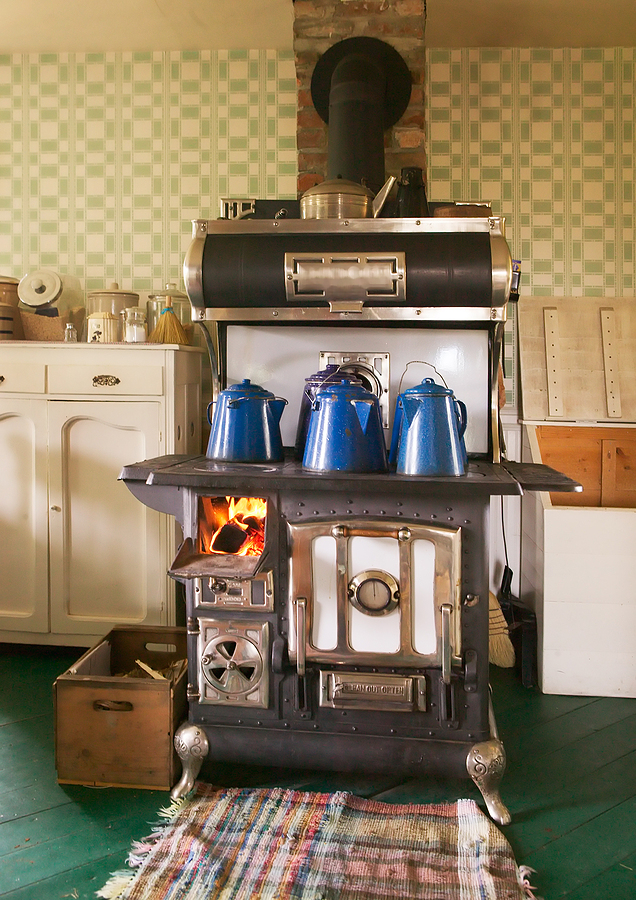
  • Antique Stoves: As pictured above!

Home Fixtures and Plumbing

If you live in an older home or are planning a renovation, you are likely to encounter substantial amounts of cast iron.

  • Radiators: Old-fashioned steam or hot water radiators are almost exclusively made of cast iron. They are incredibly heavy but hold significant scrap value.
  • Bathtubs: The classic “clawfoot” tub is a cast iron shell coated in porcelain. These can weigh several hundred pounds.
  • Sinks: Like bathtubs, older utility and farmhouse sinks are often cast iron under a layer of enamel.
  • Soil Pipes: In many older buildings, the main drain pipes are made of thick cast iron.

Automotive and Machinery

Cast iron is a favorite in the automotive industry because it handles high heat and friction exceptionally well.

  • Engine Blocks: The heavy casing that holds the pistons and cylinders.
  • Brake Rotors and Drums: These disk-shaped components wear down over time and are a very common scrap item.
  • Transmission Cases: The housing for the gear system in many older or heavy-duty vehicles.

Outdoor and Landscaping

The material’s resistance to rust (when painted or treated) makes it popular for outdoor use.

  • Patio Furniture: Tables and chairs, particularly those with intricate, heavy bases.
  • Fire Pits: Heavy-duty bowls for outdoor fires.
  • Fencing and Railing: Ornamental ironwork around gardens or porches.

Get a Free Offer for Your Scrap Iron in Indianapolis

How to Prepare Cast Iron for Recycling

Taking scrap metal to a yard is different from putting a plastic bottle in a blue bin. A little preparation ensures the process goes smoothly and helps you get the best price if the facility offers payment.

The Magnet Test

First, verify that your item is indeed iron. Iron is ferrous, meaning it is magnetic. Place a standard refrigerator magnet on the item. If it sticks firmly, you have a ferrous metal, which confirms it is likely iron or steel. If the magnet slides off, you might be dealing with aluminum or another non-ferrous metal, which is sorted differently.

Remove Non-Metal Attachments

Scrap yards look for “clean” metal. While they accept items with some contamination, you will generally receive a better reception—and sometimes a better price—if you remove non-metal parts.

  • Cookware: Remove any wooden handles or glass lids.
  • Furniture: Strip off cushions, plastic caps, or wooden slats.
  • Bathtubs/Sinks: It is usually acceptable to leave the porcelain enamel coating on, but remove the brass or chrome faucets and drain hardware. Keep these separate, as brass and copper are valuable commodities on their own.

Safety First

The most important preparation step is planning for safety. Cast iron is deceptively heavy. A small piece of pipe can weigh much more than it looks. When moving items like radiators or bathtubs, always use a dolly, wear steel-toed boots if possible, and enlist help. Do not risk a back injury for the sake of recycling.

The Environmental and Economic Impact

Recycling cast iron is about more than just cleaning out your garage; it is a responsible choice for the planet.

From an environmental perspective, recycling scrap steel and iron saves roughly 75% of the energy that would be used to create new metal from virgin iron ore (EPA, 2023). Mining ore is an energy-intensive, disruptive process. By melting down existing scrap, we significantly reduce carbon emissions and preserve natural resources. Furthermore, unlike plastic which degrades in quality each time it is recycled, metal can be recycled indefinitely without losing its structural integrity.

Economically, the scrap metal industry supports thousands of jobs, from the local collectors to the workers at the foundries. When you bring your iron to a local Indianapolis scrap yard, you are feeding materials back into the manufacturing supply chain, helping to keep costs down for new construction and goods.

Locating a Scrap Metal Recycling Center

Finding the right place to take your cast iron is straightforward if you know where to look. Municipal recycling centers (the ones that take cardboard and bottles) often do not have the equipment to handle heavy scrap metal. You need a dedicated scrap metal yard, like Zore’s Recycling in Indianapolis.

If you aren’t based in Central Indiana, you can start by searching online for “scrap metal recycling” or “ferrous metal recycling” in your area. Look for facilities that mention buying or accepting iron and steel.

Before you load up your vehicle, give them a call. Ask the following questions:

  • Do you accept cast iron? (Most do, but it is worth confirming).
  • Is there a minimum weight requirement? Some industrial yards only accept large loads, while others welcome the public.
  • Do you pay for scrap iron? Prices fluctuate based on the global market. While you won’t get rich recycling a single frying pan, a load of old radiators can yield a nice payout.
  • What are your drop-off procedures? Ask where to drive and if you need to weigh your vehicle first.

Taking the Next Step

Cast iron is too valuable and durable to end up burying in a landfill. Whether you are clearing out an estate, upgrading your kitchen, or finishing a home renovation, taking the time to recycle your iron items is a small effort with a lasting positive impact. You protect the environment, support the local economy, and ensure that the material gets a second life in a new form.

If you are located in the Indianapolis area and have old machinery, appliances, or heavy iron fixtures taking up space, you don’t have to handle the heavy lifting alone.

Ready to clear the clutter and recycle responsibly? Contact our team at Zore’s Recycling in Indianapolis today for reliable, professional scrap metal services for cast iron and more. We pay cash on the spot for all recyclable metal scrap.

Call for Your Cash Offer

Related Post: Magnetic Green: How Iron Recycling Powers Environmental Change

What Is My Junk Car Worth? A Guide to Its Value

An old, non-running car sitting in your driveway can feel like more of a burden than an asset. But even if it’s seen better days, that junk car has value. Understanding what your junk car is worth is the first step toward turning that unused vehicle into cash.

A junk car is typically a vehicle that is no longer operational or would cost more to repair than it is worth. This could be due to age, accident damage, or major mechanical failure. While it may not be roadworthy, it’s not worthless. The parts and metal that make up your car still hold significant value.

This guide will help you understand the factors that determine your junk car’s price, how to get an accurate valuation, and steps you can take to maximize your payout.

Call 317-244-0700 to Get In Touch With Our Trusted Junk Car Buyers in Indianapolis

Factors Affecting Junk Car Value

Several key elements influence how much money you can get for your junk car. A car’s worth isn’t just a single number; it’s a combination of its physical attributes and current market conditions.

Condition of the Vehicle

The overall condition of your car plays a major role in its valuation. A vehicle with many intact, functional parts will be more valuable than one that has been completely stripped or severely damaged. For instance, if the engine or transmission is still in working order, a junk car buyer might pay more because they can salvage and resell these high-demand components.

Even non-mechanical parts like alternators, starters, and interior components can add to the total value if they are in good shape.

Make and Model

The make, model, and year of your vehicle are crucial. Popular models often have a higher demand for their parts, which increases their junk value. A common car like a Honda Civic or Ford F-150 may have more valuable parts because so many are still on the road and in need of repairs.

On the other hand, a rare or classic car might have specific parts that are highly sought after by collectors, even if the car itself is a wreck. The year is also important, as it affects the technology and components present in the vehicle.

Weight and Size

A significant portion of a junk car’s value comes from its weight in scrap metal. Heavier vehicles, like trucks and SUVs, generally contain more steel and other metals, which often translates to a higher scrap price. Junk yards will weigh the vehicle to determine its scrap metal value, which fluctuates with the market. The heavier the car, the more it will likely be worth when sold for scrap.

Market Demand for Parts

The current demand for specific car parts can greatly influence your car’s value. If your vehicle has components that are in high demand for repairs, its value will increase. This is where the make and model become particularly relevant.

For example, if a specific model is known for a particular part failing, junk yards will be eager to acquire that part from junk cars to sell to car owners and mechanics. This demand is regional and can change over time based on the vehicles that are most common in your area.

Scrap Metal Prices

The price of scrap metal is a commodity that changes daily based on global supply and demand. Steel, which makes up the bulk of a car’s weight, is the primary driver of its scrap value. However, other metals like aluminum, copper, and platinum (found in catalytic converters) also contribute to the final price.

Junk car buyers constantly monitor these market prices to provide accurate quotes. A surge in scrap metal prices can mean a higher offer for your junk car, even if its condition hasn’t changed.

How to Determine the Value of Your Junk Car

Getting an accurate idea of what your car is worth requires a little research. Relying on a single source might not give you the full picture, so it’s best to explore a few options.

Online Valuation Tools

Many websites offer free junk car valuation tools. These platforms typically ask for your car’s make, model, year, condition, and location to provide an instant estimate. While these tools are convenient and provide a good starting point, remember that they are just estimates. The final offer may vary once the vehicle is inspected in person.

Contacting Local Junk Yards

One of the most direct ways to find out your car’s value is to call local junk yards and scrap yards directly. Provide them with the same information you would use for an online tool. They can often give you a quote over the phone based on the details you provide. Speaking with them directly also gives you a chance to ask about their process, including towing fees and payment methods.

Getting Multiple Quotes

To ensure you get the best price, don’t settle for the first offer you receive. Contact several junk car lots and compare their quotes. This competitive approach encourages buyers to offer a fair price. Be prepared to provide accurate information about your car’s condition to get the most reliable quotes. When you have several offers, you can confidently choose the one that provides the best value and service.

Learn How Much Your Scrap Car is Worth Now

Maximizing the Value of Your Junk Car

With a bit of effort, you can take a few steps to increase the amount of money you get for your junk car.

Remove Valuable Parts

If you have some mechanical knowledge, you can potentially increase your profit by removing and selling valuable parts individually before junking the car. Components like the GPS system, high-end stereo, battery, alternator, and even new tires can often be sold for more on their own than they would add to the total junk value. However, be sure to check with the junk car buyer first, as some may adjust their offer if major components are missing.

Clean the Car

While a junk car doesn’t need to be detailed, a quick clean can make a difference. Removing personal belongings, trash, and debris allows the buyer to inspect the vehicle more easily and shows that it has been reasonably maintained. This can create a better impression and might lead to a smoother transaction.

Gather Documentation

Having the proper paperwork in order is essential for a legitimate sale. Make sure you have the car title, as this proves you are the legal owner. If you don’t have the title, you can apply for a duplicate car title. Having your title and a valid ID ready will streamline the process and ensure you get paid without any delays.

Next Steps

Your old, unwanted vehicle has more value than you might think. By understanding the factors that determine its worth—from its condition and make to current scrap prices—you can approach the selling process with confidence. Take the time to get multiple quotes, prepare your car for sale, and gather your documents to ensure you get the best possible price. That junk car doesn’t have to be an eyesore any longer; it can be your next source of cash.

If you’re in Indianapolis and ready to turn your junk car into cash, we’re here to help! Our hassle-free process ensures you get the best value for your vehicle, no matter the condition. Don’t wait—Contact Us Today for a free quote and enjoy same-day pickup with cash in hand. Your old car is worth more than you think—call now!

Call for an Instant Offer

Related Post: Turn Your Junk Car Into Cash: The Complete Auto Salvage Yard Guide

Turn Trash into Cash: How Aluminum Can Recycling Benefits You and the Planet

Empty soda cans piling up in your kitchen? Those aluminum containers are more valuable than you might think. Aluminum can recycling offers a unique opportunity to earn extra income while making a meaningful difference for the environment. Whether you’re looking to supplement your household budget or reduce your carbon footprint, recycling aluminum cans delivers tangible benefits on both fronts.

Understanding the value of aluminum scrap metal can transform how you view everyday waste. Instead of tossing cans in the trash, you can turn them into a reliable source of cash while contributing to a more sustainable future. The process is straightforward, the rewards are real, and the environmental impact is significant.

This guide explores how aluminum recycling puts money in your pocket and helps protect our planet. You’ll learn about the economics behind recycled aluminum, discover practical tips for maximizing your earnings, and understand why this simple act matters for environmental conservation.

Call 317-244-0700 to Get Cash for Aluminum Can Recycling in Indianapolis Indiana!

The Economics of Aluminum Recycling

How Recycling Aluminum Generates Income

Aluminum holds substantial market value as a recyclable material, making it one of the most profitable items you can collect. Metal recyclers pay cash for aluminum based on weight, with prices fluctuating according to market demand and the purity of the material you bring in.

The market value of recycled aluminum depends on several factors. Global demand for aluminum products influences pricing, as does the current state of manufacturing industries. The quality and cleanliness of your aluminum also affect how much you’ll receive. Cans free from contaminants fetch higher prices than those mixed with other materials.

Maximizing Your Earnings from Aluminum Can Recycling

Strategic collection and preparation can significantly increase your recycling income. Start by storing cans in a dedicated container to prevent contamination from food waste or other materials. Crushing cans saves space and allows you to accumulate more before making a trip to the recycling center.

Building relationships with local businesses that generate aluminum waste can boost your collection efforts. Restaurants, office buildings, and event venues often welcome someone willing to remove their recyclable materials. Some recyclers even offer partnerships where they’ll collect from you regularly once you’ve established a consistent supply.

Timing your trips to metal recyclers can also impact your earnings. Aluminum prices vary throughout the year, so monitoring market trends helps you choose optimal times to sell. However, the difference may be minimal for casual recyclers, making convenience a more practical consideration.

Environmental Impact of Aluminum Recycling

Energy Conservation Through Recycling

The environmental advantages of aluminum can recycling are substantial. Recycling aluminum requires 95% less energy than producing new aluminum from raw materials. This dramatic reduction in energy consumption translates directly to fewer greenhouse gas emissions and less strain on power resources.

To put this in perspective, recycling one aluminum can saves enough energy to run a TV for three hours. Multiply that by the billions of cans Americans use annually, and the energy savings become staggering. The energy saved from recycling aluminum cans reduces greenhouse gas emissions equivalent to taking millions of cars off the road annually.

Resource Conservation and Waste Reduction

Aluminum can be recycled infinitely without any loss of quality. This remarkable property means the same aluminum can become a new can, bicycle frame, or aircraft component repeatedly without degradation. By recycling, you’re helping maintain a continuous supply of usable aluminum without the need for mining new bauxite ore.

Landfill reduction represents another critical environmental benefit. Aluminum cans take 200-500 years to decompose naturally. When buried in landfills, they occupy valuable space and potentially leach chemicals into soil and groundwater. Recycling diverts these materials from waste streams, preserving landfill capacity for items that cannot be repurposed.

The mining process required for new aluminum production carries significant environmental costs. Bauxite extraction disrupts ecosystems, destroys habitats, and consumes vast quantities of water. Each recycled can represents natural resources preserved and ecosystems protected from industrial impact.

View Our Aluminum Can Recycling Solutions!

Your Guide to Recycling Aluminum Cans

Collecting and Preparing Cans

Starting an aluminum can recycling routine requires minimal equipment. Designate a container specifically for aluminum cans in your kitchen or garage. A large bin with a lid prevents odors and keeps pests away while you accumulate enough cans to make recycling worthwhile.

Rinsing cans before storage prevents unpleasant smells and reduces the attraction of insects. You don’t need to achieve perfect cleanliness—a quick rinse with water suffices. Allow cans to air dry before placing them in your collection container to prevent mold growth.

Crushing cans saves considerable storage space, letting you collect more before making a trip to the recycling center. However, check with your local recycler first, as some facilities prefer uncrushed cans for their sorting equipment.

Finding the Right Recycling Center

Location matters when choosing where to recycle your aluminum scrap metal. Here at Zore’s Recycling in Indianapolis, we provide reliable service for individuals and families looking to turn their aluminum cans into cash. We offer competitive pricing based on current market rates and can process both small household quantities and larger commercial volumes.

Before visiting any scrap metal recycling facility, call ahead to confirm their hours, current aluminum prices, and any specific requirements for drop-offs. Some centers require identification for payment, while others have minimum quantity requirements.

Engaging Your Community

Expanding your recycling efforts through community involvement amplifies both your earnings and environmental impact. Organize collection drives at schools, churches, or community centers where people can drop off their aluminum cans. These events raise awareness about recycling benefits while building your collection volume.

Consider partnering with neighbors to create a neighborhood recycling program. Rotating responsibility for trips to the metal recyclers makes the process more convenient for everyone involved. Splitting proceeds fairly based on contribution encourages continued participation.

Start Your Aluminum Recycling Journey Today

Aluminum can recycling represents a practical solution for earning extra income while contributing to environmental sustainability. The financial returns may start small, but consistent effort builds meaningful supplemental income over time. More importantly, each can you recycle represents energy saved, resources conserved, and waste diverted from landfills.

The dual benefits of cash for aluminum and environmental protection make recycling an activity worth incorporating into your routine. Whether you’re collecting cans from your own household or expanding to community-wide efforts, every aluminum can recycled makes a difference.

Visit Zore’s Recycling or your local scrap metal recycling center to begin transforming your aluminum cans into cash today. Bring your accumulated cans, learn current pricing, and discover how simple the process truly is. Your wallet and the planet will thank you for taking this important step toward a more sustainable future.

Call Now to Get a Quote

Related Post: Why You Should Recycle Aluminum Siding at a Local Scrapyard

How to Choose the Right Junk Car Buyer in Indiana

Selling a junk car can feel overwhelming, especially when you’re dealing with a vehicle that’s seen better days. Whether your car has been sitting in your driveway for months or was recently damaged beyond repair, finding the right buyer is crucial for getting fair compensation and avoiding potential headaches down the road.

The junk car market in Indiana is filled with legitimate businesses eager to help you turn that old vehicle into cash. However, it’s also populated with less scrupulous operators who may try to take advantage of sellers unfamiliar with the process. Understanding how to identify reputable junk car buyers will ensure you receive the actual cash value (ACV) your vehicle deserves while protecting yourself from common scams.

This guide will walk you through the essential steps for selecting a trustworthy cash for cars company, from initial research to final paperwork completion. By following these guidelines, you’ll be equipped to make an informed decision that benefits both your wallet and your peace of mind.

Call 317-244-0700 to Get In Touch With Our Indianapolis Junk Car Buyers

Tips for Finding a Trusted Indiana Junk Car Buyer

Researching Potential Junk Car Buyers

Your search for reliable junk car buyers should begin with thorough online research. Start by checking customer reviews on platforms like Google, Yelp, and Facebook to gauge other sellers’ experiences. Pay particular attention to recent reviews, as they provide the most current picture of a company’s service quality.

The Better Business Bureau (BBB) serves as another valuable resource for evaluating potential buyers. Companies with BBB accreditation and high ratings demonstrate a commitment to ethical business practices. Look for patterns in complaints—occasional negative reviews are normal, but consistent issues with payment delays or lowball offers should raise red flags.

Local business listings and directories can help you identify established auto salvage yards and cash for cars companies in your area. These businesses often have physical locations you can visit, which provides an additional layer of credibility compared to purely online operations.

Don’t overlook word-of-mouth recommendations from friends, family, or local automotive professionals. Indiana residents who’ve successfully sold junk cars can offer valuable insights about which companies provide fair quotes and reliable service.

Verifying Licensing and Insurance

Legitimate junk car buyers operating in Indiana must possess proper licensing and insurance coverage. Before agreeing to any transaction, request proof of the buyer’s business license and verify its validity with the appropriate state and local authorities.

Insurance coverage protects both you and the buyer during the vehicle pickup and towing process. A reputable company, like Zore’s Inc. in Indianapolis, will carry comprehensive liability insurance and won’t hesitate to provide proof when asked. This coverage becomes especially important if accidents occur during free junk car towing or if the buyer’s employees are injured while loading your vehicle.

Unlicensed buyers represent one of the most significant risks in the junk car market. These operators may offer attractive initial quotes but often engage in fraudulent practices or simply disappear without completing the transaction. Always verify credentials before providing vehicle information or scheduling pickup appointments.

Professional junk car buyers will also be registered with relevant industry associations and maintain proper environmental permits for handling automotive fluids and materials. This compliance ensures they follow Indiana’s environmental regulations, protecting you from potential liability issues.

Getting an Accurate Quote

Obtaining fair compensation for your junk car starts with providing accurate, detailed information about your vehicle’s condition. When contacting potential buyers, be prepared to share the car’s year, make, model, mileage, and overall condition, including any damage or missing parts.

Honest disclosure about your vehicle’s problems actually works in your favor. Reputable scrappers appreciate transparency and are more likely to provide accurate quotes when they have complete information. Attempting to hide significant damage often results in reduced offers during the actual vehicle inspection.

Request quotes from multiple junk car buyers to establish a realistic price range for your vehicle. However, be cautious of offers that seem significantly higher than others—this could indicate a lowball scam where the buyer reduces the price upon arrival. Legitimate companies provide consistent quotes based on current market values for scrap metal and salvageable parts.

Understanding your junk car’s value helps you recognize fair offers. Factors influencing price include the vehicle’s weight, current scrap metal prices, demand for specific parts, and the car’s overall condition. While you might not receive the actual cash value you’d expect from a running vehicle, a fair offer should reflect these market conditions.

Understanding Payment Methods and Security

Payment security is paramount when selling your junk car for cash. Reputable buyers offer multiple payment options, including cash payments upon pickup, certified checks, or electronic transfers. Each method has its advantages, but all legitimate transactions should be completed promptly without unnecessary delays.

Cash payments provide immediate satisfaction but come with inherent risks if large amounts are involved. Many professional buyers prefer certified checks or bank transfers for higher-value transactions, as these methods provide documentation while maintaining security for both parties.

Be wary of buyers who request upfront fees or suggest unusual payment arrangements. Legitimate junk car buyers never charge sellers for their services—they profit from reselling parts and scrap metal, not from processing fees or administrative charges.

Payment timing should be clearly established before the pickup appointment. Most reputable companies complete payment immediately upon vehicle inspection and paperwork completion. Delays in payment or requests to return later with funds are warning signs of potential problems.

Request Free Scrap Car Removal Service Today!

Handling Paperwork and Title Transfer

Proper documentation is essential for protecting yourself legally and ensuring a smooth transaction. In Indiana, you’ll need to complete the title transfer section and provide the clear title to the buyer. If your title is lost or damaged, apply for a duplicate through the Indiana Bureau of Motor Vehicles (BMV) before proceeding with the sale.

Creating a bill of sale, while not legally required in Indiana, provides valuable protection for both parties. This document should include buyer and seller information, vehicle details, sale date, and agreed-upon price. Keep copies of all paperwork for your records.

The release of liability form (State Form 47518) must be submitted to the BMV within five days of your sale. This crucial step removes your legal responsibility for the vehicle and prevents future complications if the buyer fails to properly register their purchase.

Remove your license plates before the buyer takes possession of your vehicle. These plates can be transferred to another vehicle you own or returned to the BMV. Leaving plates on a sold vehicle can result in liability for violations committed by subsequent drivers.

Don’t forget to notify your insurance company about the sale to avoid paying premiums on a vehicle you no longer own. Most insurers allow you to cancel coverage or transfer it to a replacement vehicle with a simple phone call.

Red Flags and Common Scams to Avoid

Several warning signs can help you identify potentially problematic junk car buyers. Companies that provide initial high quotes but significantly reduce offers during pickup are engaging in lowball tactics designed to pressure sellers into accepting unfavorable terms.

Unlicensed operators pose serious risks, as they may not follow proper procedures for title transfers, environmental compliance, or payment processing. These individuals often provide attractive initial offers but may disappear without completing transactions or leave sellers liable for legal issues.

Payment problems represent another common scam category. Buyers who issue checks that later bounce, request delays in payment, or suggest complex payment arrangements are likely attempting to defraud sellers. Legitimate businesses have established payment processes that don’t require unusual accommodations.

Hidden fees are particularly problematic, as they reduce your final payout without warning. Reputable buyers provide comprehensive quotes that include all costs, including free junk car towing services. Surprise charges for processing, documentation, or transportation suggest unethical business practices.

Vague or unclear contracts can leave sellers vulnerable to exploitation. Professional buyers provide straightforward agreements with clearly defined terms, payment amounts, and responsibilities for both parties.

Making Your Decision with Confidence

Armed with proper research and documentation requirements, you’re ready to select a junk car buyer who will provide fair compensation and professional service. Remember that the highest quote isn’t necessarily the best choice—consider factors like company reputation, payment security, and service quality when making your decision.

Take time to verify all credentials and ask questions about anything you don’t understand. Reputable buyers welcome inquiries and provide clear explanations of their processes, pricing, and policies.

Trust your instincts throughout the process. If something feels wrong or a buyer pressures you to make immediate decisions, it’s perfectly acceptable to seek alternatives. The right buyer will respect your need to make an informed choice and won’t rush you through important decisions.

By following these guidelines, Indiana residents can confidently navigate the junk car selling process while avoiding common pitfalls and maximizing their returns.

In Summary

Selling your junk car doesn’t have to be stressful or complicated when you work with the right buyer. By researching potential companies, verifying their credentials, and understanding the proper procedures, you can turn that old vehicle into cash while protecting yourself from scams and legal issues.

Remember that legitimate junk car buyers want to build long-term relationships with satisfied customers. They’ll provide fair quotes, handle all necessary paperwork properly, and complete transactions professionally without hidden surprises or delays.

Ready to turn your junk car into cash? Get a free quote now from verified, licensed buyers in your area and discover what your vehicle is really worth.

Call Us Now for a Free Offer

Related Post: Scrapping Your Junk Car in Indiana: What You Need to Know About Car Titles

A Guide to Ferrous Metal Recycling

Every piece of metal, from the car in your driveway to the can in your pantry, has a story. Many of these items are made from ferrous metals, and their lifecycle doesn’t have to end once they’re no longer useful. Ferrous metal recycling offers a sustainable way to give this valuable material a new beginning.

Understanding the process and importance of recycling scrap metal can be empowering. It not only contributes to a healthier planet but can also put some extra cash in your pocket. This guide will walk you through what ferrous metals are, how they are recycled, and how you can get involved in the process, especially if you’re in the Indianapolis area.

Call 317-244-0700 for Local Ferrous Metal Recycling in Indianapolis Indiana

What Are Ferrous Metals?

Ferrous metals are distinguished by one key component: iron. The presence of iron gives these metals their magnetic properties, which is the easiest way to identify them. If a magnet sticks to a piece of metal, it’s almost certainly a ferrous metal. This category includes a wide range of materials, from pure iron to various steel alloys.

Characteristics of Ferrous Metals

  • Magnetic: Their iron content makes them strongly attracted to magnets.
  • Prone to Rust: When exposed to moisture, the iron in these metals oxidizes, leading to rust.
  • Strong and Durable: Ferrous metals are known for their strength and resilience, making them ideal for construction and manufacturing.

Common Examples and Applications

You’ll find ferrous metals in countless everyday objects. Some of the most common types include:

  • Steel: An alloy of iron and carbon, steel is one of the most widely used materials in the world. It forms the backbone of skyscrapers, bridges, automobiles, ships, and household appliances. Steel recycling is a major part of the industry.
  • Cast Iron: Known for its high carbon content, cast iron is heavy and durable. It’s often used for engine blocks, pipes, and old-fashioned radiators and cookware.
  • Wrought Iron: This iron alloy has a very low carbon content, making it malleable and suitable for decorative items like gates, railings, and outdoor furniture.

The Ferrous Metal Recycling Process

The journey of a piece of scrap metal from a junk pile to a new product is a fascinating and efficient process. Metal recyclers follow a standardized procedure to ensure that materials are handled safely and effectively.

Step 1: Collection and Sorting

The first step is gathering scrap metal from various sources, including homes, demolition sites, and manufacturing facilities. At a recycling center like Zore’s Recycling, the collected metal is sorted. The magnetic properties of ferrous metals make this step relatively simple. Large magnets are used to separate ferrous metals like iron and steel from non-ferrous metals such as aluminum, copper, and brass.

Step 2: Processing

Once sorted, the scrap metal is processed to prepare it for melting. This involves shredding or shearing the metal into smaller, more manageable pieces. This increases the surface area, allowing it to melt more efficiently. The metal is also cleaned to remove contaminants like plastic or paint that could compromise the quality of the final product.

Step 3: Melting and Purification

The processed scrap is then transported to a furnace where it is melted down at extremely high temperatures. During the melting process, impurities are removed, and the chemical composition is analyzed to ensure it meets specific standards. Different alloys can be added at this stage to create a final product with desired properties.

Step 4: Manufacturing New Products

After the molten metal is purified, it is cooled and solidified into various shapes, such as bars, billets, or sheets. This recycled metal is then sold to manufacturers who use it to create brand-new products. The cycle is complete, and the metal is ready to serve a new purpose.

Get a Free Offer for Your Scrap Metal Today!

The Benefits of Recycling Ferrous Metals

Recycling scrap metal is more than just a way to clean up your property; it has significant environmental and economic advantages.

Environmental Benefits

The positive impact of ferrous metal recycling on the environment is immense.

  • Resource Conservation: Recycling reduces the need to mine for new iron ore, a process that is destructive to landscapes and ecosystems. By reusing existing metals, we preserve finite natural resources.
  • Energy Savings: Manufacturing products from recycled steel uses significantly less energy compared to producing them from raw materials. Steel recycling saves enough energy to power millions of homes each year.
  • Pollution Reduction: The process of mining and refining iron ore releases harmful pollutants into the air and water. According to industry data, recycling ferrous metals can reduce air pollution by up to 86% and water pollution by 76%.

Economic Benefits

The economic advantages of the scrap metal recycling industry are just as compelling.

  • Job Creation: The recycling industry supports thousands of jobs, from collection and sorting to processing and manufacturing. Metal recyclers play a vital role in local economies.
  • Cost Savings: Using recycled metal is often more cost-effective for manufacturers than using virgin materials. This can lead to lower prices for consumers on a wide range of goods.
  • Cash for Scrap Metal: For individuals and businesses, recycling offers a direct financial incentive. You can earn cash for scrap metal, turning unwanted items like old appliances, junk cars, and construction debris into a source of income.

How to Participate in Ferrous Metal Recycling

Getting involved in recycling is straightforward. Here are a few tips to get you started.

Finding a Recycling Center

If you’re in the Indianapolis area, a quick search for “metal recyclers near me” will point you to local facilities. Zore’s Recycling is a trusted name in Central Indiana, offering comprehensive recycling services. Look for centers that accept a wide range of materials and offer competitive prices.

Preparing Metals for Recycling

To get the most value for your scrap, it’s a good idea to prepare it beforehand.

  • Clean Your Metals: Remove as much non-metal material as possible, such as plastic, rubber, and wood.
  • Sort by Type: While recycling centers will do the final sorting, separating your ferrous and non-ferrous metals can sometimes fetch a better price. Use a magnet to easily tell them apart.
  • Safety First: When handling large or sharp pieces of metal, always wear protective gear like gloves and safety glasses.

Frequently Asked Questions

What types of ferrous metals can be recycled?

Most common ferrous metals can be recycled, including all types of steel, cast iron, and wrought iron. Everyday items like cars, appliances, steel beams, and old machinery are all excellent candidates for recycling.

Are there any ferrous metals that cannot be recycled?

While most ferrous metals are recyclable, items contaminated with hazardous materials like paint, oil, or chemicals may require special handling or may not be accepted. It’s always best to check with your local recycling center for their specific guidelines.

How do I prepare ferrous metals for recycling?

To prepare your metals, clean off any non-metal attachments and contaminants. If possible, sort them from non-ferrous metals. For larger items like junk cars, you’ll need to work with a specialized service to handle them properly.

Final Thoughts

Ferrous metal recycling is a powerful example of a circular economy in action. It conserves precious resources, protects our environment from pollution, and stimulates economic growth. Every recycled car, appliance, and steel beam contributes to a more sustainable and efficient world.

If you have scrap metal to recycle in the Indianapolis area, don’t let it go to waste. Zore’s Recycling offers reliable services and fair prices for your materials, including junk cars and auto parts. Contact us today to learn more about our recycling solutions and how you can turn your scrap metal into a valuable resource.

Call Now to Get Your Quote

Related Post: Ferrous vs Nonferrous Metals: The Ultimate Recycling Guide

Unlocking the Power of Platinum: A Look into the Versatile Metal

Platinum gleams with a distinctive silvery-white luster that has captivated civilizations for centuries. This remarkable metal isn’t just beautiful—it’s one of the most versatile and valuable materials on Earth. From powering your car’s emissions control system to creating stunning jewelry and art, platinum plays crucial roles across multiple industries that most people never realize.

Understanding platinum’s unique properties and applications reveals why this precious metal commands such high value in today’s markets. More importantly, recognizing the economic opportunities within platinum recycling can benefit both individual consumers and businesses looking to capitalize on this valuable resource.

Whether you’re curious about platinum’s industrial applications or interested in the growing field of scrap metal recycling, this comprehensive guide will illuminate why platinum deserves recognition as one of our most important metals.

Call 317-244-0700 to Get In Touch With Our Local Scrap Platinum Buyers in Indiana

A Brief History of Platinum Discovery

Spanish conquistadors first encountered platinum in the 16th century during their South American expeditions. They initially dismissed it as “platina,” meaning “little silver,” viewing it as an inferior metal that contaminated their gold mining operations. This early misconception couldn’t have been more wrong.

Scientists later discovered that platinum possesses extraordinary properties that make it far more valuable than its initial reputation suggested. The metal’s resistance to tarnishing, exceptional durability, and unique catalytic properties gradually earned it recognition as a precious metal worthy of scientific study and commercial application.

Key Characteristics That Make Platinum Special

Scarcity

Platinum’s rarity sets it apart from other metals immediately. Approximately 30 times rarer than gold, platinum deposits exist in only a few locations worldwide, primarily in South Africa and Russia. This scarcity contributes significantly to its high market value.

High Density

The metal’s density reaches impressive levels—nearly twice as dense as silver and significantly heavier than gold. This characteristic density makes platinum ideal for applications requiring substantial weight and durability in compact forms.

Resistance to Corrosion

Corrosion resistance represents perhaps platinum’s most valuable characteristic. Unlike iron, which rusts, or copper, which develops patina, platinum maintains its appearance and structural integrity even when exposed to harsh chemicals, extreme temperatures, and oxidizing environments. This exceptional resistance makes platinum indispensable for industrial applications where other metals would quickly deteriorate.

Industrial Applications Across Multiple Sectors

Automotive Industry Leadership

The automotive industry represents platinum’s largest commercial application, primarily through catalytic converters. These emission control devices contain platinum group metals that facilitate chemical reactions converting harmful exhaust gases into less toxic substances.

Catalytic converters equipped with platinum-based catalysts can reduce nitrogen oxide emissions by up to 90% and carbon monoxide emissions by similar percentages. This remarkable emission reduction capability has made platinum essential for meeting environmental regulations worldwide.

Each catalytic converter typically contains between 3-7 grams of platinum, depending on the vehicle size and emission requirements. With millions of vehicles manufactured annually, the automotive industry’s demand for platinum remains consistently strong.

Electronics and Technology

Computer hard drives rely on platinum’s magnetic properties for data storage components. The metal’s stability ensures reliable data retention over extended periods, making it crucial for maintaining information integrity in digital storage systems.

LCD screens incorporate platinum in their manufacturing processes, particularly in the electrodes that control pixel activation. The metal’s conductivity and corrosion resistance ensure consistent display performance throughout the screen’s operational life.

Electronic waste represents a significant source of recoverable platinum. Responsibly recycling electronic devices not only prevents environmental contamination but also recovers valuable platinum that can be reprocessed for new applications.

Chemical Processing Applications

Chemical manufacturing facilities utilize platinum as a catalyst in various production processes. The metal’s ability to accelerate chemical reactions without being consumed makes it invaluable for producing pharmaceuticals, fertilizers, and industrial chemicals.

Refineries employ platinum catalysts in petroleum processing to improve fuel quality and increase production efficiency. These applications demonstrate platinum’s essential role in producing everyday products that consumers use regularly.

Contact Us to Recycle Precious Metals!

Platinum in Jewelry Making

Jewelers prize platinum for its hypoallergenic properties and exceptional durability. Unlike gold, which requires alloy metals to achieve adequate strength, platinum jewelry maintains its structural integrity while remaining gentle on sensitive skin.

The metal’s natural white color never fades or requires rhodium plating like white gold jewelry. This permanence makes platinum jewelry an excellent long-term investment that maintains its appearance for generations.

High-end jewelry manufacturers often choose platinum for engagement rings and wedding bands because it securely holds precious stones while withstanding daily wear. The metal’s density provides superior protection for valuable gemstones compared to other precious metals.

Environmental Considerations and Responsible Sourcing

Sustainable platinum mining practices have become increasingly important as environmental awareness grows. Mining companies now implement stricter environmental protocols to minimize ecological impact while extracting this valuable resource.

Responsible sourcing initiatives ensure platinum comes from mines that maintain fair labor practices and environmental stewardship. These programs help consumers make informed choices about the platinum products they purchase.

The environmental benefits of platinum recycling extend beyond reducing mining demand. Recovering platinum from existing sources prevents valuable materials from entering landfills while reducing energy consumption compared to primary mining operations.

The Economics of Platinum Recycling

Scrap Catalytic Converters

Catalytic converters represent one of the most valuable sources of recycled platinum available to consumers. A single catalytic converter can contain $50-$300 worth of platinum, depending on its size and the current market price.

Automotive recycling facilities process thousands of end-of-life vehicles annually, recovering substantial amounts of platinum from their catalytic converters. This recovered platinum maintains the same quality and properties as newly mined metal, making it equally valuable for industrial applications.

Scrap auto parts beyond catalytic converters also contain recoverable platinum. Spark plugs, oxygen sensors, and other emission control components provide additional sources of this valuable metal for those who know where to look.

Electronic Device Recovery

Computer hard drives, LCD screens, and various electronic components contain platinum that can be recovered through proper recycling processes. While individual devices contain relatively small amounts, the cumulative value from multiple electronic items can be substantial.

Professional metal recyclers like Zore’s Inc. in Indianapolis specialize in recovering platinum from electronic waste using sophisticated processing techniques. These facilities can extract platinum efficiently while ensuring environmentally responsible disposal of other electronic components.

The economic incentives for platinum recycling continue growing as technology advances make recovery processes more efficient and cost-effective. Businesses that generate significant electronic waste can benefit financially while supporting environmental sustainability.

Economic Incentives for Consumers and Businesses

Individuals can participate in platinum recycling by collecting scrap catalytic converters, old electronics, and jewelry pieces that contain platinum. Metal recyclers pay competitive prices based on current market values, providing immediate financial returns for these materials.

Businesses in automotive repair, electronics refurbishment, and jewelry manufacturing can develop platinum recovery programs that generate additional revenue streams while demonstrating environmental responsibility to customers.

The key to successful platinum recycling lies in understanding which items contain valuable amounts of the metal and partnering with reputable recyclers who offer fair pricing and transparent processing procedures.

RECAP

Smart platinum recycling begins with proper identification of valuable materials. Catalytic converters, computer hard drives, and platinum jewelry represent the most accessible sources for individual consumers and small businesses.

Establishing relationships with certified metal recyclers ensures you receive fair market value for your platinum-containing materials. Reputable facilities provide transparent pricing and can verify platinum content before processing your materials.

Timing your platinum recycling activities with favorable market conditions can maximize your financial returns. Monitoring platinum prices helps you decide when to sell your accumulated materials for optimal profit.

Ready to turn your scrap platinum into profit? Our experienced team specializes in platinum recycling and offers competitive pricing for catalytic converters, electronic waste, and other platinum-containing materials. Contact us today to learn how much your scrap platinum is worth and discover the economic benefits of responsible metal recycling.

Call Now to Get a Free Offer

Related Post: Beyond the Shine: The Astonishing Uses of Platinum in Today’s Technology

Scrapping Your Junk Car in Indiana: What You Need to Know About Car Titles

Owning a car that’s reached the end of its road can feel overwhelming, especially when you’re unsure about the paperwork involved in getting rid of it. Whether your vehicle has been sitting in your driveway for months or suffered damage that makes repair costs unreasonable, understanding Indiana’s car title laws is essential for a smooth scrapping process.

Car titles serve as legal proof of ownership, and they play a crucial role when you’re ready to scrap your vehicle. Without proper documentation, you might face delays, complications, or even legal issues when trying to dispose of your junk car. The good news is that Indiana provides several pathways for vehicle owners to navigate the scrapping process, whether you have your title in hand or need to obtain a replacement.

This comprehensive guide will walk you through Indiana’s specific requirements for car titles, explain your options when scrapping with or without proper documentation, and help you avoid common pitfalls that could complicate the process. By understanding these regulations, you can ensure a legitimate transaction while maximizing the value you receive for your vehicle.

Call 317-244-0700 for Junk Car Scrapping in Indianapolis

Understanding Indiana’s Car Title Laws

Indiana’s Bureau of Motor Vehicles (BMV) maintains strict regulations regarding vehicle ownership and title transfers. These car title laws exist to prevent fraud, establish clear ownership chains, and ensure that all vehicle transactions are properly documented. When you own a vehicle in Indiana, your car title serves as the primary legal document proving your ownership rights.

The Indiana BMV requires that all motor vehicles have a clear title before they can be legally sold, transferred, or scrapped. This title must be properly endorsed by the current owner and include accurate information about the vehicle’s identification number, make, model, year, and any liens or encumbrances. These requirements apply regardless of the vehicle’s condition, age, or intended use after transfer.

For junk car selling purposes, Indiana law mandates that the title be free of any outstanding liens unless proper lien release documentation accompanies the transaction. Auto salvage operations and junk car buyers must verify title authenticity and ensure proper transfer procedures are followed to maintain their operating licenses and avoid legal complications.

Understanding these fundamental requirements helps protect both sellers and buyers in the car recycling industry. When you’re prepared with proper documentation, the scrapping process becomes straightforward and efficient, allowing you to complete your transaction quickly and legally.

How to Scrap Your Car When You Have the Title

Having your car title readily available makes the scrapping process remarkably straightforward. With proper documentation in hand, you can complete the transaction efficiently while ensuring all legal requirements are met.

Preparing Your Documentation

Before contacting an auto scrap yard or recycling facility, gather all necessary paperwork. Your car title should be completely filled out, including your signature as the seller and the date of transfer. Remove your license plates, as these need to be returned to the BMV separately or transferred to another vehicle you own.

Verify that the information on your title matches your current identification. Any discrepancies in names, addresses, or vehicle details could complicate the transaction and potentially delay payment. If you’ve recently moved or changed your name, you may need additional documentation to prove your identity and ownership rights.

Choosing a Reputable Scrap Yard

Research licensed auto salvage operations in your area that specialize in scrap car removal. Legitimate auto recyclers will request to see your title before providing a quote and will handle the car title transfer process according to Indiana BMV regulations. They should also provide you with a receipt documenting the sale for your records.

Completing the Transfer

When you meet with the buyer, sign over the title completely and accurately. The buyer should provide immediate payment as agreed upon, and you should receive documentation proving the sale occurred. This paperwork protects you from future liability related to the vehicle and ensures the car recycling process can proceed legally.

Request Free Junk Car Removal Today!

What to Do If You Don’t Have Your Car Title

Not having your car title doesn’t necessarily prevent you from scrapping your vehicle, but it does require additional steps and documentation. Indiana provides several options for vehicle owners who need to establish ownership without the original title.

Obtaining a Replacement Title

The most straightforward solution involves requesting a duplicate title from the Indiana BMV. You can apply for title replacement online, by mail, or in person at any BMV branch. The process typically requires completing Form 205, providing valid identification, and paying the applicable replacement fee.

Processing times vary depending on your chosen method. Standard mail applications may take several weeks, while in-person visits often provide same-day service for an additional expedited fee. Consider this timeline when planning your vehicle disposal, especially if you need to remove the car quickly due to storage constraints or local regulations.

Alternative Documentation Options

Some junk car buyers may accept alternative proof of ownership when a title isn’t available. This might include vehicle registration documents, insurance papers, or loan payoff letters if you recently finished financing the vehicle. However, these alternatives aren’t universally accepted, and you may have fewer buyer options available.

Special Circumstances

Certain situations complicate the title replacement process. If your vehicle has a lien that hasn’t been properly released, you’ll need to contact the lienholder for appropriate documentation. Inherited vehicles require additional probate paperwork or estate documentation to establish your legal ownership rights.

Common Problems and Practical Solutions

Even with proper preparation, title-related issues can arise during the scrapping process. Understanding these potential complications helps you address them quickly and avoid unnecessary delays.

Name and Address Discrepancies

If your current identification doesn’t match the information on your car title, you’ll need to provide additional documentation bridging this gap. Marriage certificates, divorce decrees, or legal name change documents may be necessary. For address changes, utility bills or bank statements can help establish your identity and current residence.

Missing Signatures or Information

Incomplete title information can halt the scrapping process entirely. If previous owners didn’t properly sign the title when transferring it to you, you might need to contact them for additional signatures. When this isn’t possible, the BMV can provide guidance on alternative procedures, though these often involve additional time and fees.

Lost Title During Recent Purchase

One Indiana resident discovered this solution when they lost their car title shortly after purchasing a vehicle they later decided to scrap. Rather than waiting weeks for standard title replacement processing, they used the BMV’s expedited title service to obtain a replacement within 24 hours. This quick action allowed them to complete their junk car sale before storage fees accumulated, ultimately saving both time and money.

Outstanding Liens

Vehicles with active liens require lien release documentation before scrapping can occur. Contact your lender to request a lien release letter, which typically takes several business days to process. Some junk car buyers can facilitate this process, but it may affect your final payout or extend the timeline for completing your sale.

Final Thoughts

Scrapping a junk car in Indiana doesn’t have to be complicated when you understand the state’s title requirements and available options. Whether you have your title readily available or need to obtain a replacement, multiple pathways exist to complete your transaction legally and efficiently.

The key to success lies in preparation and choosing reputable buyers who understand Indiana’s car title laws. Take time to gather proper documentation, research potential buyers, and understand your vehicle’s approximate value before beginning the process. This preparation ensures smoother transactions and better outcomes.

Remember that investing in proper title documentation often pays for itself through increased buyer options and higher sale prices. While the replacement process requires time and fees, legitimate junk car buyers typically offer better quotes when clear ownership can be established.

Ready to turn your junk car into cash? Get a junk car quote today and discover how much your vehicle is worth in Indiana’s current market. Zore’s Recycling understand state regulations and can guide you through the entire process, whether you have your title or need assistance with replacement documentation.

Get a Free Junk Car Offer Now

Related Post: Turn Your Junk Car Into Cash: The Complete Auto Salvage Yard Guide