
Farms generate more waste than most people realize. Old tractors, worn-out tillage tools, and broken-down machinery pile up in barns and back fields, taking up valuable space and often sitting untouched for years. The good news? Most of that scrap can be recycled.
Recycling farm equipment isn’t just about clearing clutter. It reduces environmental impact, keeps hazardous materials out of landfills, and can put some extra cash in your pocket. Before you let that old combine rust away, it’s worth learning what can be recycled, why it matters, and how to get started.
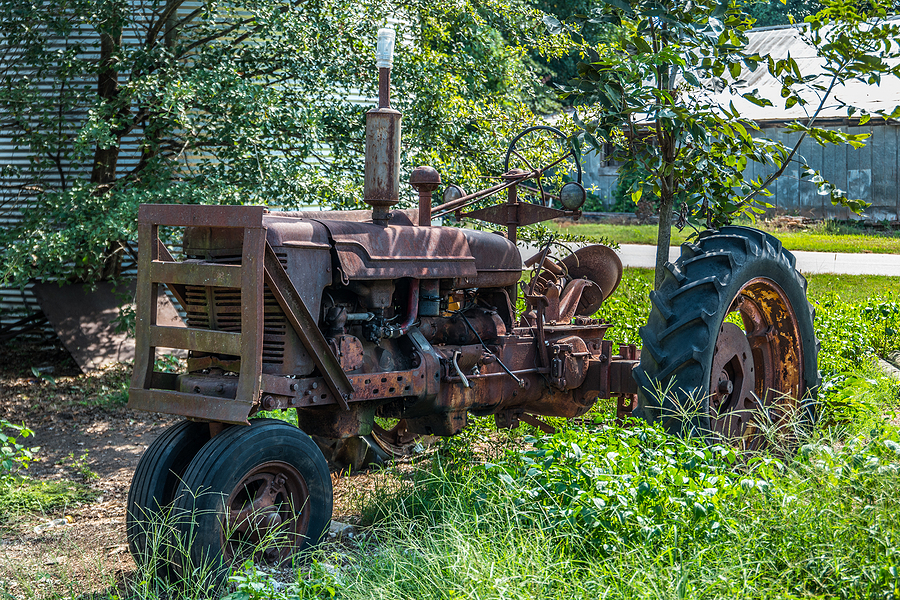
What Farming Equipment Can Be Recycled?
Agricultural equipment contains a surprising variety of recyclable materials. From the heavy frames of tractors and combines to the tires, plastics, and other parts that make them run, much of what sits in your barn or back field can be given a second life. Knowing what each machine is made of is the first step toward recycling it responsibly.
Metal Components
Tractors, combines, and other heavy machinery are built with steel, aluminum, and iron. These metals hold consistent value at scrap yards and can be melted down and reused in new products.
Rubber Tires
Tires from tractors, trailers, and other farm vehicles can often be recycled, though not every recycler accepts them. Check with your local facility before hauling in a trailer full of worn tires.
Plastic and Composite Materials
Newer equipment increasingly incorporates plastic panels, composite housings, and polymer components. Many of these materials can be separated and processed at specialized recycling facilities.
Engine Parts and Hydraulic Components
Engines, hydraulic cylinders, and other mechanical parts often contain recoverable metal and, in some cases, usable components that can be resold or repurposed.
Why Recycle Scrap Farming Equipment?
There are several practical reasons to recycle rather than let old equipment sit and deteriorate.
- Environmental benefits. Recycling metal and other materials reduces landfill waste and conserves the natural resources that would otherwise go toward producing new materials from scratch.
- Economic value. Scrap metal has real market value. Steel, aluminum, copper, and other metals can be sold to recyclers, turning equipment you no longer need into a source of income.
- Compliance. Proper disposal helps ensure you’re meeting environmental regulations that govern fluids, batteries, and other materials commonly found in farm equipment.
- Space savings. Clearing out old, broken-down machinery frees up storage space on your property for equipment you actually use.
How to Prepare Equipment for Recycling
A little preparation goes a long way toward a smoother recycling process.
- Drain fluids safely. Oil, coolant, and hydraulic fluid should be drained and disposed of properly before recycling.
- Disassemble when possible. Breaking equipment into separate components, such as metal, rubber, and plastic, helps recyclers sort materials more efficiently.
- Remove hazardous materials. Batteries and other hazardous items need to be handled separately from standard scrap metal.
- Document the equipment. Keep notes on the equipment’s condition and materials. This information helps recyclers provide an accurate offer.
Where to Recycle Farming Equipment
Several options exist for recycling scrap farm equipment, depending on your location and needs.
- Local scrap metal recyclers accept steel, aluminum, iron, and other metals, often paying cash based on weight and material type.
- Agricultural equipment dealers sometimes offer recycling or trade-in programs when you purchase new machinery.
- Specialized farm waste facilities handle unique materials like tires or large mechanical components.
- Manufacturer take-back programs may allow you to return certain equipment directly to the manufacturer for recycling.
Frequently Asked Questions
How much can I get paid for scrap farming equipment?
Payouts depend on the type and weight of the metal, current market prices, and the equipment’s overall condition. Prices fluctuate, so it’s best to request a quote directly from a recycler to get an accurate estimate for your specific equipment.
Are there regulations about recycling farm equipment?
Yes. Local, state, and EPA regulations govern how fluids, batteries, and other hazardous materials should be handled during disposal. Requirements vary by location, so it’s a good idea to check with your local environmental agency or a licensed recycler to confirm compliance.
What if my equipment contains hazardous materials?
Hazardous materials, such as battery acid, fuel, or coolant, should be removed and disposed of separately from standard scrap metal. A licensed recycler can often guide you through this process or point you toward the right disposal resources in your area.
Turn Scrap Into Savings
Recycling scrap farming equipment benefits your land, your wallet, and the environment. Whether you’re clearing out an old tractor or disposing of worn-out machinery parts, proper recycling keeps materials out of landfills and puts value back in your hands.
If you’re in Central Indiana, Zore’s Recycling in Indianapolis has served farmers and businesses for over 95 years. Our team uses certified scales and analyzers to provide accurate, fair offers on your scrap metal, with cash paid on the spot. Contact us today to request a free quote on your scrap farming equipment.
Related Posts:
Boost Your Jobsite ROI with Construction Scrap Metal Recycling
A Guide to Construction Scrap Recycling for Builders and Demolition Pros
How to Recycle Farming Scrap