
Scrap metal recycling turns old wire, pipes, and fixtures into real cash, but not every metal pays the same. Knowing the difference between copper, aluminum, and brass can mean the difference between a disappointing payout and a worthwhile trip to the scrap yard. Each metal carries its own market value, driven by purity, demand, and how easily it can be reused.
This guide breaks down what each metal is worth, why prices differ so dramatically, and how to prepare your scrap for the best possible return.
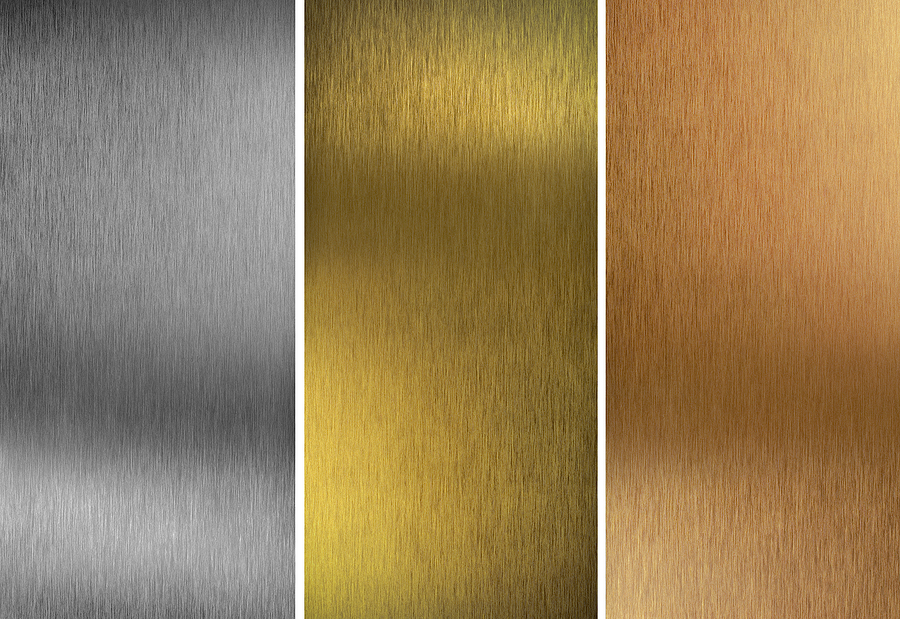
Current Scrap Metal Prices by Type
Scrap prices change daily and vary by yard, region, and grade, so always call your local recycler for current rates. That said, recent postings give a useful snapshot of how these three metals compare.
| Metal | Example Grade | Recent Price/lb |
|---|---|---|
| Copper | #1 Bare Bright Wire | $5.70 |
| Copper | #2 Tubing/Bus Bar | $5.25 |
| Brass | Clean Plumbing Brass | $3.30 |
| Brass | Dirty Faucets | $0.85 |
| Aluminum | 6063 Bare/Clean Wire | $1.15 |
| Aluminum | Dirty Aluminum | $0.05 |
Prices from Rockaway Recycling, posted Oct 23, 2026; figures are examples only. Contact Zore’s Recycling for current Indianapolis rates.
Copper consistently commands the highest price, often five to nine times more than aluminum per pound, while brass lands comfortably in the middle.
Why Copper Commands Premium Prices
Copper’s value comes down to performance. Its exceptional electrical and thermal conductivity makes it essential for wiring, plumbing, electronics, and the motors powering EVs and renewable energy systems.
Supply constraints add to copper’s premium. Mining new copper is resource-intensive, so recycled copper fills a critical gap in global demand. Clean, bare copper wire—free of insulation or coating—fetches the highest grades, while mixed or insulated wire sells for noticeably less among copper recyclers.
Aluminum: Lightweight but Lower Value
Aluminum is abundant and easy to recycle, which keeps its per-pound value modest compared to copper. High recycling rates mean the supply chain is already well-stocked, softening prices.
Still, aluminum recycling delivers meaningful environmental impact. Producing recycled aluminum uses roughly 95% less energy than refining it from raw ore. Common sources include soda cans, siding, gutters, and window frames—all easy to collect in bulk, even if the payout per pound is smaller.
Brass: The Middle Ground
Brass is a copper-zinc alloy, which explains why it holds more value than aluminum but less than pure copper. Its copper content is the main driver of price, so cleaner, less contaminated brass earns a better rate.
Brass shows up frequently in plumbing fittings, faucets, valves, and fixtures, as well as musical instruments and ammunition casings. It’s also easier to identify than other metals: brass is non-magnetic, has a distinct yellow-gold color, and doesn’t rust.
Key Factors That Affect Scrap Metal Value
How Does Market Demand Influence Scrap Prices?
Global commodity markets shift daily based on industrial demand, construction activity, and manufacturing output. These swings directly affect what scrap yards can pay.
Why Does Purity Matter So Much?
Clean, unmixed metal always sells for more. Dirty brass faucets, for example, might fetch under a dollar per pound, while clean brass can bring over three dollars. Removing insulation, plastic, and attached steel before selling pays off.
Does Preparation Really Make a Difference?
Yes. Sorting metals by type, keeping them dry, and avoiding mixed grades all help you get the most accurate—and highest—quote at the scale.
Where to Sell Your Scrap Metal
Local recycling facilities set their own pricing based on current market conditions, so it pays to call ahead and compare. Preparing your metal properly before you arrive—sorted, clean, and free of contaminants—helps ensure you get paid fairly for exactly what you’re bringing in.
If you’re in central Indiana, Zore’s Recycling in Indianapolis has been serving Hoosiers since 1927. The team has the resources and capital to offer strong payments, paid on the spot, for copper, brass, aluminum, and more. Bring a valid photo ID, as Indiana requires it for scrap metal sales.
Frequently Asked Questions
Which is worth more per pound, copper or brass?
Copper is worth more. Its high conductivity and strong industrial demand push prices well above brass, though clean brass still holds solid value thanks to its copper content.
What’s the most valuable type of copper scrap?
Bare bright copper wire—clean, uncoated, and free of insulation—typically commands the highest price among copper grades.
How can I tell copper, brass, and aluminum apart?
Copper is reddish-brown and non-magnetic. Brass is yellow-gold and also non-magnetic. Aluminum is lightweight, silvery, and won’t attract a magnet either, but it’s noticeably lighter than the other two.
Do I need to clean scrap before selling it?
Yes. Removing insulation, plastic, and attached steel increases your payout, since contaminated metal is graded—and paid—lower.
Does Zore’s Recycling pay on the spot?
Yes. Zore’s Recycling pays immediately for qualifying scrap metal brought to their Indianapolis location.
Turn Your Scrap Into Cash Today
Copper, aluminum, and brass each bring something different to the scrap yard—copper for premium value, aluminum for volume and sustainability, and brass as a dependable middle option. Sorting and cleaning your metal before you sell it is the simplest way to maximize what you take home.
Ready to cash in your scrap? Visit Zore’s Recycling in Indianapolis for competitive, on-the-spot payment on copper, aluminum, brass, and more.
Related Posts:
Guide to Copper Recycling: Grades and Scrap Values
Recycling Aluminum: Why It Matters and How to Get Started
Is Brass Metal the Same as Bronze?