
Many cast iron items can be recycled, including old cookware, pipes, machinery parts, automotive components, and even decorative fixtures. Cast iron is legendary for its durability. Whether it is a vintage skillet passed down through three generations or the heavy piping running beneath an old farmhouse, this material is built to last. However, even the toughest metals eventually reach the end of their lifespan. A skillet might crack, a pipe might corrode, or an old radiator might simply be replaced during a renovation.
When that happens, you are left with a heavy, cumbersome object and a significant question: what do you do with it?
Because of its weight and density, cast iron cannot simply be tossed into your standard curbside recycling bin. It requires a different approach. Fortunately, cast iron is one of the most recyclable materials on the planet. Understanding how to dispose of it properly not only clears clutter from your home but also contributes to a vital economic and environmental cycle.
Identifying Common Cast Iron Items
Before you head to a recycling facility, it is helpful to identify exactly what you have. Cast iron is an alloy of iron and carbon, known for being hard and brittle. While most people immediately think of cookware, this metal is found in various corners of the home and garage.
Kitchen Cookware
This is the most recognizable form of cast iron. While these pans are famous for longevity, they can crack if dropped or subjected to extreme thermal shock.
- Skillets and Frying Pans: The classic heavy black pans found in almost every kitchen.
- Dutch Ovens: Large, heavy pots with lids, often used for baking or stews.
- Griddles: Flat cooking surfaces often found on stovetops.
- Cornbread Molds: Specialty bakeware shaped like corn cobs or other designs.
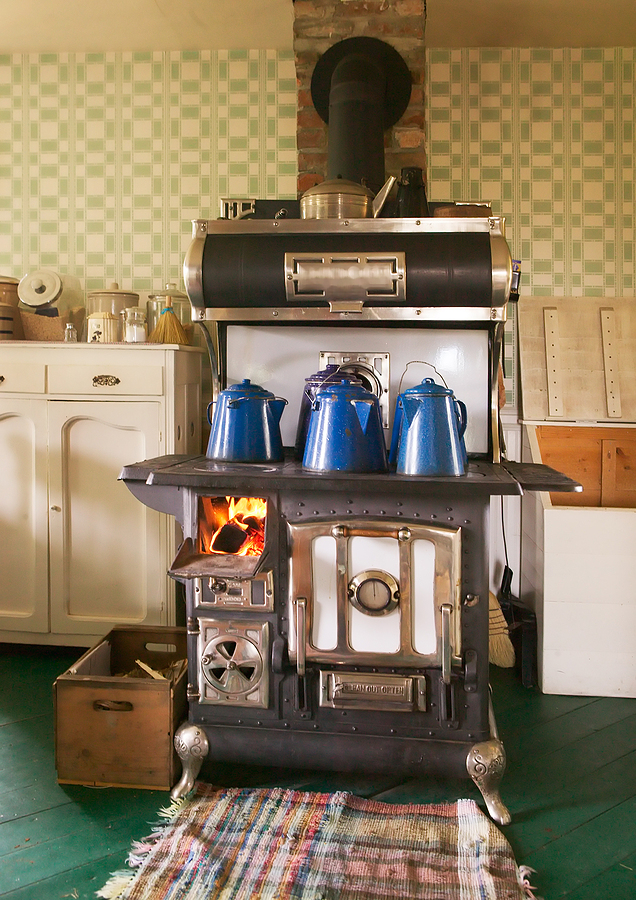
- Antique Stoves: As pictured above!
Home Fixtures and Plumbing
If you live in an older home or are planning a renovation, you are likely to encounter substantial amounts of cast iron.
- Radiators: Old-fashioned steam or hot water radiators are almost exclusively made of cast iron. They are incredibly heavy but hold significant scrap value.
- Bathtubs: The classic “clawfoot” tub is a cast iron shell coated in porcelain. These can weigh several hundred pounds.
- Sinks: Like bathtubs, older utility and farmhouse sinks are often cast iron under a layer of enamel.
- Soil Pipes: In many older buildings, the main drain pipes are made of thick cast iron.
Automotive and Machinery
Cast iron is a favorite in the automotive industry because it handles high heat and friction exceptionally well.
- Engine Blocks: The heavy casing that holds the pistons and cylinders.
- Brake Rotors and Drums: These disk-shaped components wear down over time and are a very common scrap item.
- Transmission Cases: The housing for the gear system in many older or heavy-duty vehicles.
Outdoor and Landscaping
The material’s resistance to rust (when painted or treated) makes it popular for outdoor use.
- Patio Furniture: Tables and chairs, particularly those with intricate, heavy bases.
- Fire Pits: Heavy-duty bowls for outdoor fires.
- Fencing and Railing: Ornamental ironwork around gardens or porches.
Get a Free Offer for Your Scrap Iron in Indianapolis ✨
How to Prepare Cast Iron for Recycling
Taking scrap metal to a yard is different from putting a plastic bottle in a blue bin. A little preparation ensures the process goes smoothly and helps you get the best price if the facility offers payment.
The Magnet Test
First, verify that your item is indeed iron. Iron is ferrous, meaning it is magnetic. Place a standard refrigerator magnet on the item. If it sticks firmly, you have a ferrous metal, which confirms it is likely iron or steel. If the magnet slides off, you might be dealing with aluminum or another non-ferrous metal, which is sorted differently.
Remove Non-Metal Attachments
Scrap yards look for “clean” metal. While they accept items with some contamination, you will generally receive a better reception—and sometimes a better price—if you remove non-metal parts.
- Cookware: Remove any wooden handles or glass lids.
- Furniture: Strip off cushions, plastic caps, or wooden slats.
- Bathtubs/Sinks: It is usually acceptable to leave the porcelain enamel coating on, but remove the brass or chrome faucets and drain hardware. Keep these separate, as brass and copper are valuable commodities on their own.
Safety First
The most important preparation step is planning for safety. Cast iron is deceptively heavy. A small piece of pipe can weigh much more than it looks. When moving items like radiators or bathtubs, always use a dolly, wear steel-toed boots if possible, and enlist help. Do not risk a back injury for the sake of recycling.
The Environmental and Economic Impact
Recycling cast iron is about more than just cleaning out your garage; it is a responsible choice for the planet.
From an environmental perspective, recycling scrap steel and iron saves roughly 75% of the energy that would be used to create new metal from virgin iron ore (EPA, 2023). Mining ore is an energy-intensive, disruptive process. By melting down existing scrap, we significantly reduce carbon emissions and preserve natural resources. Furthermore, unlike plastic which degrades in quality each time it is recycled, metal can be recycled indefinitely without losing its structural integrity.
Economically, the scrap metal industry supports thousands of jobs, from the local collectors to the workers at the foundries. When you bring your iron to a local Indianapolis scrap yard, you are feeding materials back into the manufacturing supply chain, helping to keep costs down for new construction and goods.
Locating a Scrap Metal Recycling Center
Finding the right place to take your cast iron is straightforward if you know where to look. Municipal recycling centers (the ones that take cardboard and bottles) often do not have the equipment to handle heavy scrap metal. You need a dedicated scrap metal yard, like Zore’s Recycling in Indianapolis.
If you aren’t based in Central Indiana, you can start by searching online for “scrap metal recycling” or “ferrous metal recycling” in your area. Look for facilities that mention buying or accepting iron and steel.
Before you load up your vehicle, give them a call. Ask the following questions:
- Do you accept cast iron? (Most do, but it is worth confirming).
- Is there a minimum weight requirement? Some industrial yards only accept large loads, while others welcome the public.
- Do you pay for scrap iron? Prices fluctuate based on the global market. While you won’t get rich recycling a single frying pan, a load of old radiators can yield a nice payout.
- What are your drop-off procedures? Ask where to drive and if you need to weigh your vehicle first.
Taking the Next Step
Cast iron is too valuable and durable to end up burying in a landfill. Whether you are clearing out an estate, upgrading your kitchen, or finishing a home renovation, taking the time to recycle your iron items is a small effort with a lasting positive impact. You protect the environment, support the local economy, and ensure that the material gets a second life in a new form.
If you are located in the Indianapolis area and have old machinery, appliances, or heavy iron fixtures taking up space, you don’t have to handle the heavy lifting alone.
Ready to clear the clutter and recycle responsibly? Contact our team at Zore’s Recycling in Indianapolis today for reliable, professional scrap metal services for cast iron and more. We pay cash on the spot for all recyclable metal scrap.
Related Post: Magnetic Green: How Iron Recycling Powers Environmental Change