
Upgrading to a new computer or television feels exciting, but it often leaves you with an outdated device taking up space in your home. Getting rid of old electronics can feel confusing, especially when you know they do not belong in a standard garbage bin. Simply throwing them in the trash is harmful to the environment and illegal in the state of Indiana.
Indiana’s Electronic Waste Law, officially known as IC 13-20.5, fundamentally changed how residents, schools, and small businesses must dispose of their outdated technology. Enacted to protect local ecosystems, the law established the Indiana E-Cycle program to ensure hazardous materials found in everyday devices are handled responsibly.
Understanding these regulations is crucial for maintaining healthy communities and protecting our natural resources. This guide will walk you through the specifics of the Indiana e-waste landfill ban, help you identify which items require special handling, and show you exactly how to recycle your electronics safely and legally.
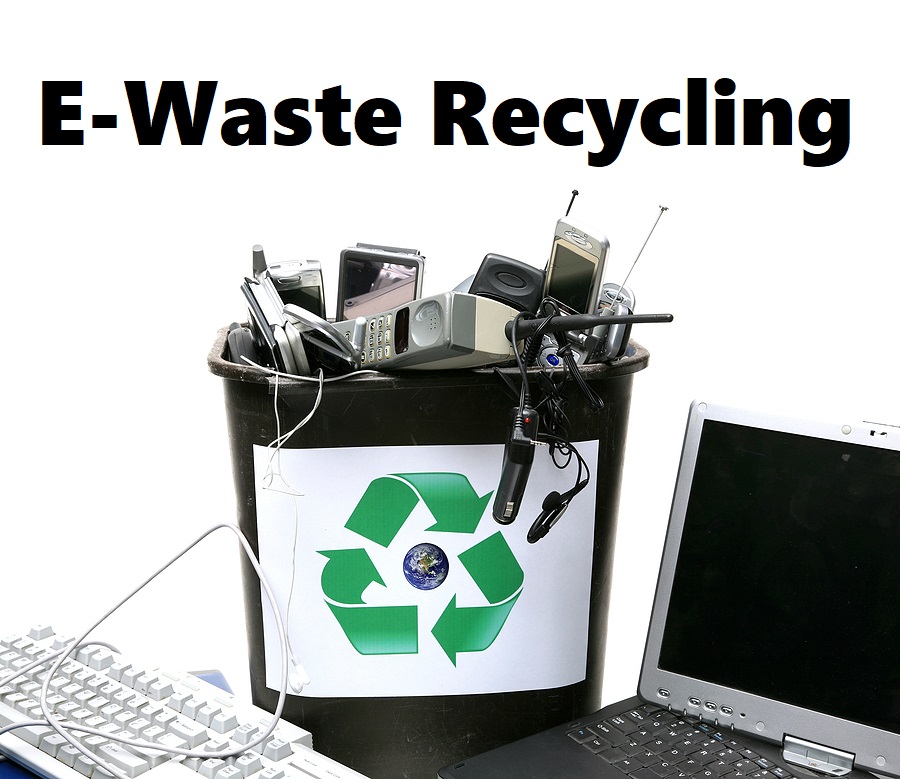
Understanding Indiana’s Electronic Waste Law (IC 13-20.5)
Effective July 1, 2009, the Indiana General Assembly created a comprehensive framework to keep dangerous electronic components out of local landfills. The resulting Indiana E-Cycle program places a shared responsibility on electronics manufacturers, retailers, and consumers to manage end-of-life technology properly.
Under this legislation, manufacturers of video display devices (VDDs) are required to collect and recycle a specific percentage of the devices they sell to Indiana households. Specifically, they must recycle an amount equal to at least 60% by weight of the VDDs they produce and sell within the state. To meet these obligations, manufacturers partner with authorized collectors and recyclers registered with the Indiana Department of Environmental Management (IDEM).
For the average resident or small business owner, the most impactful part of this law is the disposal prohibition. Covered entities—which include households, public schools, charter schools, and small businesses—are strictly banned from disposing of certain electronics in municipal waste intended for landfills or incineration.
Why E-Waste Recycling Matters for Hoosiers
Discarded electronics contain a complex mix of materials. While many of these materials are valuable and highly recyclable, others are incredibly toxic. Devices like older computer monitors and televisions contain heavy metals such as lead, mercury, and cadmium.
When you throw e-waste out with the regular trash, these items inevitably end up in a landfill or an incinerator. Over time, toxic chemicals can leach into the soil and contaminate local groundwater. This contamination poses a serious threat to local wildlife and public health.
By participating in the Indiana E-Cycle program, you actively prevent these hazardous substances from polluting the environment. Furthermore, recycling electronics allows manufacturers to recover valuable resources like gold, copper, and glass. Reusing these materials reduces the need to mine for new raw resources, conserving energy and minimizing greenhouse gas emissions.
Prohibited Items: What You Can’t Throw in the Trash
The Indiana Department of Environmental Management maintains a specific list of items that are banned from landfills. If you have any of the following devices, you must take them to a registered e-waste collector:
- Televisions and computer monitors
- Computers (including desktops, laptops, and tablets)
- E-readers
- Fax machines
- Computer peripherals (keyboards, mice, external hard drives)
- Printers and all-in-one printer/scanner/copiers
- Projectors
- DVD players and gaming systems capable of playing DVDs
- Digital photo frames and digital media players
- MP3 players and iPods
- Camcorders and digital cameras
- DVR and TiVo devices (including cable and satellite boxes)
- Portable GPS navigation systems
How to Identify Covered Electronic Devices
When navigating the state’s recycling programs, you might encounter terms like Covered Electronic Devices (CEDs) or Eligible Electronic Devices (EEDs). These terms generally refer to the products regulated under the Indiana E-Cycle program.
A good rule of thumb is to look at the device’s function. If it features a video display screen larger than four inches, connects to a computer to provide input or output, or plays digital media, it likely falls under the e-waste disposal ban. Appliances like microwaves, toasters, and refrigerators are not regulated under this specific electronic waste law, though they often have their own separate disposal guidelines.
Step-by-Step Guide: Recycling E-Waste the Right Way in Indiana
Properly disposing of your electronics takes a small amount of planning, but the process is highly straightforward. Follow these steps to ensure your data is secure and your devices are recycled compliantly.
Step 1: Secure Your Personal Data
Before handing over your old smartphone or laptop, you must protect your personal information. Back up any important files, photos, or documents to a cloud service or an external hard drive. Once your data is safe, perform a factory reset to wipe the device completely clean.
Step 2: Sort Your Electronics
Gather all the devices you plan to discard. Review the list of prohibited items to confirm which ones require specialized e-waste recycling. Keep cords, cables, and peripheral devices like mice and keyboards bundled with their primary units to make the drop-off process easier.
Step 3: Find a Registered Collector
Because of the strict environmental regulations governing e-waste, you cannot take these items to just any scrap yard. You must use a collector registered with the Indiana E-Cycle program. IDEM provides a comprehensive, county-by-county list of authorized drop-off locations and recycling centers on their official website.
Finding Registered E-Waste Collectors in Indianapolis
If you live in Marion County, you have access to several authorized recycling centers. Indianapolis maintains specific electronics recycling sites designed to help residents comply with the law. When searching for registered e-waste recyclers in Indianapolis, always verify that the facility is currently registered with IDEM.
Many local businesses specialize in ethical, 100% secure destruction of memory-related items alongside standard hardware recycling. Utilizing a professional service like Zore’s Recycling guarantees that your old technology is dismantled safely and that hazardous materials are kept out of Indiana’s soil and water.
FAQs About Indiana E-Waste Regulations
Who is affected by the Indiana landfill ban on electronics?
The disposal ban applies to households, small businesses (defined as having fewer than 100 employees and gross receipts under $10,000,000), public schools, and charter schools across Indiana.
Are home appliances considered e-waste under this law?
No. Standard household appliances such as blenders, coffee makers, washers, and dryers are not covered under the Indiana Electronic Waste Law (IC 13-20.5). However, you should still check with your local solid waste management district for proper appliance disposal methods.
Do I have to pay to recycle my electronics?
It depends on the collector and the item. Many registered collectors accept computers and peripherals for free. However, items containing hazardous materials like CRT (cathode-ray tube) televisions or older monitors often require a small disposal fee to cover the safe extraction of toxic heavy metals.
Protecting Indiana’s Environment for the Future
Recycling your electronics is a vital step in keeping our communities safe and clean. An old computer might seem harmless sitting on your desk, but improperly discarding it creates lasting environmental damage. By understanding Indiana’s Electronic Waste Law and utilizing the Indiana E-Cycle program, you take an active role in preventing toxic pollution and promoting sustainable resource management.
Ready to clear out your outdated technology safely and legally? Contact our professional e-waste recycling services in Indianapolis, Indiana, today. We provide secure, compliant, and environmentally responsible disposal for all your electronic devices, ensuring your data is destroyed and your e-waste is recycled the right way.
Related Post: Digitally Declutter: A Greener Tomorrow Through Electronic Waste Recycling