
What’s the Highest Paying Scrap Metal Right Now? (2026 Guide)

Scrap metal sitting in your garage, driveway, or storage unit could be worth more than you think—especially right now. Metal prices have surged throughout 2026, with the World Bank reporting a 13% rise in the global metal and mineral price index in just the first quarter of the year alone. For anyone with old copper wiring, aluminum rims, or a junk car taking up space, the timing couldn’t be better to cash in.

This guide breaks down the highest paying scrap metals in today’s market, explains what drives those prices, and shows you how to maximize your earnings before you haul anything to the yard.
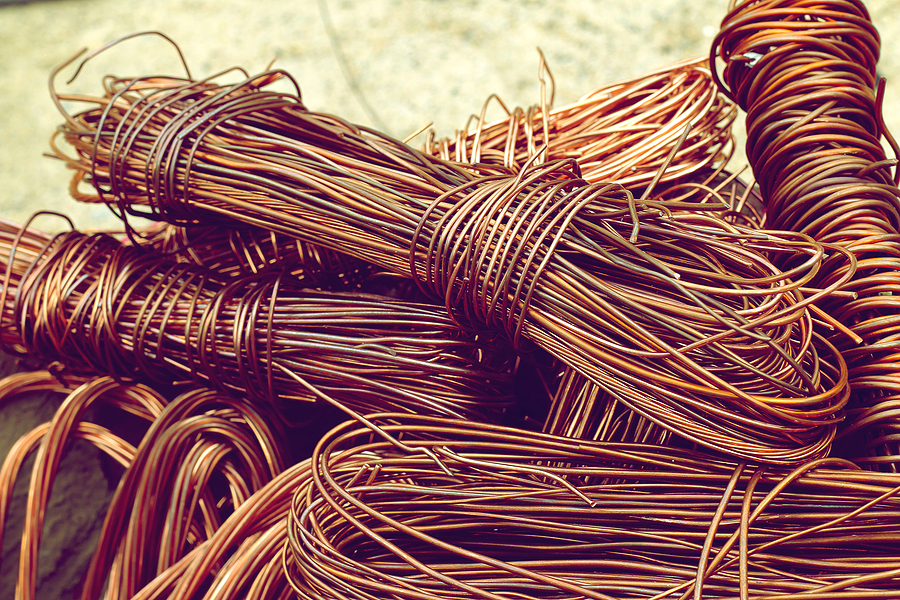
Highest Paying Scrap Metal

Current High-Paying Scrap Metals and Their Prices

Not all scrap metal is created equal. Prices vary significantly by metal type, grade, and condition. Here’s what the market looks like right now, based on data from July 2026.

Copper: The Top Earner

Copper is consistently the highest-paying scrap metal available to everyday sellers. As of July 23, 2026, #1 Bare Bright Copper Wire is fetching $4.59–$5.45 per pound at scrap yards across the US, with the commodity spot price sitting at $6.47/lb (RecycleInMe, July 2026). Earlier this month, copper prices jumped another $0.25 per pound, and the World Bank has flagged “strong gains” in copper pricing for the full year.

The reason copper commands such high prices is straightforward: it’s essential for electrical wiring, plumbing, and electronics manufacturing, and global supply remains tight. If you have copper in any form—pipes, wire, tubing—hold onto it carefully.

Brass and Bronze: Solid Mid-Tier Returns

Brass and bronze sit comfortably in the middle of the scrap metal pricing range and are worth far more than most people expect. Yellow brass is currently priced at around $2.08/lb on average, while brass plumbing and pipe can fetch $3.10/lb at higher-paying yards. Bronze comes in even higher, at approximately $4.10/lb (Rockaway Recycling, July 2026).

Old faucets, door hardware, valves, and plumbing fixtures are common sources of brass. Because brass contains copper, its price tends to move in the same direction as copper markets.

Aluminum: High Volume, Reliable Returns

Aluminum won’t make you rich per pound, but it’s everywhere—and prices have moved meaningfully upward in 2026. The World Bank projects aluminum prices will rise approximately 22% this year due to supply disruptions tied to Middle East conflicts affecting global supply chains.

Current scrap yard prices range from $0.58/lb for cast aluminum up to $1.20/lb for clean aluminum wire, with aluminum rims sitting around $0.86–$0.90/lb (Rockaway Recycling, July 2026). If you’re hauling aluminum in volume—think siding, gutters, rims, or wire—it adds up fast.

Stainless Steel: Grade Matters

Stainless steel prices depend heavily on the grade. 316 stainless steel (non-magnetic) is worth around $0.75/lb, while 304 stainless steel fetches closer to $0.38/lb (Rockaway Recycling, July 2026). Kitchen equipment, industrial piping, and medical equipment are common sources of higher-grade stainless.

A simple magnet test can help identify your grade: 316 stainless is generally non-magnetic and therefore more valuable.

Precious Metals in Electronics and Catalytic Converters

Some of the most valuable scrap per pound isn’t found in pipes or wiring—it’s found in old electronics and car parts.

Catalytic converters contain platinum group metals (platinum, palladium, and rhodium), which is why they command such high prices. Large foreign cats are currently fetching $90–$456 each, while DPF catalytic converters range from $30 up to $806 each depending on type and condition (Rockaway Recycling, July 2026). iScrap App reported that catalytic converters hit three-month highs in the week of July 22, 2026.

Computer scrap is another often-overlooked goldmine. Memory chips are currently priced at $15.00/lb, CPU processor chips at $4.00/lb, and clean green motherboards at $1.75/lb (Rockaway Recycling, July 2026). Old servers, laptops, and computer towers contain recoverable precious metals that most people throw away.

What Drives Scrap Metal Prices?

Global Supply and Demand

Scrap metal prices are tied directly to global industrial demand. When construction, manufacturing, and electronics production are booming, metal demand rises—and so do prices. Middle East supply disruptions in 2026 have been a key driver of aluminum and copper price increases, according to the World Bank’s May 2026 forecast.

Material Quality and Purity

A yard will always pay more for clean, sorted material. Mixed or contaminated scrap gets downgraded immediately. Bare bright copper wire earns nearly double what insulated copper wire does, purely because of purity.

Local Market Conditions

Prices vary from yard to yard and city to city. The figures in this blog represent market averages and individual yard rates—always check with your local recycler for their specific pricing before you haul.

Timing Your Sale

Scrap metal prices fluctuate weekly, sometimes daily. Prices in 2026 have trended upward overall, but short-term dips happen. If you’re not in a rush, tracking prices through tools like the iScrap App can help you time your sales strategically.

How to Maximize Your Scrap Metal Earnings

Sort and Separate Before You Go

Mixed loads get priced at the lowest common denominator. Separate your copper from your aluminum, your stainless from your steel, and your clean wire from your insulated wire. An hour of sorting can meaningfully increase your payout.

Remove Non-Metal Components

Strip insulation from copper wires. Remove plastic fittings from brass valves. Pull rubber seals off aluminum parts. The more “pure” your material, the higher the price per pound you’ll receive.

Bring Volume When Possible

Many scrap yards offer better rates on higher volumes of material. If you’re collecting over a period of time, storing your metals and selling in bulk typically results in a better price than multiple small trips.

Find a Reputable Local Yard

Not all scrap yards pay the same rates. Call ahead, compare prices, and build a relationship with a yard that pays fairly and consistently. Hoosiers in Central Indiana trust the scrap metal buyers at Zore’s Recycling, located at 1300 N. Mickley Avenue in Indianapolis.

Common High-Value Items to Look For

Copper wiring and pipes from home renovations or appliances

  • Aluminum rims from old vehicles
  • Brass plumbing fixtures like valves, faucets, and fittings
  • Old electronics including circuit boards, CPUs, and memory chips
  • Catalytic converters from end-of-life vehicles
  • Stainless steel kitchen or industrial equipment
  • HVAC components like copper coils and aluminum fins

Frequently Asked Questions

What scrap metal is worth the most right now?

Copper is the highest-paying scrap metal available to most everyday sellers, currently fetching between $4.59 and $5.45 per pound for bare bright copper wire. Catalytic converters can exceed those rates on a per-unit basis, depending on the type and platinum group metal content.

Do I need to prepare my scrap metal before selling?

Yes. Sorting by metal type, removing non-metal attachments, and stripping insulation from wires will increase your payout. Yards consistently pay more for clean, uncontaminated material.

How often do scrap metal prices change?

Prices can change daily based on commodity market movements. Most scrap yards update their posted rates weekly. It’s always worth calling ahead or checking the yard’s website before making a trip.

Can I scrap an old junk car?

Absolutely. Junk cars contain steel, aluminum, copper wiring, and catalytic converters—all of which have real scrap value. Some recyclers even offer free towing pickup, so you don’t have to worry about getting the vehicle there yourself.

Ready to Turn Your Scrap Into Cash?

Scrap metal prices are at multi-year highs across the board in 2026, and the window to take advantage of elevated copper, aluminum, and brass rates is open right now. Sort your metals, strip what you can, and take them to a reputable local yard.

If you’re in Indianapolis, Indiana, bring your scrap metal to Zore’s Recycling. We pay cash on the spot for all types of scrap metal—copper, aluminum, brass, stainless steel, electronics, and more. Have a junk car or truck? Get free towing! Stop leaving money on the table and contact us today.

Call Now

Related Posts:

Understanding the Value of Different Types of Scrap Metal
Valuable Metals You Can Recycle for Cash
A Guide to Ferrous Metal Recycling
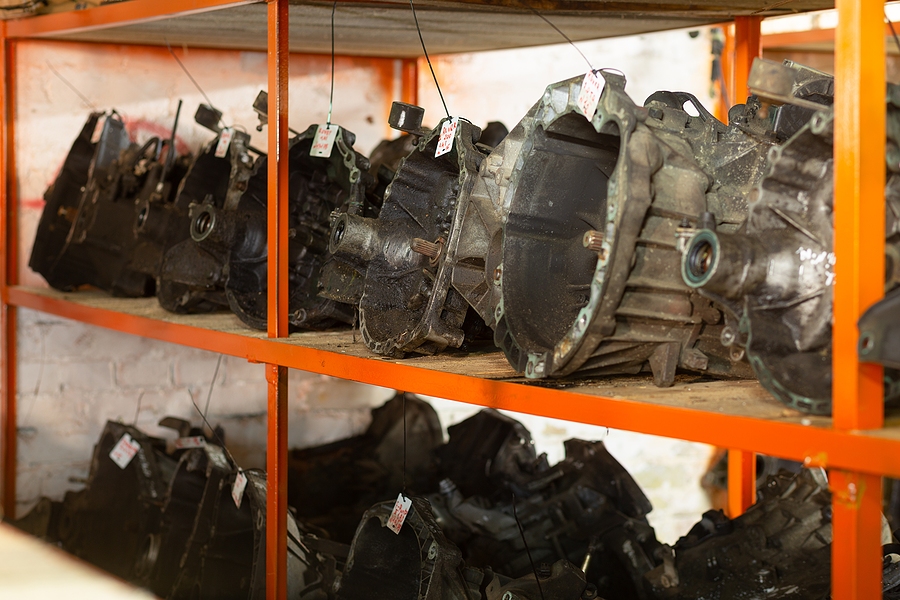
Scrap Auto Parts in the U.S.: What’s Driving Demand Right Now?

The U.S. scrap auto parts market is bigger than most people realize—and it’s growing fast. According to HTF Market Intelligence, the global recycled auto parts market was worth $17.4 billion in 2024 and is forecast to reach nearly $30 billion by 2033, growing at roughly 8% per year. North America leads all regions, supported by established recycling infrastructure and broad insurance industry acceptance of recycled components.

Whether you’re a car owner looking to save money on repairs, a mechanic sourcing affordable parts, or someone with an old vehicle taking up driveway space, knowing what drives demand for scrap auto parts can help you make smarter decisions. This guide breaks down exactly who’s buying used parts, which components are most in demand, and what the industry looks like today.

Demand for Scrap Auto Parts

Why Americans Are Holding Onto Their Cars Longer

The foundation of scrap auto parts demand starts with vehicle age. According to CCC Intelligent Solutions, the average age of U.S. vehicles on the road rose to 12.7 years in 2024 and is expected to hit 13 years by 2026—up from just 11.4 years a decade ago. Americans aren’t just driving older cars; they’re choosing to keep them.

Why? A combination of factors is at play:

  • High new car prices: The average transaction price of new vehicles has climbed by roughly $11,000 over the past five years.
  • Rising financing costs: Higher interest rates have made car loans less attractive, pushing buyers to maintain existing vehicles instead.
  • Supply chain disruptions: Production slowdowns caused many consumers to delay purchases and extend the life of their current cars.

The share of repairable vehicles seven years or older has increased by 9 percentage points since 2019 alone. Older vehicles need more replacement parts—and used parts are often the most affordable option.

Economic Benefits for Consumers and Businesses

The financial case for scrap auto parts is compelling. Used car parts typically cost anywhere from 20% to 80% less than their new equivalents. Major components like engines and transmissions—which can run $200 to $1,000 or more at a salvage yard—represent enormous savings compared to buying new. For independent repair shops, sourcing recycled parts keeps labor costs competitive and margins intact. For everyday car owners, it can be the difference between a repair that’s feasible and one that isn’t.

Key Players in the Scrap Auto Parts Industry

Auto Salvage Yards and Their Role

Salvage yards—also called junkyards or auto recyclers—are the backbone of the used parts industry. The U.S. has more than 9,000 salvage yard locations nationwide, collectively employing over 140,000 workers and generating roughly $25 billion per year, making automotive recycling the 16th-largest industry in the country.

These facilities dismantle end-of-life vehicles (ELVs), catalog reusable parts, safely drain fluids, and sell components directly to consumers and repair shops. About 12 million cars are recycled in the U.S. every year—roughly 26 vehicles every minute—with 95% of all ELVs going through some form of the recycling process (Automotive Recyclers Association, 2023).

Online Marketplaces for Used Parts

The internet has dramatically expanded access to scrap auto parts. Platforms like eBay Motors, LKQ Corporation, and specialized part-finder tools allow buyers across the country to source specific components from yards they’d never physically visit.

eBay Motors data shows strong demand trends: cruise control components are up 48%, transmission rebuild kits up 26%, and brake component kits up 19%. Online availability has professionalized the industry, improved pricing transparency, and made it easier to find parts for older or less common vehicles.

Popular Scrap Auto Parts in High Demand

Engines and Transmissions: The Core Components

Engines and transmissions consistently rank among the most sought-after scrap parts. They’re expensive to buy new, and a well-maintained used unit can deliver thousands of additional miles of service life. The HTF Market Intelligence report specifically identifies engines, transmissions, and electrical components as the most commonly recycled items in the automotive aftermarket.

Body Panels and Exterior Components

Hoods, fenders, bumpers, and doors are in constant demand—primarily driven by collision repairs. Insurance companies have increasingly accepted recycled OEM body panels as a cost-effective alternative to new parts, which has significantly boosted demand from repair shops.

Interior Parts and Accessories

Dashboards, seats, door trim, and infotainment components are frequently pulled from ELVs, particularly for older vehicle models where replacement parts are no longer manufactured new. For enthusiasts restoring classic or discontinued models, recycled interior components are often the only viable option.

Wheels, Tires, and Suspension Systems

Wheels, tires, and suspension parts are among the most straightforward components to salvage and reuse. Tens of millions of tires are recovered from ELVs each year and repurposed for everything from vehicle reuse to mulch and playground surfaces. Alloy wheels, in particular, retain strong resale value and are frequently recirculated through the used parts market.

Environmental Impact of Recycling Auto Parts

Beyond cost savings, recycling auto parts delivers measurable environmental benefits—and the numbers are significant.

The automotive recycling industry reduces greenhouse gas emissions by up to 30 million metric tons each year by recycling metals (Steel Recycling Institute). Recycled steel reduces air pollution by 86% and water pollution by 76% compared to producing new steel from raw materials (American Iron and Steel Institute). Roughly 86% of a vehicle’s total material composition can be recycled in some form, and the U.S. and Canadian automotive recycling industries together provide over 14 million tons of steel annually—enough to manufacture approximately 13 million new vehicles (Automotive Recyclers Association).

On the fluid side, the industry collects and reuses or recycles an estimated 24 million gallons of motor oil, 8 million gallons of engine coolant, and 5 million gallons of windshield washer fluid each year (EPA). It also salvages 96% of all lead-acid batteries, keeping hazardous materials out of landfills and waterways (Battery Council International). Altogether, the industry saves an estimated 85 million barrels of oil that would otherwise be used to produce new vehicle parts (Automotive Recyclers Association).

The Automotive Recyclers Association reports that reclaiming auto parts for reuse and recycling the steel and aluminum from end-of-life vehicles reduces carbon footprint by at least 2.2 million tons of CO2 annually.

Frequently Asked Questions About Scrap Auto Parts

What scrap auto parts are worth the most money?

Catalytic converters typically command the highest value, ranging from $800 to $1,200 per unit due to their precious metal content. Engines, transmissions, and intact electronic systems also hold strong resale value.

How do I know if a used auto part is safe to use?

Reputable salvage yards test, grade, and warranty their parts before sale. Look for yards that offer at least a limited warranty and can provide a documented vehicle history for the part you’re purchasing.

Can I sell individual parts from my old car?

Yes. Salvage yards frequently purchase entire vehicles or individual components. Parts like engines, transmissions, body panels, and wheels are especially desirable. Some yards will also pay cash on the spot.

Does using recycled auto parts void my vehicle warranty?

In most cases, no. The Magnuson-Moss Warranty Act protects consumers’ rights to use aftermarket and recycled parts without voiding their manufacturer’s warranty, with some exceptions for certain OEM-specific components.

Are recycled auto parts available for newer vehicles?

Increasingly, yes. As vehicles from the mid-2010s reach end-of-life, their parts are entering the recycled market in greater volume. Online marketplaces have made it much easier to locate specific components for newer makes and models.

A Sustainable Market With Real-World Value

The demand for scrap auto parts in the U.S. is not a fringe market—it’s a well-established, multibillion-dollar industry that serves real needs for consumers, repair businesses, and the environment alike. Aging vehicles, rising repair costs, and growing environmental awareness are all pushing the market forward. Whether you’re buying, selling, or simply looking to responsibly dispose of an old vehicle, the scrap auto parts industry offers practical value at every level.

Have a car with parts worth money? Zore’s Recycling in Indianapolis pays cash on the spot for used, new, old, or broken car parts. Don’t let valuable components go to waste—contact us today and turn your unwanted parts into instant cash.

Call Now

Related Posts:

Which Car Parts are the Best for Metal Recycling?
Understanding Scrap Metal Prices and How to Maximize Your Profits
Beyond the Junkyard: Understanding the Environmental Impact of Automotive Recycling