
Replacing outdated plumbing systems is hard work, but dealing with the leftover debris doesn’t have to be. Plumbers, contractors, and DIY homeowners often finish projects with a mounting pile of discarded pipes, broken valves, and heavy fixtures. Tossing these items into a dumpster might seem like the quickest solution, but it carries a hidden cost.
Throwing away metal fills up local landfills and wastes valuable natural resources that could otherwise be repurposed. Mining new ore takes a massive toll on the environment. When you recycle existing materials, you actively reduce carbon emissions and help conserve the planet’s finite resources.
Beyond the environmental impact, you also leave money on the table when you throw away metal. Scrap yards highly value the materials found in residential and commercial plumbing systems. This guide will walk you through the types of metals to save, how to prepare them for top dollar, and what to expect when you visit a recycling center.
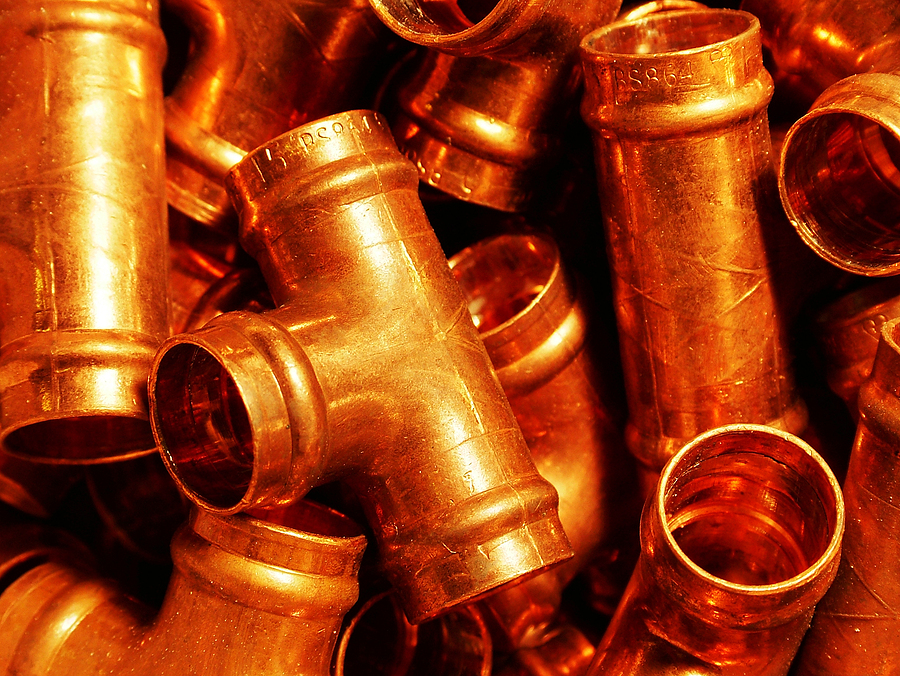
Types of Plumbing Scrap Metals You Can Recycle
Almost every metal component you pull out of a house or commercial building has value. Knowing exactly what you have is the first step toward getting the best payout.
Copper pipes, fittings, and wire
Copper is widely considered the king of plumbing scrap. Because it boasts high conductivity and resists corrosion, it is heavily used in water supply lines and electrical wiring. It is also a finite resource. Recycling copper requires about 85% less energy than extracting new copper from the earth, making it highly sought after by recycling facilities.
Brass faucets and valves
Brass is an alloy made of copper and zinc. You will frequently find it in older homes, especially in the form of heavy faucets, pipe fittings, and shut-off valves. While brass doesn’t fetch quite as high a price as pure copper, it remains one of the more profitable materials you can salvage from a bathroom or kitchen remodel.
Steel and iron fixtures
Ferrous metals like steel and iron are heavy and abundant. Common examples include old cast-iron sinks and tubs, thick steel pipes, and bulky water heaters. These materials are magnetic, which makes them easy to identify. While the price per pound is lower than nonferrous metals, the sheer weight of iron and steel scrap can quickly add up to a solid payday.
Aluminum components
You might not associate aluminum strictly with plumbing, but you will often find it around job sites. Aluminum shows up in window frames, siding, HVAC ductwork, and even the soda cans your crew leaves behind. It is lightweight, highly recyclable, and always accepted at scrap yards.
Other valuable metals
Older plumbing systems occasionally contain lead pipes. Lead is heavy and holds a steady scrap value, but you must handle it with extreme care due to its toxicity. Always wear gloves and follow proper safety guidelines when removing and transporting lead materials.
Preparing Your Plumbing Scrap for Recycling
You can maximize your payout by taking a few extra minutes to prep your materials before heading to the scrap yard. Clean and sorted metal always sells at a higher value than a mixed, dirty pile.
Sort and separate your materials
Scrap yards pay based on the lowest-value material in a mixed bin. If you throw brass fittings into a bucket of clean copper, you will lose money. Set up separate bins on your job site for copper recycling, as well as recycling bins for brass, steel, and aluminum. A simple magnet is your best tool here. If the magnet sticks, the metal is ferrous (like iron or steel). If it doesn’t stick, you have a nonferrous metal (like copper or aluminum).
Clean off non-metal attachments
Recycling centers want the metal, not the plastic, rubber, or wood attached to it. Take the time to unscrew plastic handles from brass faucets. Remove rubber gaskets from pipe fittings. Cut away sections of pipe that are heavily caked in concrete or glue.
Maximize value through proper preparation
Copper grading is very strict. “Number 1” copper is clean, unalloyed, and free of any paint, solder, or corrosion. “Number 2” copper might have some solder joints or light oxidation. Cut off the soldered joints and put them in a separate bucket. This ensures your clean copper gets the highest possible price grade.
Finding the Right Scrap Metal Recycling Center
Not all scrap yards operate the same way. Finding a facility that respects your time and offers fair pricing will make your recycling experience much smoother.
What to look for in a scrap metal yard
Look for a facility with a long-standing reputation in your community. A reputable metal recycling center will have certified scales, clearly posted procedures, and staff who are willing to answer your questions. Flexible scheduling and efficient drop-off lanes are also major benefits for busy contractors.
Pricing and payment methods
Scrap metal prices fluctuate daily based on global market demand. You can often call ahead to check current rates for copper and brass. Choose a facility that pays cash on the spot, allowing you to walk away with immediate payment for your hard work.
The process of dropping off scrap metal
When you arrive at a professional facility, the process is straightforward. You will typically drive onto a large scale to weigh your entire vehicle. After unloading your separated metals into the designated areas, your empty vehicle is weighed again. For smaller amounts of nonferrous metals like copper, you might simply walk up to a smaller scale.
The Environmental and Financial Benefits of Recycling
Making scrap recycling a regular part of your workflow offers incredible benefits for both your community and your business.
Reducing landfill waste and conserving resources
Every pound of metal you recycle is a pound that stays out of a local landfill. This directly reduces the release of toxic chemicals into the soil and lowers the carbon footprint associated with manufacturing virgin metals.
Earning extra income for your plumbing business
For independent plumbers and contracting businesses, scrap metal represents pure profit. By organizing your waste stream, you turn project debris into a reliable secondary income. This extra cash can cover fuel costs, buy new tools, or fund a team lunch at the end of a hard week.
Frequently Asked Questions (FAQ)
What types of plumbing scrap fetch the best prices?
Bare, bright copper wire and clean copper tubing offer the highest payouts. Brass fixtures and fittings are usually the next most valuable items you will encounter on a plumbing job.
Do I need to separate different metals?
Yes. If you bring in a mixed bin, the scrap yard will grade the entire container based on the cheapest metal inside. Sorting your copper, brass, and steel into separate containers guarantees you get the correct price for each material.
Can I recycle old water heaters?
Absolutely. Water heaters are primarily made of steel and are readily accepted at most recycling centers. Just be sure to drain all the water out of the tank before you transport it.
How often should I take my scrap in?
This depends entirely on your available storage space. Some contractors drop off scrap at the end of every large project, while others wait until prices peak or their storage bins are completely full.
What documentation do I need to recycle?
State laws require scrap yards to keep accurate records to prevent metal theft. In Indiana, you must present a valid, government-issued photo ID to sell scrap metal.
Start your metal recycling journey today
Recycling plumbing scrap is a smart, sustainable habit that benefits the environment and boosts your bottom line. By learning how to identify valuable materials, sort them properly, and clean them of non-metal debris, you can turn a pile of job-site trash into a highly profitable resource.
If you are ready to get paid for your hard work, Zore’s Recycling is here to help. We are Indy’s leading scrap metal recycling center, accepting all types of plumbing scrap, including copper, brass, steel, and iron. Our Indianapolis facility offers competitive rates, friendly service, and instant cash on the spot.
Related Post: Why Recycling Plumbing Scrap Matters And How You Can Do It