
When we think about sustainable living, our minds often jump to recycling bins, reusable water bottles, or composting kitchen scraps. However, one of the most impactful forms of recycling happens on a much larger scale—in the automotive industry.
Automobiles are complex machines made of steel, aluminum, glass, rubber, and various fluids. When a car reaches the end of its life, it doesn’t just disappear. Without proper intervention, it becomes a massive environmental liability. Fortunately, automotive recycling has evolved into a sophisticated industry that transforms “junk” into valuable resources.
Understanding this process helps us appreciate the circular economy and empowers us to make better decisions when it’s time to say goodbye to our own vehicles. This guide explores the massive scale of automotive waste, the intricate recycling process, and how these efforts contribute to a healthier planet.
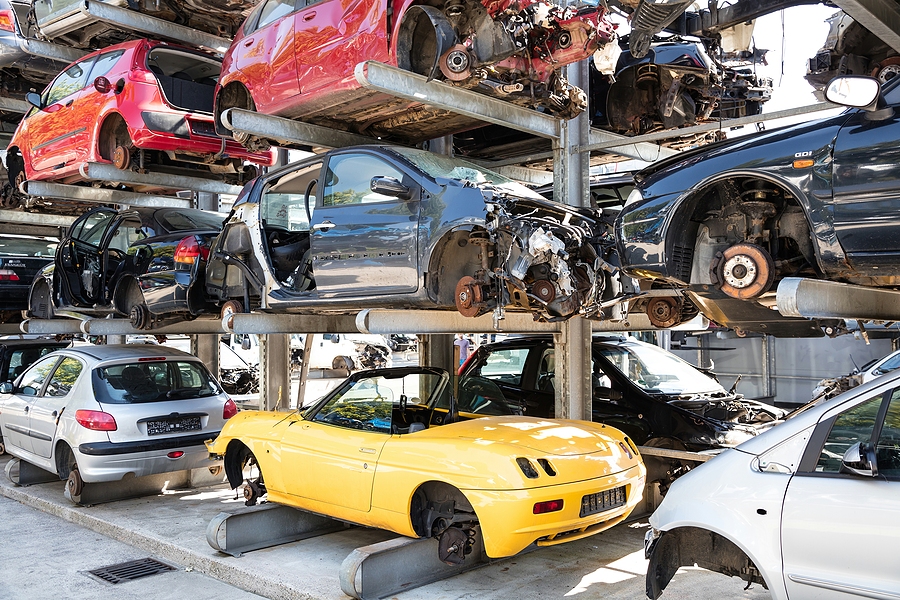
The Scale of Automotive Waste Around the World
The volume of automotive waste generated globally is staggering. In the United States alone, approximately 12 million vehicles reach the end of their life cycle every year. This massive fleet of retired cars represents both a significant waste management challenge and an incredible opportunity for resource recovery.
Historically, abandoned vehicles were a common sight in rural landscapes and urban alleyways, leaking hazardous fluids into the soil and rusting away. Today, thanks to stricter regulations and a robust recycling infrastructure, that narrative has shifted. In the U.S., automobiles have become the most recycled consumer product.
However, the job is far from simple. A single vehicle contains thousands of parts and a mix of materials that require specialized handling. From the steel frame to the complex electronics in the dashboard, every component represents potential waste if not managed correctly. The industry processes millions of tons of material annually, diverting a significant portion of this mass away from overflowing landfills.
Benefits of Car Recycling: Why It Matters
Recycling a car does far more than just clear up a garage or driveway. It delivers profound environmental and economic benefits that ripple through society.
Environmental Conservation
The most immediate benefit is the conservation of natural resources. Recycling steel requires significantly less energy than mining iron ore and refining it into new steel. In fact, the steel industry recycles more than 14 million tons of steel from end-of-life vehicles annually. This process drastically reduces greenhouse gas emissions and water pollution associated with mining and manufacturing.
Furthermore, proper recycling ensures that hazardous fluids—such as oil, coolant, and brake fluid—are safely removed and either reused or disposed of responsibly, preventing them from contaminating groundwater.
Economic Impact
Beyond the environmental scope, the auto recycling industry is a major economic driver. It supports a vast network of businesses, from local dismantling yards to large-scale shredding facilities and steel mills. By providing a steady supply of affordable recycled materials, the industry helps keep manufacturing costs down for new vehicles and other steel-dependent products.
The Automotive Recycling Process: From Driveway to New Products
Automotive recycling is a systematic, multi-step process designed to maximize recovery and minimize waste. Here is what happens after a car is handed over to a recycler:
1. Depollution
Before a car can be dismantled, it must be drained of all hazardous fluids. Technicians remove fuel, motor oil, transmission fluid, refrigerants, and windshield washer fluid. Batteries are also removed to prevent lead and acid contamination. This step is critical for environmental safety.
2. Dismantling
Next, the vehicle undergoes a “soft strip.” Usable parts that are still in good working condition—such as alternators, engines, transmissions, and body panels—are removed. These parts are cleaned, tested, and resold to repair shops or consumers, extending the life of other vehicles on the road.
3. Destruction and Shredding
Once the high-value parts and hazardous materials are removed, the remaining vehicle shell (the “hulk”) is crushed to reduce its volume for transport. It is then sent to a shredder, a massive machine that grinds the car into fist-sized chunks of metal in seconds.
4. Separation
Magnets and air separation technologies sort the shredded material. Ferrous metals (like iron and steel) are separated from non-ferrous metals (like aluminum and copper) and non-metallic materials (plastics, glass, and foam), known as automotive shredder residue (ASR).
Recycle Your Junk Car for Instant Cash Today ✅
Materials Recovered and Their New Lives
The efficiency of modern auto recycling means that nearly every part of a car can find a new purpose.
- Steel and Iron: These metals make up the bulk of a vehicle’s weight. Once recycled, they are melted down to create new car frames, construction materials, appliances, and even cans for food.
- Tires: Old tires are notoriously difficult to dispose of, but recycling innovations have turned them into rubberized asphalt for highways, playground surfaces, and garden mulch.
- Glass: Windshields and windows are processed into glass beads used in reflective road paints, fiberglass insulation, or new glass bottles.
- Plastics: While challenging due to the variety of polymer types, automotive plastics are increasingly being recovered to create new vehicle components, such as dashboards and bumpers, or consumer goods like garden furniture.
- Fluids: Oils can be re-refined into new lubricants, and coolants can be purified and reused, closing the loop on chemical waste.
Challenges and Solutions in the Industry
Despite high recovery rates—often exceeding 80% of a vehicle’s weight—the industry faces ongoing challenges. The primary hurdle is Automotive Shredder Residue (ASR). This mix of plastics, rubber, glass, and fabrics typically ends up in landfills because separating these materials is technically difficult and expensive.
However, the European Union has set a high bar with its End-of-Life Vehicles Directive, mandating a 95% reuse and recovery target. This has pushed the industry toward advanced post-shredder technologies (PST) that can better separate these complex materials.
Another emerging challenge is the rise of Electric Vehicles (EVs). While EVs reduce tailpipe emissions, their lithium-ion batteries are hazardous and difficult to recycle. The industry is currently racing to develop scalable, safe methods to recover the valuable cobalt, lithium, and nickel inside these batteries to prevent a new form of electronic waste.
How Consumers Can Help
You play a vital role in this ecosystem. When your car reaches the end of the road, don’t let it sit and rot.
- Choose Certified Recyclers: Ensure you sell your vehicle to a reputable car recycler who follows environmental regulations regarding fluid drainage and hazardous waste handling.
- Buy Used Parts: Support the market for recycled components by purchasing used parts for your vehicle repairs. It saves money and reduces demand for new manufacturing.
- Support Green Manufacturers: When buying a new car, look for brands that prioritize recycled materials and sustainable manufacturing processes.
Making the Responsible Choice
Automotive recycling is a cornerstone of sustainable living. It conserves energy, protects our water and soil, and fuels the economy. By understanding the lifecycle of our vehicles, we can ensure that our drive toward the future doesn’t leave a trail of waste behind us.
If you have an old vehicle taking up space and want to ensure it is recycled responsibly, take action today.
Ready to turn your old car into cash and help the planet? Contact Zore’s Recycling in Indianapolis to sell your junk car for cash. We ensure every vehicle is processed with the highest environmental standards.
Related Post: How to Choose the Right Junk Car Buyer in Indiana