
TL;DR:
Running a construction site generates massive amounts of waste, but a significant portion of that “trash” is actually cash waiting to be claimed. Implementing an on-site scrap metal recycling program isn’t just about being green—it’s about boosting your bottom line. By separating metals like steel, aluminum, and copper from general debris, you can recover costs, reduce landfill fees, and keep your site safer.
Key Takeaways:
- Recycling scrap metal can significantly offset waste disposal costs.
- Common recyclable items include beams, wiring, siding, and old equipment.
- A successful program requires a 5-step plan: Audit, Partner, Separate, Train, and Schedule.
Table of Contents:
- Why Is Scrap Metal Recycling Essential for Modern Construction Sites?
- How Does a Recycling Program Boost Your Project’s Bottom Line?
- What Materials Can Contractors Recycle for Cash On-Site?
- How Do You Set Up an Efficient Scrap Metal Program In 5 Steps?
- Quick Recap: Key Takeaways for Construction Site Managers
- FAQ: Common Questions About Scrap Metal Logistics and Pricing
- Get Started in Central Indiana Today
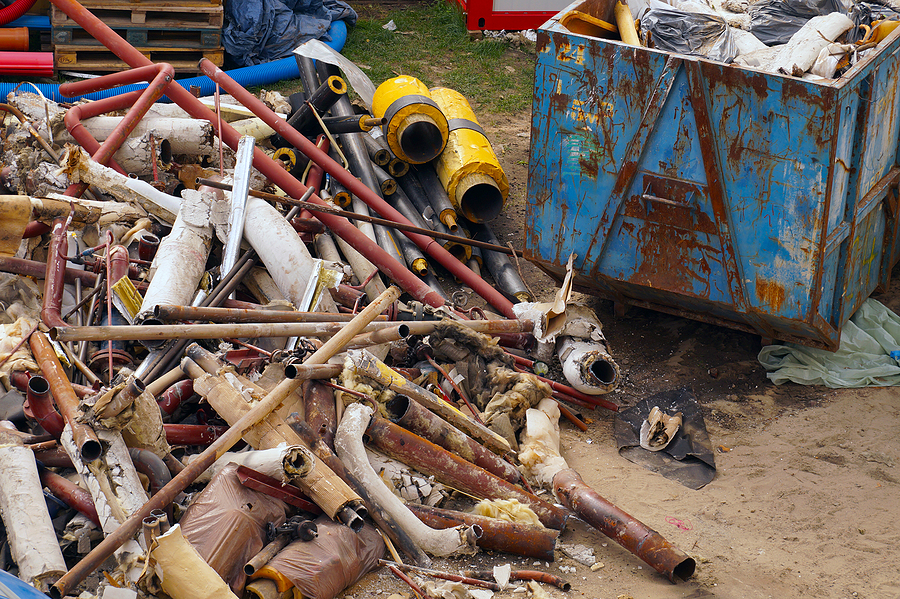
Why is Scrap Metal Recycling Essential for Modern Construction Sites?
It is the most effective way to reduce environmental impact while managing massive waste volumes. The construction industry is a major contributor to the nation’s waste stream. According to the EPA, 600 million tons of construction and demolition (C&D) debris were generated in the U.S. in 2018 alone—that is more than twice the amount of municipal solid waste generated. While much of this ends up in landfills, a significant portion is recoverable.
Recycling isn’t just a trend; it’s a resource necessity. Using recycled scrap to create new materials drastically reduces the energy required for manufacturing. For example:
- Aluminum: Recycling aluminum saves 95% of the energy needed to produce it from raw materials.
- Steel: Recycling steel saves about 75% of the energy compared to virgin production.
By integrating a recycling program, your site actively contributes to conservation, lowers greenhouse gas emissions, and aligns your business with modern green building standards like LEED certification.
How Does a Recycling Program Boost Your Project’s Bottom Line?
It turns waste disposal expenses into a revenue stream. The financial argument for scrap metal recycling is straightforward: you stop paying to throw money away.
Standard waste removal is a sunk cost. You pay for the dumpster rental, and you pay haul-away fees based on weight or volume. When heavy metals like steel beams or iron pipes are tossed into a general dumpster, they skyrocket the weight—and the price—of that disposal.
By diverting metal into a dedicated recycling stream, you achieve a dual financial benefit:
- Reduced Disposal Costs: You remove the heaviest materials from your general waste dumpsters, lowering your tipping fees.
- Generated Revenue: Scrap yards pay you for the metal. Clean, well-sorted materials like copper wiring or structural steel can fetch significant prices depending on current market rates.
In an industry where margins can be tight, recovering funds from demolition debris is a smart strategy to pad the project budget.
What Materials Can Contractors Recycle for Cash On-Site?
Almost any metal found on a jobsite has value, but ferrous and non-ferrous metals are priced differently. To maximize your return, it helps to know exactly what you are looking for. Scrap metal is generally categorized into two groups: Ferrous (contains iron, magnetic) and Non-Ferrous (no iron, non-magnetic, usually more valuable).
Common Recyclable Construction Metals:
- Steel: Structural beams, rebar, pipes, roofing, and stud framing.
- Aluminum: Siding, window frames, gutters, and HVAC ductwork.
- Copper: Electrical wiring, plumbing pipes, and roofing sheets. Note: This is often the highest-value scrap on a site.
- Brass: Plumbing fixtures, valves, and door hardware.
- Stainless Steel: Kitchen equipment, handrails, and certain architectural features.
✅ Pro Tip: Don’t forget about heavy equipment. If you have motorized equipment like old generators, bobcats, or conveyors that are beyond repair, these can often be recycled as whole units or dismantled for parts.
How Do You Set Up an Efficient Scrap Metal Program in 5 Steps?
Success comes from planning, partnering, and training your crew. Implementing a new process on a busy jobsite can feel daunting, but it doesn’t have to be complicated. Follow this 5-step framework to get started:
1. Conduct a Site Waste Audit
Before you start demolition or construction, assess what materials you will be generating. Will this job produce mostly rebar? Are you stripping out a building full of copper wire? Understanding the volume and type of metal helps you determine the size and number of containers you need.
2. Partner with a Reliable Scrap Yard
Find a local scrap metal recycler who specializes in commercial or industrial accounts. A good partner will:
- Provide the necessary dumpsters or roll-off containers.
- Offer transparent pricing based on market indexes.
- Handle the logistics of pick-up and swap-outs.
3. Separate at the Source
Contamination is the enemy of scrap value. If you throw wood, drywall, and plastic into the metal bin, the scrap yard may downgrade the load or charge a contamination fee. Set up designated bins for “clean” scrap metal distinct from general waste.
4. Train Your Crew
Your program only works if your team participates. Hold a toolbox talk to explain:
- Which bin is for metal.
- Why it matters (safety and profitability).
- What cannot go in the metal bin (hazardous waste, fluids, trash).
5. Schedule Logistics
Coordinate with your scrap partner to establish a pickup schedule that matches your workflow. You don’t want a full bin halting progress, nor do you want valuable copper sitting on an unsecured site for too long.
FAQ Section
How is scrap metal pricing determined?
Scrap prices fluctuate daily based on global supply and demand. They are often tied to market indexes like the LME (London Metal Exchange) or COMEX. Factors affecting your specific price include the grade of the metal (clean vs. dirty) and the total weight of your load.
What is the difference between “clean” and “dirty” scrap?
“Clean” scrap is metal that is free of other materials. For example, a copper pipe is clean. A copper pipe with soldered brass fittings or plastic insulation attached is considered “dirty.” Clean scrap always commands a higher price.
Do I need to transport the metal myself?
Not usually. Most professional scrap yards offer roll-off container services. They drop off the bin, you fill it, and they haul it away, deducting the haul fee from the scrap value or billing it separately.
Can I recycle metal with paint or rust on it?
Yes. Surface rust and paint are generally acceptable for ferrous metals like steel beams. However, hazardous materials or excessive concrete encasement may need to be removed first.
Key Takeaways for Construction Site Managers
- Volume: Construction generates massive amounts of waste; recycling drastically reduces landfill impact.
- Energy: Recycling aluminum and steel saves 75-95% of energy compared to raw production.
- Revenue: Segregating metal reduces general tipping fees and generates cash back for the project.
- Sorting: Keep metals separate from general trash to avoid contamination fees.
- Safety: A organized site with designated metal bins is safer and more efficient.
Start Your Recycling Program Today
Don’t let valuable materials rust away in a landfill. If you are managing a construction or demolition project in Central Indiana, we can help you turn that debris into revenue.
Looking for reliable scrap metal recycling services? We pay cash for all metal scrap and motorized equipment. Contact us today to set up your container and start maximizing your jobsite returns.
Related Post: A Guide to Construction Scrap Recycling for Builders and Demolition Pros