
Tossing an empty soda can into the recycling bin might seem like a small, insignificant action, but it actually holds tangible value. Aluminum recycling is a simple and effective way to put extra cash in your pocket while doing a massive favor for the environment. Many people collect cans passively, but few realize the actual math behind those shiny piles of metal.
Collecting cans might seem like a slow process, but understanding the financial and environmental benefits makes it a highly rewarding habit. Aluminum is infinitely recyclable, meaning it can be melted down and repurposed endlessly without losing its quality. Because of this durability, scrap yards are always eager to buy your empty beverage containers.
This guide breaks down exactly what it takes to earn a crisp $100 bill from your recycling efforts. We will explore current scrap prices, the weight of standard cans, and practical strategies to maximize your payout at the local scrap yard.
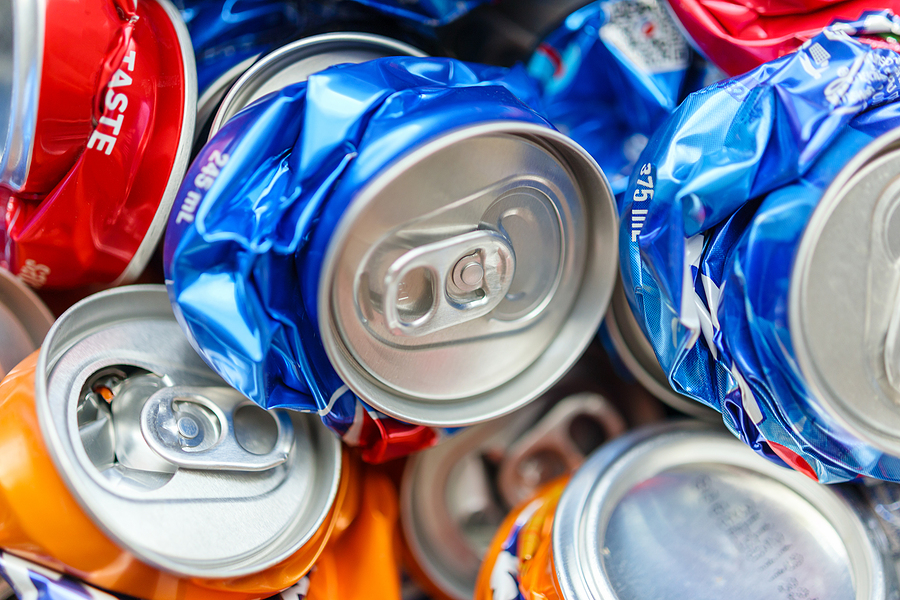
Understanding Aluminum Can Value
Before you start filling garbage bags with empty soda and beer containers, you need to understand how scrap facilities calculate their payouts. The value of your collection depends on a few key variables.
Factors Influencing Scrap Metal Prices
Scrap metal prices fluctuate constantly based on global supply and demand, much like the stock market. Knowing what drives these prices helps you time your visits to the recycling center.
Current Market Rates for Aluminum
Depending on market conditions, the price of scrap aluminum can vary significantly. Currently, the average rate for clean aluminum cans in areas like Indianapolis sits around $0.50 per pound. Checking local market rates before you head to the facility ensures you get the best possible return.
Geographic Location
Where you live plays a major role in how much you get paid. Scrap yards located closer to major aluminum smelters or ports often pay slightly higher rates due to lower transportation costs. Areas with high competition among scrap buyers also tend to offer better payouts.
Purity and Condition of Cans
Facilities pay the highest rates for clean, dry aluminum. If your bags are filled with trash, dirt, plastic bottles, or half-full sodas, the aluminum can recycling center will likely deduct a percentage of the total weight or offer a lower “dirty” aluminum rate.
Average Weight of an Aluminum Can
To figure out your potential earnings, you need to know how much a single can weighs. Decades ago, cans were much heavier. Thanks to modern manufacturing, the average 12-ounce aluminum beverage can has experienced a 38% weight reduction since the 1970s.
Today, a standard empty 12-ounce can weighs approximately 14 grams, which is about 0.5 ounces. Because there are 16 ounces in a pound, you need roughly 31 to 32 standard cans to make a single pound of scrap aluminum.
Calculating Cans for $100
With the weight and average price established, determining your goal becomes a straightforward math equation.
The Math Behind the Money
Let us assume your local scrap yard pays exactly $0.50 per pound for clean aluminum cans. To earn $100, you need to collect 200 pounds of aluminum ($100 divided by $0.50).
Since it takes about 32 cans to make one pound, you multiply 200 pounds by 32. This means you need approximately 6,400 standard 12-ounce cans to make $100.
Practical Considerations and Variations
While 6,400 cans is the standard benchmark, your actual count might differ. Many energy drinks, craft beers, and iced teas come in 16-ounce or 24-ounce tallboy cans. These larger containers weigh more, meaning you will need fewer of them to hit your 200-pound target. Alternatively, smaller 8-ounce mini cans will require a higher total count to reach the same weight.
Maximizing Your Earnings
Reaching your financial goal requires a bit of strategy. A few simple adjustments to your collection process can significantly boost your overall payout.
Tips for Collecting and Storing Cans
A little preparation goes a long way. Always give your cans a quick rinse after drinking. This prevents sticky syrup residue from attracting bees, ants, and other pests while you store them.
Crushing your cans is also highly recommended. A crushed can weighs the exact same as an uncrushed one, but it takes up a fraction of the space. Crushing allows you to fit significantly more weight into a single trash bag, reducing the number of trips you need to make to the scrap yard.
Finding the Best Scrap Metal Buyers
Never assume all scrap metal buyers pay the same rate. Spend a few minutes calling different facilities in your area to ask for their current price on aluminum cans. A difference of just five or ten cents per pound can drastically change your final payout when dealing with large quantities.
The Benefit of Larger Quantities
Patience pays off in the scrap metal industry. Many recycling centers offer tiered pricing, meaning they pay a higher rate per pound if you bring in a massive load. Saving up your cans until you have 100 pounds or more might bump your payout rate up a few cents, helping you reach your $100 goal much faster.
Beyond the Money: Environmental Impact
While the extra cash is a fantastic incentive, recycling your beverage containers provides profound benefits to the planet. Every can you save from the trash bin helps protect the environment.
Energy Savings from Recycling
Creating new aluminum from raw bauxite ore is an incredibly energy-intensive process. Recycling existing aluminum requires 95% less energy than producing new metal. Furthermore, recycling just one ton of aluminum prevents approximately 9 tons of carbon dioxide emissions from entering the atmosphere.
Reducing Landfill Waste
Americans consume billions of canned beverages every year. When these containers are thrown in the trash, they end up in local landfills where they can take hundreds of years to decompose. Recycling diverts this massive volume of waste, freeing up valuable landfill space for materials that cannot be reused.
Conservation of Natural Resources
Because aluminum can be recycled infinitely without degrading, relying on scrap metal drastically reduces the need to mine the earth for new bauxite ore. This conservation protects delicate ecosystems and prevents the habitat destruction associated with heavy mining operations.
Frequently Asked Questions (FAQ)
How much does a typical aluminum can weigh?
A standard 12-ounce empty aluminum can weighs roughly 0.5 ounces, or about 14 grams. It takes about 31 to 32 cans to equal one pound.
Where can I sell aluminum cans near me?
You can sell your empty cans at local scrap metal yards or specialized recycling centers like Zore’s Inc. in Indianapolis. A quick online search for “scrap metal buyers near me” will yield several nearby options.
Do I need to clean aluminum cans before recycling?
While they do not need to be scrubbed spotless, a quick rinse is highly recommended. Rinsing prevents sticky residues, stops unpleasant odors, and keeps insects away while you store them. It also ensures the yard gives you the highest “clean scrap” price.
What other aluminum items can I recycle for cash?
Scrap yards accept a wide variety of aluminum products beyond beverage cans. You can recycle aluminum siding, old gutters, window frames, car parts, and even clean aluminum foil. Keep in mind that these items are often priced differently than standard beverage cans.
Every Can Counts: Start Earning Today
Gathering 6,400 cans might sound like a massive undertaking at first glance. However, by asking friends to save their empties, collecting after family parties, or setting up a bin at your workplace, the pounds add up incredibly fast. You are not only padding your wallet but also playing a crucial role in reducing carbon emissions and conserving natural resources.
Are you ready to turn your collection into real money? If you have a stash of aluminum cans in Indianapolis, Indiana, bring them down to our facility. Our scrap metal buyers pay cash on the spot. Learn more about our competitive rates and convenient location today, and start making money from your recycling!
Related Post: Turn Trash into Cash: How Aluminum Can Recycling Benefits You and the Planet