
That pile of old pipes in your garage or the broken appliance gathering dust in your basement might be worth more than you think. Scrap metal holds real cash value, and recycling it puts money back in your pocket while keeping usable materials out of landfills.
The trick is knowing what you have and how much it’s worth. Some metals fetch a few dollars per ton, while others can earn you several dollars per pound. This guide breaks down the most valuable scrap metals, where to find them, how to prepare them for sale, and how prices are set—so you can turn your unwanted metal into cash.
What Is Scrap Metal and Why Is It Valuable?
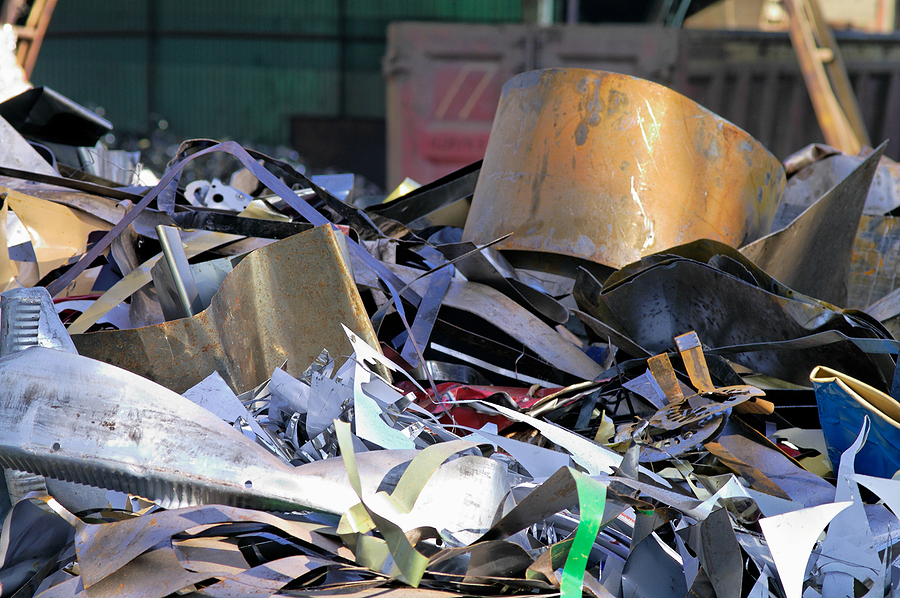
Scrap metal is any leftover metal from old products, construction, or manufacturing that can be melted down and reused. Because making new metal from raw ore is expensive and energy-intensive, recyclers are willing to pay for scrap they can process into fresh material.
A few quick tips will help you spot valuable metal:
- Grab a magnet. It’s the fastest way to sort your scrap (more on that below).
- Check the color. Reddish metals are often copper; yellowish ones may be brass.
- Weigh your haul. Heavier loads of high-value metals mean bigger payouts.
Common Types of Valuable Scrap Metal
Not all metals are created equal. The single biggest factor in your payout is whether your scrap is ferrous or non-ferrous.
Ferrous vs. Non-Ferrous Metals: What’s the Difference?
Here’s a simple test: hold a magnet to your metal. If it sticks, the metal is ferrous (it contains iron). If it doesn’t stick, the metal is non-ferrous, or non-ferric, meaning no traces of iron.
This matters because non-ferrous metals are typically worth far more than ferrous ones. Knowing the difference before you head to the local scrap yard helps you sort your load and get paid fairly.
High-Value Non-Ferrous Metals: Copper, Aluminum, and Brass
Non-ferrous metals are where the real money is. These metals don’t rust, conduct electricity well, and stay valuable over time.
- Copper is the star of the scrap world. Clean copper, like bare bright wire, commands premium prices and can trade for several dollars per pound.
- Aluminum is lightweight and common. You’ll find it in cans, window frames, and car parts. It earns less per pound than copper but adds up quickly in volume.
- Brass sits in the middle. This yellowish alloy shows up in faucets, valves, and fixtures, and brings a solid return.
Ferrous Metals: Steel and Iron
Ferrous metals like steel and iron are worth less per pound, but don’t write them off. They’re heavy, and scrap yards often price them by the ton. A washing machine, an old car frame, or a stack of steel beams can still earn a respectable sum thanks to their sheer weight.
Where to Find Scrap Metal Around Your Home and Business
Once you know what’s valuable, you’ll start spotting scrap everywhere. Here are the best places to look.
Household Items
Your home is full of recyclable metal. Old appliances—refrigerators, dryers, water heaters—contain steel, copper, and aluminum. Outdated electronics, copper plumbing pipes, and worn-out cookware are all worth collecting.
Garage and Workshop Finds
The garage is a goldmine. Look for old tools, car parts like radiators and batteries, scrap wire, and small machinery. Radiators in particular often contain copper and aluminum, which boost their value.
Business and Construction Scrap
Businesses and job sites generate large volumes of valuable metal. Leftover electrical wiring, copper and steel pipes, structural beams, and HVAC components add up fast. If you run a contracting or manufacturing operation, that “waste” pile could be a steady source of income.
How to Prepare Your Scrap Metal for Sale
A little prep work can mean a bigger payout. Scrap yards pay more for clean, sorted metal because it saves them processing time.
Sorting and Separating
Use that magnet again and divide your scrap into ferrous and non-ferrous piles. Then separate by type—copper with copper, aluminum with aluminum. Mixed loads often get paid at the lowest applicable rate, so sorting protects your earnings.
Cleaning and Processing
Remove non-metal attachments like plastic, rubber, and insulation where you safely can. For example, stripping insulation off copper wire turns it into higher paying “bare bright” copper. Clean metal almost always earns more than dirty, mixed material.
Safety First
Wear gloves and eye protection when handling scrap. Watch out for sharp edges, rust, and any containers that may have held hazardous fluids. If something feels unsafe to handle, leave it for the professionals at the scrap yard.
How Scrap Metal Prices Are Determined
Scrap prices aren’t fixed—they move with the market. Knowing what drives them helps you time your sale.
Market Factors
Global supply and demand set the baseline. When manufacturers need more raw material, prices climb. Economic shifts, construction activity, and even international trade all push values up and down. As a recent reference point, copper has traded between roughly $2.40 and $3.70 per pound, while aluminum has ranged from about $0.55 to $0.82 per pound.
Local Scrap Yards
Each scrap yard sets its own rates based on these market prices, plus their operating costs and demand. That’s why two yards can quote slightly different numbers on the same day. Many Indianapolis yards, including Zore’s Recycling on 1300 N. Mickley Ave., pay cash on the spot for your metal.
Getting the Best Price
To maximize your return, sort and clean your metal, weigh your load ahead of time, and call a few yards to compare quotes. Selling in larger batches often earns better rates than frequent small drop-offs.
Environmental Benefits of Recycling Scrap Metal
Selling scrap isn’t only about the cash. Recycling metal conserves natural resources by reducing the need to mine new ore. It also cuts waste, keeping bulky materials out of landfills.
Producing metal from recycled scrap uses far less energy than making it from raw ore, which means lower emissions and a smaller environmental footprint. Every load you recycle helps close the loop.
Frequently Asked Questions
What types of items are considered scrap metal?
Almost any metal item can be scrapped, including appliances, electronics, plumbing pipes, car parts, tools, wiring, and construction materials. If it’s made of metal and you no longer need it, it likely has scrap value.
How can I tell if my metal is ferrous or non-ferrous?
Use a magnet. If it sticks to the metal, the metal is ferrous (it contains iron) and usually worth less. If the magnet doesn’t stick, the metal is non-ferrous—like copper, aluminum, or brass—and typically worth more.
Do I need to clean my scrap metal before selling it?
You don’t have to, but it helps. Removing plastic, rubber, and insulation, and separating metals by type, often earns you a higher price because the yard spends less time processing your load.
Where can I sell my scrap metal in Indianapolis?
Indianapolis has several reputable scrap yards that pay cash for metal, including Zore’s Recycling and Farnsworth Metal Recycling. Call ahead to confirm current prices and what materials they accept.
Turn Your Scrap into Cash Today
Your old metal doesn’t have to sit around collecting rust. Once you know what’s valuable, where to find it, and how to prepare it, scrapping becomes a simple way to earn extra money and help the planet at the same time.
Ready to find out what your pile is worth? Contact our Indianapolis scrap metal buyers for instant cash on the spot. Get a free offer today.
Related Post: Understanding the Metal Market and Its Impact on Your Scrap Metal Value