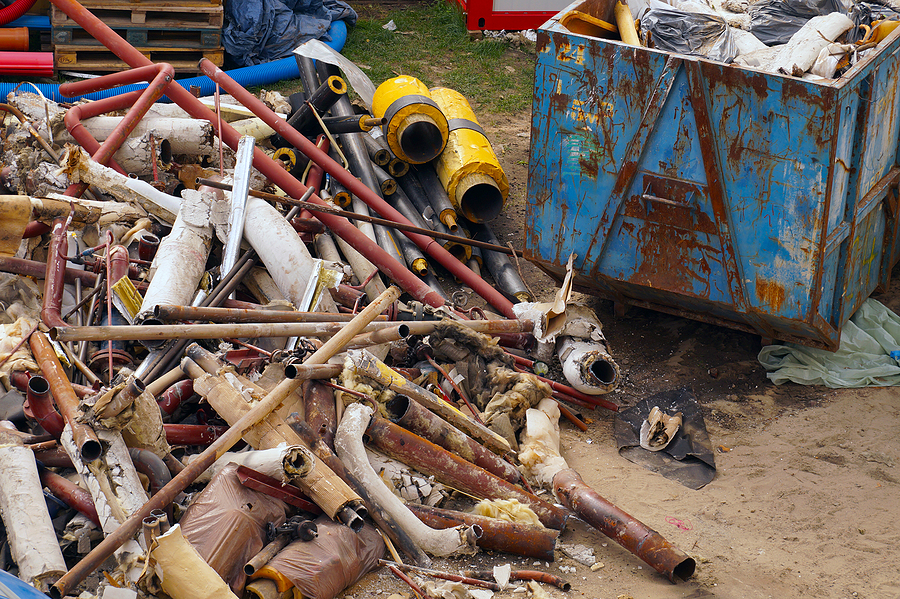
TL;DR: Scrap metal recycling dramatically reduces energy consumption, cuts greenhouse gas emissions, and conserves finite natural resources. When businesses and individuals integrate recycling into their operations—and use financial data tools to track environmental impact—they contribute meaningfully to a more sustainable future.
Key Takeaways:
- Recycling aluminum uses just 5% of the energy required to produce it from raw materials (U.S. EPA)
- Recycling steel and tin cans saves 60–74% of the energy needed for virgin production (U.S. EPA)
- IFRS S2, effective January 2024, now requires companies to disclose climate-related risks and opportunities
- Tracking Scope 1, 2, and 3 emissions gives businesses a complete picture of their environmental footprint
- Scrapping motorized assets like cars and forklifts in Indianapolis keeps valuable metals out of landfills
Table of Contents:
- Why Is Preserving Natural Resources Critical for the Future?
- How Does Scrap Metal Recycling Save Energy?
- The Role of Financial Data in Environmental Stewardship
- FAQ
- Quick Recap
- Conclusion
- Recycle Metal in Indianapolis for Cash

Why Is Preserving Natural Resources Critical for the Future?
Natural resources are finite. Once they’re gone, they’re gone—and the process of extracting them causes lasting damage to ecosystems, water supplies, and local communities.
Mining operations strip land bare, disrupt wildlife habitats, and consume enormous volumes of water. Smelting raw ore releases carbon dioxide and other pollutants into the atmosphere. The further we push into depleted reserves, the more energy-intensive and environmentally destructive extraction becomes.
The economic stakes are just as high. Industries that depend on raw materials—manufacturing, construction, automotive—face rising costs as accessible reserves shrink. Supply chain disruptions become more frequent. Price volatility increases.
Recycling breaks this cycle. By reintroducing recovered materials back into production, we reduce dependence on virgin extraction and ease the pressure on ecosystems that have already been stretched thin. Scrap metal recycling, in particular, offers one of the highest returns on environmental investment of any material recovery process.
How Does Scrap Metal Recycling Save Energy?
The energy savings from recycling metal are not marginal—they’re transformative. According to the U.S. EPA’s WasteWise program, aluminum can be recycled using less than 5% of the energy required to make the original product. The International Aluminium Institute puts this even more precisely: in 2019, primary aluminum production consumed 186 gigajoules per tonne, while recycled aluminum required just 8.3 gigajoules per tonne—a 95.5% reduction.
The numbers for other metals are equally compelling:
- Steel: Recycling steel and tin cans saves 60–74% of the energy used in primary production (U.S. EPA). One ton of recycled steel saves the equivalent of 3.6 barrels of oil and 1.49 tons of iron ore.
- Copper: Industry estimates put energy savings from recycled copper at approximately 85% compared to virgin production.
- Lead and Zinc: Estimated energy savings of 65% and 60%, respectively.
Beyond energy, the broader environmental benefits are significant. The U.S. EPA reports that in 2018 alone, the recycling and composting of municipal solid waste saved over 193 million metric tons of carbon dioxide equivalent. That reduction in greenhouse gas emissions directly addresses one of the most pressing environmental challenges of our time.
Motorized assets deserve special attention here. Vehicles, forklifts, and heavy equipment contain large volumes of steel and aluminum—materials that retain their value and recyclability regardless of how worn the machine has become. Recycling a car keeps hundreds of pounds of metal out of landfills and back into productive use.
Ready to recycle in Indianapolis? We pay cash for all scrap metal and motorized assets, including cars, trucks, and forklifts. Contact us today to get a quote.
The Role of Financial Data in Environmental Stewardship
Environmental responsibility doesn’t happen in a vacuum. For businesses managing large fleets, industrial equipment, or physical assets, the decision to recycle is also a financial one—and financial data plays a central role in making those decisions well.
The global regulatory landscape has shifted considerably in recent years. The International Sustainability Standards Board (ISSB) issued IFRS S1 and IFRS S2 in June 2023. IFRS S2, effective for annual reporting periods beginning on or after January 1, 2024, requires entities to disclose information about climate-related risks and opportunities that could affect their cash flows, access to finance, or cost of capital.
This means organizations need clear, auditable data on their emissions and environmental impact—not just for internal strategy, but for investor reporting.
The GHG Protocol provides the measurement framework that underpins much of this reporting. It classifies emissions into three scopes:
- Scope 1: Direct emissions from owned or controlled sources
- Scope 2: Indirect emissions from the generation of purchased energy
- Scope 3: All other indirect emissions that occur in the value chain, including both upstream and downstream activities
For asset-intensive businesses, the disposal and end-of-life management of physical assets—like machinery and vehicles—falls within this accounting framework. Recycling those assets, rather than sending them to landfill, can meaningfully reduce a company’s reported environmental footprint.
AI-powered financial platforms are increasingly helping organizations connect the dots between asset management decisions and ESG outcomes. By tracking the lifecycle of physical assets and integrating environmental data into financial reporting workflows, these tools help businesses demonstrate measurable progress toward sustainability goals—while satisfying the growing demands of regulators and investors alike.
FAQ
What metals can be recycled for cash?
Most common metals are recyclable, including aluminum, steel, copper, brass, iron, and lead. Motorized assets like cars, trucks, and forklifts contain a mix of these metals and are accepted at scrap yards.
Does recycling old vehicles actually make an environmental difference?
Yes. Vehicles contain significant quantities of steel and aluminum—two of the most energy-intensive metals to produce from raw ore. Recycling a single vehicle recovers hundreds of pounds of reusable metal, reducing the need for virgin mining and the emissions that come with it.
What is the difference between Scope 1, 2, and 3 emissions?
As defined by the GHG Protocol, Scope 1 emissions are direct emissions from owned or controlled sources. Scope 2 covers indirect emissions from purchased energy. Scope 3 encompasses all other indirect emissions across the value chain, including those from the disposal of assets.
How does IFRS S2 affect businesses?
IFRS S2, effective January 1, 2024, requires companies to disclose material information about climate-related risks and opportunities. This includes governance, strategy, risk management processes, and performance metrics—such as GHG emissions across all three scopes.
Why is Indianapolis a good location for scrap metal recycling?
Indianapolis has an active manufacturing and logistics sector, meaning there’s a consistent supply of end-of-life metal and motorized assets. Local recycling reduces transportation emissions and keeps materials within regional supply chains.
Quick Recap:
- Natural resource depletion is a real and growing economic and environmental risk
- Aluminum recycling uses just 4–5% of the energy of primary production (U.S. EPA; International Aluminium Institute)
- Steel recycling saves 60–74% of energy compared to virgin production, plus 3.6 barrels of oil equivalent per ton (U.S. EPA)
- In 2018, recycling and composting saved over 193 million metric tons of CO2 equivalent in the U.S. (U.S. EPA)
- IFRS S2 (effective January 2024) mandates climate-related financial disclosures for applicable entities
- GHG Protocol Scope 1, 2, and 3 definitions provide the global standard for emissions accounting
- Recycling motorized assets recovers valuable metals and reduces landfill impact
- Financial data platforms help businesses integrate ESG tracking with asset management decisions
Turn Scrap Metal Into Action
The environmental case for recycling is clear, and the financial incentives are real. Every ton of aluminum, steel, or copper recovered from scrap is a ton that doesn’t need to be mined, refined, and processed from scratch—saving energy, reducing emissions, and easing pressure on the natural systems we all depend on.
For businesses and individuals in Indianapolis, the opportunity is right in front of you. Old vehicles, forklifts, and industrial equipment sitting idle aren’t just taking up space—they’re holding recoverable value and recyclable materials.
We pay cash for scrap metal and motorized assets in Indianapolis. Whether you have a single car or a fleet of forklifts, we make recycling simple and profitable. Contact us today to find out what your scrap is worth.
Related Post: A Closer Look at the Most Recycled Materials Around the Globe