What are Precious Metals and Why are they More Valuable?

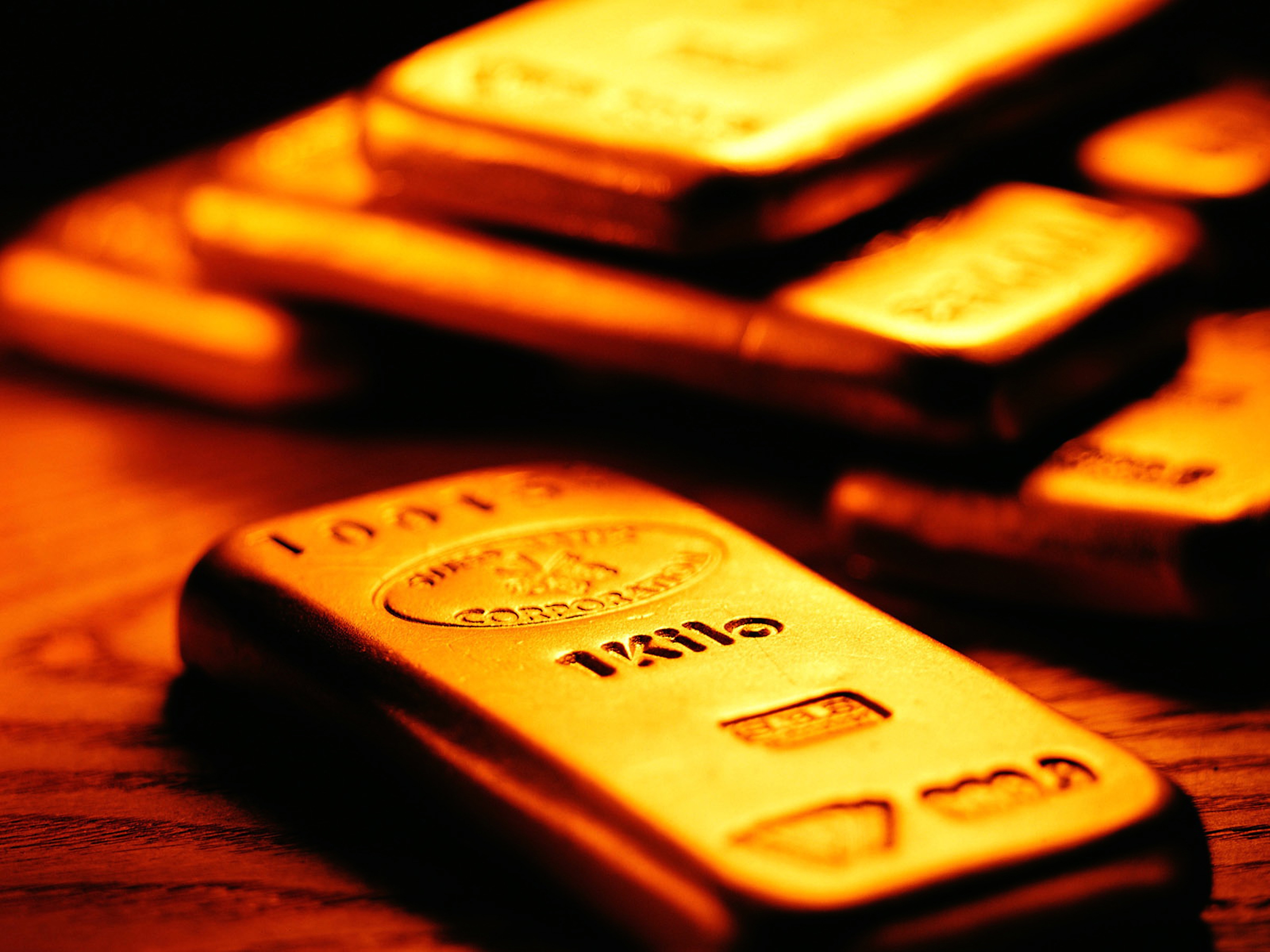
We have all admired them before; gold, silver, platinum, and more. Precious metals are all around us in various aspects of life. From in the ground, to on the shelves, and in our jewelry boxes; precious metals are highly admired commodities all over the world. So what makes a metal precious, exactly? The answer is fairly simple.

Precious Metal Recycling 317-244-0700

Continue reading to learn what a precious metal is and why they are so valuable in our economy.

Precious Metal

A precious metal is any pure metal that is rare and occurs naturally in the environment. They are made up of natural chemical elements that retain high economic value. From a chemical standpoint, precious metals do not react as much as other elements do. In fact, they are usually ductile. Precious metals are high in luster and shine; which made them popular forms of currency in historical times. In today’s society, precious metals are viewed more as an investment or industrial commodity. The most universally known precious metals are the chief coinage metals, gold and silver; however, there are several more found in nature. Here are some examples of precious metals:

• Gold
• Silver
• Platinum
• Rhodium
• Palladium
• Ruthenium
• Osmium
• Zirconium
• Beryllium
• Cadmium
• Bismuth
• Tungsten
• Selenium
• Mercury
• Cobalt
• Germanium
• And More

Recycle Precious Metal for Cash in Indianapolis, Indiana

If you have precious metals such as the ones mentioned above, you can recycle them for cash in Indianapolis, Indiana. Just call Zore’s Recycling at 317-244-0700 for information about our precious metal recycling services and scrap metal recycling yard. We offer the highest cash returns for precious metals; higher than jewelry stores, pawn shops, and other recycling companies!

Recycle Catalytic Converters for Platinum and Other Useful Metals

Precious Metal Recycling 317-244-0700

Precious Metal Recycling 317-244-0700

In today’s precious metals market, Platinum is one of the more popular choices for collectors, aficionados, jewelry makers, craftsmen, and even automotive manufacturing. Currently, Platinum is worth nearly $1500 per ounce! In sustained economic stability, the value of Platinum can more than double the value of Gold or Silver. The opposite goes for unstable economic periods. In this blog, we will explore the value of Platinum and other recyclable metals within catalytic converters.

Continue reading to learn where, why, and how to recycle a junk car that still retains its Platinum constituents; as well as, discuss other metals that are also found and recycled from catalytic converters.

Did You Know Catalytic Converters Contain Platinum?

The catalyst in a catalytic converter is typically a precious metal. In most cases it is Platinum because it is proven to be the most effective catalytic agent; however, Palladium and Rhodium are common catalyst substitutes in the industry. Platinum is valuable because of its various uses. It can be melted down and reused over and over again; while never losing its value. This is a major reason why catalytic converters are in high demand in junk car lots and scrap yards. Not many people realize their junk car contains a valuable commodity that can benefit countless industries.

Recycle a Junk Car or Converter

When a person has a junk car that they wish to sell or get rid of, it is strongly recommended to sell or donate the vehicle to a scrap metal recycling yard. A converter can be recycled as a whole, for cash; or, the metal recycling company can disassemble the catalytic converter and remove the Platinum-bearing substrate or beads, then recycle them piece by piece.

Many groups believe that metal recycling is the future of alloy mining. Not only can recycling old cars and car parts benefit the environment, it can also benefit a person’s bank account. Most scrap metal yards pay cash for junk cars other recyclable items made from metal. This is because cars contain a great deal of recyclable metal; and some of this metal is very valuable and useful.

On top of Platinum, catalytic converters contain other useful and recyclable metals; such as Cerium, Iron, Manganese, Nickel, and Copper. As mentioned before, a catalytic converter can also contain Rhodium (as a reduction catalyst) and Palladium (as an oxidation catalyst). These are all recyclable and reusable metals that are considered valuable commodities in today’s’ scrap metal market and more.

How to Recycle a Catalytic Converter

The best approach to take as a beginner is calling a reputable metal processing company for information, instruction, and advice. Recycling a catalytic converter can be very lucrative if you use an honest and dependable scrap metal yard. It is important to do extensive research to determine who can offer you the best deal for your used car or car parts. Some companies can take advantage of novice metal recyclers. They make the mistake of assuming you do not know the true value of your junk car or converter.

This is why it is vital to consult a reputable and trustworthy metal recycling company in your area. They can lead you in the right direction for recycling metal and other commodities you might own. Metal recycling companies also accept various other metals, like the ones mentioned above, in other forms; such as appliances, equipment, machines, jewelry, and more.

Where to Recycle a Catalytic Converter in Indianapolis, Indiana

Indianapolis Metal Recycling 317-244-0700

Indianapolis Metal Recycling 317-244-0700

Zore’s Recycling has been in the metal processing and Platinum recycling industry for decades in Indianapolis, Indiana. You can speak with a friendly representative by calling 317-244-0700 day or night. We offer junk car selling, recycling, metal processing, scrap metal recycling, towing, electronic recycling, and much more. For the highest return for platinum and catalytic converters, call Zore’s Recycling in Indianapolis, IN today!

What Kinds of Metal Can Be Recycled?

Metal Recycling Center 317-244-0700

Metal Recycling Center 317-244-0700

There are two types of metals that can be recycled, ferrous and non-ferrous. Ferrous metals contain iron; whereas, non-ferrous metals do not. The demand for ferrous metal has increase exponentially by five percent each year for the past decade. Non-ferrous metals, although more expensive, retain desirable qualities; such as low weight, high conductivity, and its anti-corrosive qualities. Continue reading to learn which ferrous and nonferrous metals are recyclable, and where to go to recycle these kinds of commodities made of these metals.

Nonferrous Metal

There are several commodities that are made from non-ferrous metals. Items such as soup cans, baking trays, foil, bottle caps, car rims, electric motors, radiators, and fine jewelry are examples of nonferrous household items. Here is a limited list of the most popular and important nonferrous metals:

• Copper
• Brass
• Aluminum
• Steel
• Lead
• Nickel
• Tin
• Titanium
• Zinc
• Gold
• Silver
• Platinum
• And More

Ferrous Metals

Ferrous metals are commonly used in the steel and iron industries. Anything made from steel or iron is automatically a ferrous metallic object or commodity. Examples of ferrous objects include food cans, car parts, household appliances, horseshoes, magnets, and more. Here is a list of the most popular and important ferrous metals found in the world:

• Steel
• Carbon Steel
• Stainless Steel
• Iron
• Cast Iron
• Wrought Iron
• Celestrium
• Chromium
• Pig Iron
• Anthracite Iron
• Silicon Steel
• Molybdenum
• And More

Indianapolis Metal Recycling

Indianapolis Metal Recycling 317-244-0700

Indianapolis Metal Recycling 317-244-0700

For more information about metal recycling in Indianapolis, IN call 317-244-0700 today. Here at Zore’s Recycling, we pay cash for all types of scrap metal and metal commodities. We accept all ferrous and nonferrous metals! Visit our website at https://www.zoresrecycling.com/metals-we-recycle-indianapolis.php for details about our services and company background. Call 317-244-0700 today for information about current scrap metal prices, and what types of metals are recyclable in Indianapolis, IN and its surrounding cities and counties.

Types of Precious Metals and their Current Values

Precious Metal Recycling 317-244-0700

Precious Metal Recycling 317-244-0700

High valued metals are considered precious; but what constitutes a precious metal? A metal that is rare is typically categorized as a precious metal. Other variables that influence the worth of metals are high demands and market values. If precious metals come in bulk form, they are referred to as bullion, and traded on commodity markets. Bullion value is only determined by purity and mass; rather than its face value as money. Let’s take a look at the most popular high-priced precious metals and what purpose they serve in today’s society.

Rhodium

Rhodium is one of the most valuable metals in the world. It is a shiny and silver-colored metal that is mostly desired for its reflective qualities. It is often times used for mirrors, search lights, optical instruments, and jewelry varnishes. It is also widely used in the automotive manufacturing industry for its high melting points and its remarkable resistance to corrosion.

One kilogram of Rhodium has cost over 10,000 dollars in recent years; however, in today’s market, the price of this metal changes on a daily basis. As of January of this year, Rhodium costs between 1,100 and 1,300 dollars per ounce. For one kilogram of Rhodium, conglomerates pay upwards of 45,000 dollars or more, depending on the purity. South Africa and Russia are the dominate regions where Rhodium is found today.

Platinum
Precious Metal Recycling 317-244-0700

Precious Metal Recycling 317-244-0700

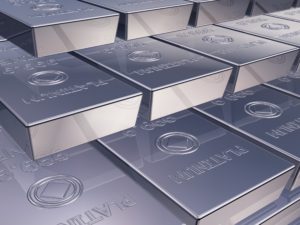
Engagement rings, dentistry, watchmaking, weaponry, and aeronautics are a few examples of popular uses for Platinum these days. Platinum is also found in South Africa and Russia; just like Rhodium, but it has also been found in Canada and a few other countries as well. It is most admirable for its malleability, density, ductility, and resistance to corrosion; just like Rhodium. It is a stunning silver-white metal with intense luster and shine. Often times it is mistaken for silver. One distinctive and interesting quality of Platinum is its ability to withstand large amounts of hydrogen.

Platinum is not a cheap commodity. As of today, platinum costs around 1,400 dollars per ounce; that’s 49,000 dollars for one kilogram! During stable economic times, the price of Platinum can easily exceed the price of Gold; whereas, in shaky economic spells, the price can drastically drop. Gold values are more stable during slow economic periods because its demand is not driven based on industrial use alone.

Gold

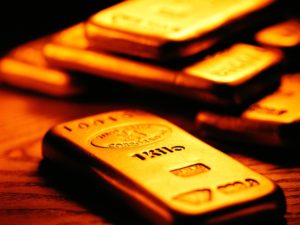
Gold is one of our world’s most popular metals and investment options. It is desired for its malleability, durability, and even more so for its beauty. For centuries upon centuries, gold has been a cherished and sought after metal; even before the human race could understand its actual worth. Gold is primarily found in China, South Africa, Australia, and the United States. Mining and panning are the common methods used to separate rocks and minerals from gold nuggets.

Gold has various uses, but is mostly associated with fine jewelry. An interesting fact is that gold actually has high conductivity levels, making it perfect for electronic components and more. It is also highly reflective and used for common products; from radiator shields to office windows!

Silver

Silver is one of the top most valued metals on the planet. It is a whitish-shiny metal that has the lowest contact resistance of all the metals discussed. It has phenomenal thermal and electrical conductivity capabilities; as well as, an endless list of uses.

Silver is probably most known for its common uses; such as coinage, jewelry, batteries, dentistry, circuitry, and even photography. However, there are several niche uses for silver that many people do not know about. For example, silver is also used as an odor-control solution for shoes and clothes, a mold treatment for wood, and more. It can even be used to stop the spread of bacteria on mobile phone covers.

As of May this year, silver is remaining steady at about 24 dollars per ounce. That equal to about 840 dollars for one kilogram. It is a fairly affordable metal, making it popular for jewelry and other material commodities. In the past, silver was valued much higher; reaching nearly 50 dollars per ounce in the eighties.

Indianapolis Metal Recycling

Indianapolis Metal Recycling 317-244-0700

Indianapolis Metal Recycling 317-244-0700

For more information about precious metals or recycling metal in Indianapolis, call Zore’s Recycling at 317-244-0700 today. Trust Zore’s to offer the most current information and price rates for precious metals in in Indianapolis, IN.