Common Applications for Ferrous and Nonferrous Metal

Metal ore is one of the most valuable and applied resources on Earth. From art and education, to science, building, construction, and more, the applications for metal are wide-ranging, thus making its possible uses virtually endless. There are two main categories of metal, one of which contains iron, and the other does not. These are referred to as ferrous and nonferrous metal.

Continue reading to learn the various attributes and common applications of both ferrous and nonferrous metal.

Indianapolis Scrap Metal Buyers
Indianapolis Scrap Metal Buyers 317-244-0700

Ferrous Metal

Ferrous metal is any metal that contains iron. Carbon steel, stainless steel, cast iron, wrought iron, mild steel, and any other forms of iron alloys are examples of ferrous metals. Since ferrous metal is very strong and durable, and retains magnetic properties, it is commonly used to manufacture or construct things that can resist corrosion and remain strong and stable.

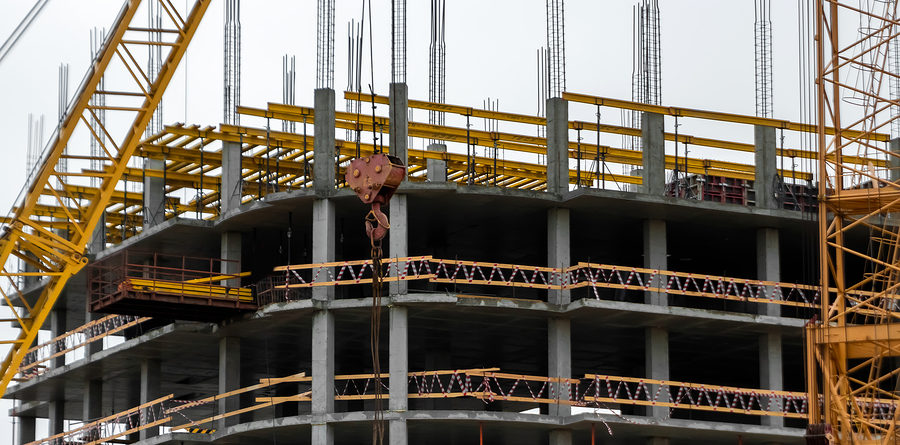
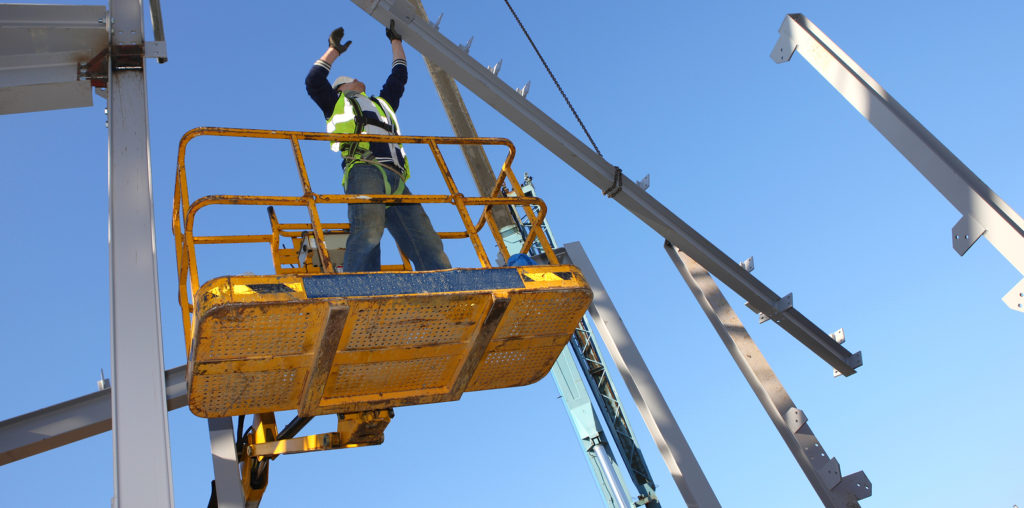
Ferrous metal is used to make everything from skyscrapers to drill bits, and more. Large-scale piping, cars, trucks, yachts, planes, construction and farming equipment, motors, industrial containers, rail roads, and more are common large-scale commodities built from ferrous metals. Smaller items include everything from kitchen knives, to power tools, electrical appliances, and more.

Nonferrous Metal

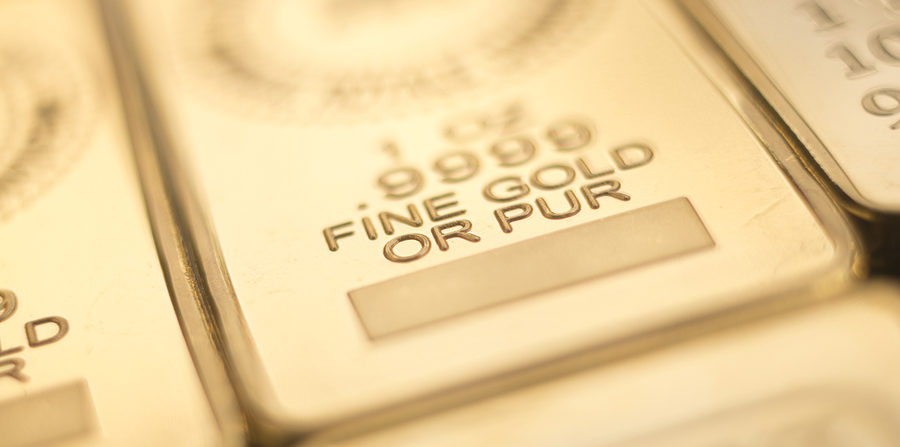
Nonferrous metal is metal that does not contain any iron content. Examples of non-iron containing metals include copper, nickel, aluminum, brass, lead, tin, and zinc. Precious metals are also nonferrous, including gold, chromium, tungsten, silver, zirconium, mercury, cobalt, bismuth, cadmium, beryllium, and more. 

Nonferrous metals are used for their malleability and versatility.  They also have a higher resistance to rust and corrosion because they do not contain any iron compounds.  Jewelry, electrical wiring, canning, window frames, road signs, electrical fittings, pipe work, batteries, roofing, and millions of other items are made from nonferrous metal materials.

Testing for Iron Alloy

One of the easiest methods to determine if an item contains ferrous metal is to use a magnet. If the magnet sticks, it is made with ferrous metals like iron and steel. If the magnet does not stick, then it is made mostly or entirely of nonferrous metals like copper or aluminum. If the magnet pulls slightly but does not stick or stay, it is likely that the item is made from both ferrous and nonferrous metals.

Where to Sell Scrap Metal in Indianapolis

Call Zore’s Recycling at 317-244-0700 to sell scrap metal in Indianapolis, Indiana. Our scrap metal buyers pay top dollar for all metals, regardless of age or condition. We buy vehicles, equipment, sheet metal, electrical wiring, computers, auto parts, power tools, appliances, and much more. And we guarantee to pay you cash on the spot!

Is Aluminum or Stainless Steel Better for Commercial Kitchens?

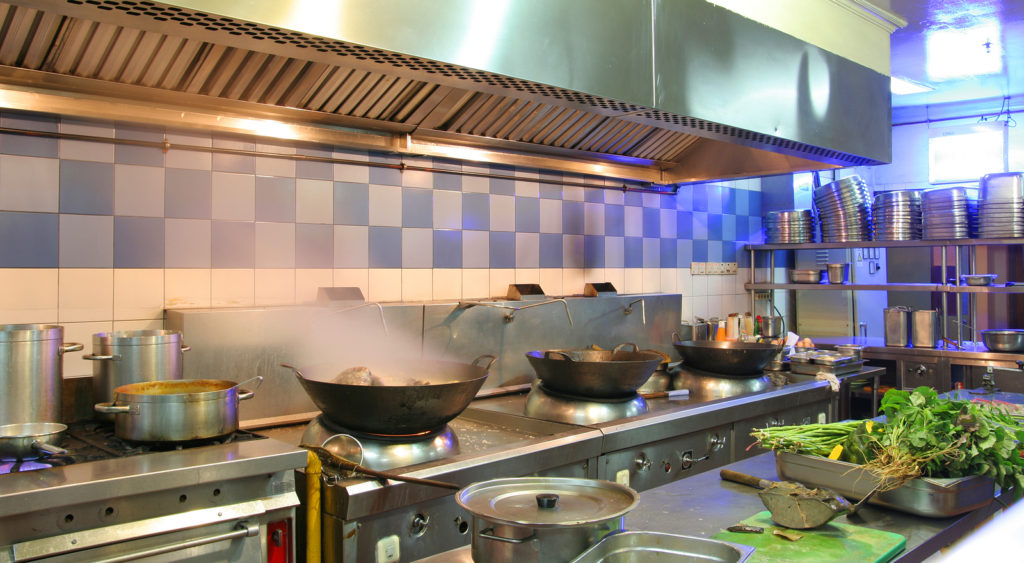
There is an ongoing industry debate on whether aluminum or stainless steel is better for restaurant kitchen and factory settings. Both metals have useful properties that can be advantageous when applied to the commercial food preparation industry, however, as a commercial kitchen owner, the choice is ultimately a personal one.

Continue reading to learn some beneficial attributes of stainless steel and aluminum so that you may decide which one best suits your commercial or industrial food preparation needs.

We Buy Restaurant Scrap Metal!  317-244-0700
We Buy Restaurant Scrap Metal! 317-244-0700

Aluminum

Aluminum is found on the periodic table with the symbol “Al” and atomic number 13. It has a silvery white finish, and mostly admired for its magnetic and ductile (good heat conductivity) properties. This makes aluminum a ferrous metal, meaning it contains iron. Compared to stainless steel, aluminum has higher oxidation and corrosion resistance properties, and is very light in weight.

All of these attributes makes it a well-suited match for kitchen back splashes, counter tops, food preparation surfaces, factory processing equipment, and more. On the other hand, one of the most discussed disadvantages of aluminum is its lack of malleability, which means it is difficult to form and typically cracks under pressure. For this reason, it is not usually recommended for countertops or factory settings.

Stainless Steel

Because stainless steel is made using a combination of nickel, magnesium, chromium copper and iron, it is a very strong and durable alloy that contains several properties that deliver a wide range of benefits. Although its chromium content makes it highly resistant to corrosion and oxidation, if the surface is scratched, it can develop rust.

The 304 series is the most common version of stainless steel used in the restaurant and food industry because it is highly resistant to corrosion. It is common to see components like kitchen sinks, food processing equipment, steam table pans, and more, made of 304 series stainless steel.

Comparing the Two:

🏭 As for strength and weight, steel is stronger and weighs more. Aluminum is only one-third the weight of stainless steel, but this is why it is top-choice for automotive and aerospace manufacturing.

🏭 Both metals are highly-resistant to corrosion, but since stainless steel is non-porous, it is more resistant than aluminum.

🏭 Both metals are also good thermal and electrical conductors, but aluminum retains higher thermal conductivity. This is why it is used to manufacture things like car radiators and air conditioner units.  

🏭 In terms of malleability, aluminum is better. It is much softer and easier to work with compared to stainless steel. In contrast, stainless steel is much easier to weld than aluminum.

🏭 In terms of market price, aluminum is a lot cheaper.

How to Get Paid for Scrap Aluminum and Steel Equipment in Indiana

If you would like to sell scrap metal restaurant equipment in Indiana, call Zore’s Recycling at 317-244-0700 today! We pay the highest returns for all metals based on current market prices, including aluminum, steel, iron, ferrous, non-ferrous, and more. Whether you have broken down appliances or an old countertop system, our scrap metal buyers will pay you top-dollar! Request a free estimate, today.

What is Medium Carbon Steel Used For?

Medium carbon steel is a grade of ferrous metal, meaning that it contains iron. There are vast applications, and thus, benefits, of this highly ductile and strong alloy. Continue reading to learn more about medium-carbon steel, including its most common applications, and what you can do with your leftover scrap metal.

Steel Metal Buyers
Steel Metal Buyers 317-244-0700

Medium Carbon Steel

Medium carbon steel is made by adding between 0.3% and 0.7% carbon to steel. In addition to adding carbon, the process of quenching and tempering is used to create this mid-range steel product, which involves heating and cooling the steel, and then softening it to produce a steady tensile strength throughout, referred to as Martensite.

Medium carbon steel is often sought out for applications that require high-tensile strength and ductility. Here are some of the top industries you will find the use of this mid-range steel product:

☑ Structural Steel

One of the top uses for medium carbon steel is to create other steel commodities for the construction of buildings, bridges, and roadways. Common products include steel beams, joints, joiner plates, and more.

☑ Pressured Structures

Another common use for medium-carbon steel are pressured structures due to its high ductility properties. Pressure structures refer to commodities that use hot, high-pressure steam or water, such as boilers, pressurized tanks, water heaters, and more.

☑ Shafts and Gearing

If familiar, you will notice that automotive and mechanical products are often manufactured with medium carbon steel, namely shafts and gear system components. Some examples might include axle shafts, crankshafts, gearing plates, and more.

☑ Railway Applications

The railway system strongly relies on medium carbon steel for several applications, from manufacturing and engineering, to maintenance, safety, and more. Some common applications include railway wheels, tracks, suspensions, and all other metal-components involved in the railway’ suspension.

Where to Sell Scrap Steel in Indy

Call Zore’s Recycling at 317-244-0700 to recycle metal in Indianapolis, Indiana. Not only has Zore’s Inc. been a family owned and operated company for over 75 years, we pay cash on the spot for your metal commodities. We accept cans, sheet metal, appliances, vehicles, auto parts, equipment, and more! Request a free estimate, today.

How Much Can I Get for Low Alloy Punchings?

Low alloy steel is a beneficial material because it retains specific chemical compositions that deliver improved mechanical properties compared to conventional mild or carbon steel materials. When such steel is pushed through a punch press production line, punching scraps are created as a result of the punch press puncturing a hole through the sheet metal. These scrap pieces are gathered in a die, where they can be later collected and recycled. As one of the most cost-effective methods for fashioning holes in sheet metal in a high volume metal production process, scrap alloy punchings are a common residual material that happens to still contain a nominal amount of value.

Continue reading to learn more about low-alloy scrap steel punchings, including their current market price and where to sell them in Indiana.

Indianapolis Metal Recycling Center 317-244-0700

General Composition

Low-alloy scrap metal punchings can range in composition. However, the industry-accepted definition states that they should contain no more than 0.4% manganese and no less than 0.05 to 0.06% chromium. Furthermore, all such punchings are produced at 12 inches, and always under certain specifications decreed by the Institute of Scrap Recycling Industries.

Average Value

The current scrap metal prices for low-alloy punchings is $280 per gross tonnage (GT). However, this price not only fluctuates, it varies depending on several factors. These factors will be the ultimate influence over how much you profit from your scrap metal punchings. If you have additional scrap steel, this might help you render a fuller profit at an Indianapolis scrap metal recycling center or local scrap metal buyer.

Contact a Metal Recycling Company for a Quote

Call Zore’s Recycling at 317-244-0700 to recycle steel in Indianapolis, Indiana. Not only has Zore’s Inc. been a family owned and operated company for over 75 years, we pay cash on the spot for your metal commodities. We accept cans, sheet metal, appliances, vehicles, auto parts, equipment, and more! Request a free estimate, today.

A Comparison of Ferrous and Nonferrous Metals

Ferrous and nonferrous metals are used in endless industries for thousands of purposes. Many people wonder what the difference between ferrous metals and nonferrous metals, and why that difference means in terms of their use. If you are interested in learning more about ferrous metal and the types that exist, you are in the right place.

Continue reading and learn the definitions and types of nonferrous and ferrous metals found all across the world.

Scrap Metal Recycling Indianapolis Indiana 6
We Buy Ferrous and Non-Ferrous Scrap Metal! 317-244-0700

Ferrous Metals

Simply put, ferrous metal is any metal that contains iron or steel. Things like construction scaffolding, automobiles, buildings, power tools, and more are made from ferrous metals. Carbon steel, stainless steel, cast iron, wrought iron, mild steel, and any other forms of steel and iron are examples of ferrous metals. Metal such as stainless steel are not entirely composed of iron and steel. It also contains nickel and chromium. In contrast, wrought iron is made of nearly 100 percent iron.

Ferrous metal is very strong and durable and even retains magnetic properties. This is why it is used to manufacture or construct things that can resist corrosion and remain strong and stable. It is used to make everything from skyscrapers to drill bits, and more. Large-scale piping, cars, trucks, yachts, planes, construction and farming equipment, motors, industrial containers, rail roads, and more are common large-scale commodities built from ferrous metals. Smaller items include everything from kitchen knives, to power tools, electrical appliances, and more.

Nonferrous Metals

Also simply put, nonferrous metal is metal that does not contain iron or steel compounds. Metals like copper, nickel, aluminum, brass, lead, tin, zinc, and more are all examples of nonferrous metals. Also, precious metals are nonferrous; such as gold, chromium, tungsten, silver, zirconium, mercury, cobalt, bismuth, cadmium, beryllium, and more. 

Nonferrous metals are used for their malleability and versatility.  They also have a higher resistance to rust and corrosion because they do not contain any iron compounds.  Jewelry, electrical wiring, canning, window frames, road signs, electrical fittings, pipe work, batteries, roofing, and millions of other items are made from nonferrous metal materials.

One of the easiest ways to determine if something contains ferrous metal is to hold a magnet to it. If the magnet sticks, it is made with ferrous metals like iron and steel. If the magnet does not stick, then it is made mostly or entirely of nonferrous metals like copper or aluminum. If the magnet pulls slightly but does not stick or stay, it is likely that the item is made from both ferrous and nonferrous metals.

How to Recycle Metal for Cash in Indianapolis

Call Zore’s Recycling at 317-244-0700 to recycle scrap metal and make some fast money at the same time. We are a professional Indianapolis scrap metal recycling center that accepts and recycles all metals in any condition. Best of all, we pay cash on the spot for them! Recycle all sorts of stuff, including sheet metal and beams, cars, boats, construction equipment, power tools, old electronics, and more! Request a free estimate, today.

How to Recycle Ferrous and Non-Ferrous Metal

If you are interested in contributing to the preservation of our Earth’s natural resources, all you have to do is start recycling! Many materials can be recycled, including plastic and paper; but one of the most important elements to repurpose is metal. All metal fits into one of two categories: ferrous and nonferrous. Regardless of your metal commodities, they can both be recycled and reused, over and over again.

Continue reading to learn more about ferrous and non-ferrous metals, including how to recycle them!

Metal Recycling Center 317-244-0700

Metal Recycling Center 317-244-0700


Ferrous metals are metals such as steel and iron. This includes scrap metal from cars, food cans, appliances, and more. This type of scrap metal is always high in demand, and continues to grow exponentially each year. Nonferrous scrap metal is made from the waste of metals like aluminum, copper, brass, lead, titanium, nickel, and more.

How to Tell the Difference

In order to distinguish ferrous from non-ferrous metals is to perform a manual test. To perform this test, all you need is a strong magnet. You see, as mentioned, ferrous metals retain magnetic qualities, and non-ferrous metals do not. So if a magnet sticks to your metal, it contains iron, which also means it is ferrous metal. If the magnet does not attract, the metal does not contain iron, which means it is non-ferrous.

Ferrous Metals:

Stainless Steel
Iron
Carbon Steel
Mild Steel
Cast/Wrought Iron
Iron

Non-Ferrous Metals:

Copper
Aluminum
Brass
Lead
Tin
Titanium
Zinc
Nickel

Non-Ferrous Precious Metals:

Gold
Silver
Platinum

Exotic Non-Ferrous Precious Metals:

Cobalt
Bismuth
Beryllium
Zirconium
Cadmium
Mercury
Tungsten

How to Recycle Metal in Indianapolis

Indianapolis Metal Recycling 317-244-0700

Indianapolis Metal Recycling 317-244-0700

Call Zore’s Recycling at 317-244-0700 to recycle metal in Indianapolis, Indiana. Not only has Zore’s Inc. been a family owned and operated company for over 75 years, we pay cash on the spot for your metal commodities. We accept cans, sheet metal, appliances, vehicles, auto parts, equipment, and more! Request a free estimate, today.

The Three Definitions of a Base Metal

Base metals are primarily found in the jewelry industry, but are also quite prevalent in various other manufacturing industries. Continue reading to learn how base metals are defined, which metals fall under this category, and more.

Metal Recycling Center 317-244-0700

Metal Recycling Center 317-244-0700

Base Metals Defined

Technically, there is not just one definition of a base metal. In fact, there are three definitions, and each one is exercised depending on the application of the metal. The most popular and common definition of base metals are those that are not noble nor precious in nature. Noble metals and precious metals are quite similar, and also have multiple definitions and applications. To better understand the meaning of a base metal, you will need to review the basic meanings of noble and precious metals first.

Noble Metals

Noble metals include both precious and non-ferrous metals. Non-ferrous metals do not contain iron, so they are resistant to several elements and subsequent damage, including humidity, chemicals, oxidation, and more. Precious metals are naturally-occurring and retain higher economic value. Noble metals are metals that are resistant to corrosion and oxidation in moist conditions, namely humidity.

Copper is the only non-precious metal that is also a noble metal by the actual physics definition. But this is arguable since copper is vulnerable to both corrosion and oxidation. Other examples of noble metals include copper, gold, silver, iridium, platinum, rhodium, rhenium, palladium, ruthenium, osmium, mercury.

Precious Metals

A precious metal is any pure metal that is rare and occurs naturally in the environment. They are made up of natural chemical elements that retain high economic value. From a chemical standpoint, precious metals do not react as much as other elements do; in fact, they are usually ductile. Precious metals are high in luster and shine; which made them popular forms of currency in historical times. In today’s society, precious metals are viewed more as an investment or industrial commodity.

The most universally known precious metals are the chief coinage metals, gold and silver. Other examples of precious metals include platinum, rhodium, palladium, ruthenium, osmium, zirconium, beryllium, cadmium, bismuth, tungsten, selenium, mercury, cobalt, and germanium.

Secondary and Tertiary Definitions

Another common definition of base metals are metals that are a prime metallic element in an alloy. For example, bronze metal is mostly made up of copper, so copper would be the base metal of bronze. A third definition sometimes used to define base metals is the metal core underlying a coating. For example, nickel has been plated with iron or brass throughout history. In another example, galvanized steel is often coated with zinc.

The most commonly considered base metals are copper, tin, aluminum, nickel, zinc, and lead. However, according to the United States Customs and Border Protection, iron, steel, aluminum, molybdenum, tungsten, and several other “transition metals” are also considered base metals.

Recycle Scrap Metal for Cash!

Indianapolis Metal Recycling 317-244-0700

Indianapolis Metal Recycling 317-244-0700

If you have scrap metal laying around, sell it to Zore’s Recycling for cash on the spot! We accept all metals and metal commodities, including sheet metal, piping, electrical wiring, motorized vehicles, auto parts, construction equipment, major appliances, power tools, watercrafts, and more. We are the scrap metal recycling center Hoosiers trust. Call 317-244-0700 for a free offer for your scrap metal in Indianapolis, Indiana.

Is Brass Metal the Same as Bronze?

At first glance, brass and bronze look virtually identical. In fact, it takes a bit of investigation to truly identify whether or not a piece of metal is actually bronze or brass. There are notable differences between the two metals, making them not the same. Continue reading to learn the difference between brass and bronze metal.

Brass Recycling 317-244-0700

Brass Recycling 317-244-0700

Brass

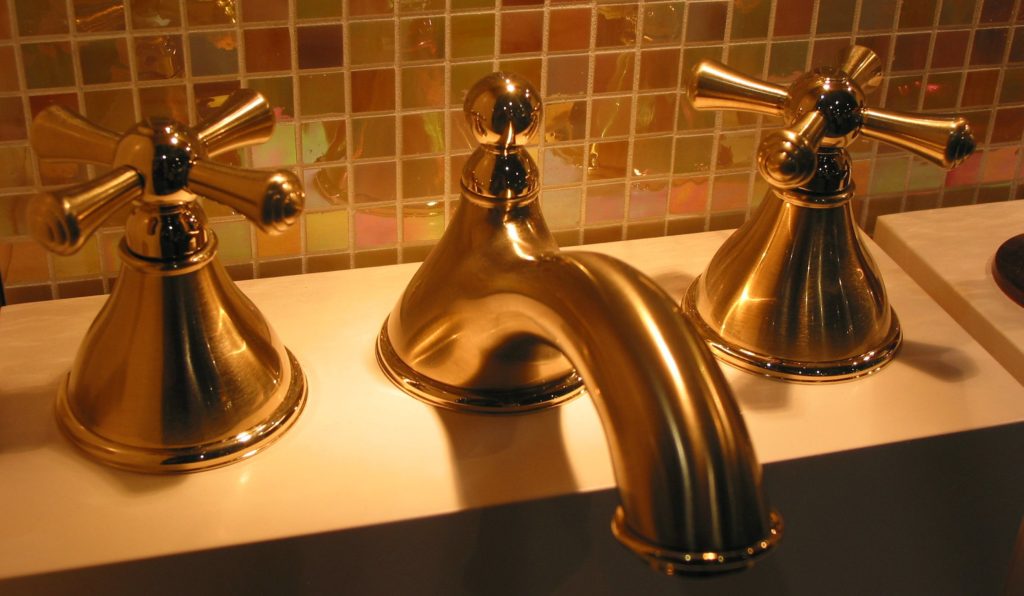
Brass is a non-ferrous, non-magnetic alloy metal, meaning it does not contain any iron, but it does contain more than one type of metal. It is commonly used in the plumbing industry, mostly as pipe joints, turnings, shells, fixtures, and faucets. The most common metals that make up brass are copper and zinc. So when people are separating their metal piles, they often make the mistake of throwing brass components into the “yellow metal” pile, when they could be adding them to their more valuable, “red metal” pile. Copper is a red metal, while zinc is silver. Together, they make up brass, which generally has an orange, yellowish hue that ranges in color and richness. Brass is stronger and more durable than copper and zinc alone. The amount of each metal in brass varies, but most often, brass is made up of 60 to 80 percent copper, and 20 to 40 percent zinc.

Bronze

Bronze is an interesting metal because it is rarer than brass, making it more valuable. It is a non-ferrous alloy metal that is heavier and has a higher copper content, generally between 80 and 90 percent. For this reason, bronze is more reddish in color. It is a popular metal for several types of plumbing applications, as well as, water meters, statutes, monuments, and metal decor.

The Difference

The major difference between brass and bronze is the copper content. Brass has less copper, making it more yellow in color and giving it different properties. Bronze has higher copper content, making it redder in color and also giving it separate properties. To identify the exact breakdown of copper and zinc, you would need an XRF metal analyzer device, which is extremely expensive and mostly bought and used by large scrap metal companies. However, to simply tell them apart, you can file down the initial coat of metal to see which color is revealed the most: yellow or red.

Sell Your Brass and Bronze Metal to Zore’s Recycling

Indianapolis Metal Recycling 317-244-0700

Indianapolis Metal Recycling 317-244-0700

Call Zore’s Recycling at 317-244-0700 to recycle scrap metal in Indianapolis, Indiana for cash on the spot. We offer the fairest payouts for scrap metal, junk cars, and much more. From sheet metal and appliances, to cars, trucks, electronics, and more, we accept a vast variety of metals and commodities, and we pay cash on the spot!

Fun Facts About Aluminum

Aluminum is not just the foil you use for cooking. It is so much more than that! Aluminum metal has a lot to offer society, as has been bestowing its advantages upon us for hundreds of years. In fact, the use of aluminum dates back all the way to the early 19th century! Continue reading to learn some more interesting and fun facts about aluminum!

Aluminum Recycling 317-244-0700

Aluminum Recycling 317-244-0700

Here are a Few Aluminum Facts You Might Not Know…

🌐 Its atomic symbol is AI, and its atomic number is 13.

🌐 It has a melting point of 1,220.58 degrees Fahrenheit.

🌐 It is the 3rd most abundant mineral on Earth, right behind oxygen and silicon.

🌐 It is the most abundant naturally-occurring mineral on the planet.

🌐 It makes up nearly 8% of the Earth’s crust.

🌐 It is present in over 270 minerals.

🌐 It reflects roughly 92% of light, and 98% in infrared rays.

🌐 Aluminum was first extracted from Earths core in 1825 by Danish chemist, Hans Christian Oersted.

🌐 It is the most-used non-ferrous metal used in the entire world.

🌐 Australia is the world’s leading aluminum manufacturer.

🌐 It is lightweight; one third the weight of steel and copper.

🌐 It is resistant to corrosion.

🌐 There are hundreds of aluminum alloys; the most common include zinc, copper, silicon, magnesium, and manganese.

🌐 It is found in thousands of products and commodities, from soda cans and cell phones, to cars, airplanes, and more.

🌐 A standard Boeing-747 contains an average of 147,000 pounds of aluminum.

🌐 The top of the Washington Monument is made of an 8.9 inch aluminum cap.

🌐 “White Dross” is the term used for the byproduct produced by producing and reprocessing aluminum.

🌐 It only takes 5% of the energy used to extract new aluminum, to recycle it.

🌐 Aluminum is virtually 100% recyclable!

🌐 Thanks to recycling, virtually 75% of the aluminum ever made is still used to this very day.

Indianapolis Aluminum Recycling

Indianapolis Metal Recycling

Indianapolis Metal Recycling 317-244-0700

Call Zore’s Recycling at 317-244-0700 to receive a free quote for your scrap aluminum materials. We pay cash on the spot for all scrap metal and metal-containing commodities, like appliances, vehicles, construction equipment, watercrafts, and more. If you have questions about recycling aluminum cans and bottles, we are the professionals to trust for accurate and honest answers. Call 317-244-0700 to get started today.

How to Clean Rusty Stainless Steel

Metal Recycling Center 317-244-0700

Metal Recycling Center 317-244-0700

If you own anything stainless steel, you probably want it to stay shiny and new-looking. But rust is a common problem for metal, and must be removed quickly in order to stop further corrosion to your stainless steel devices, décor, and appliances. Fortunately, rust is simple to remove from stainless steel. All you need is a little time, a bit of knowledge, and a few inexpensive supplies. Continue reading for a quick guide to cleaning rusty stainless steel.

What You Need:

Clean Water
Baking Soda
Soft Cloth
Soft-Bristled Brush
Paper Towels

Small Areas of Rust

➀ Start by combining 1 tablespoon of baking soda with 2 cups of water. Mix them together until it forms a paste. Keep in mind that baking soda is safe for stainless steel. It is the perfect product to use for gentle, chemical-free cleaning.

➁ Using your soft cloth, apply the paste onto the affected area. Use small circular motions in the direction of the grain. It is important to always wipe in the same direction as the stainless steel grain.

➂ Finish by wiping the area clean with a damp paper towel. Repeat in all other small rusty areas.

Large Areas of Rust

❶ Start by rinsing the entire area clean with a damp paper towel.

❷ Next, sprinkle baking soda directly on top of the affected area. If the area is vertical, do your best to coat it lightly with baking soda.

❸ Allow the baking soda to sit for 30 minutes to an hour.

❹ After time is up, use your soft bristled brush to scrub the baking soda into the affected area. You can use an old toothbrush if you do not have a soft bristled brush.

❺ Rinse the area with a damp paper towel. And then pat dry with a dry paper towel.

❻ If you have stainless steel that is too rusty to clean, sell it for cash! Contact your local scrap metal recycling center to sell your junk stainless steel for cash on the spot!

Indianapolis Metal Recycling

Indianapolis Metal Recycling

Indianapolis Metal Recycling 317-244-0700

Call Zore’s Recycling at 317-244-0700 to recycle stainless steel in Indianapolis, Indiana. We pay cash on the spot for all junk and scrap metal, including iron, steel, copper, platinum, and more! Recycle junk cars, boats, motorcycles, appliances, electronics, and construction equipment, and make some great money at the same time. Call 317-244-0700 to learn more about Indianapolis metal recycling services, today.