Is Aluminum or Stainless Steel Better for Commercial Kitchens?

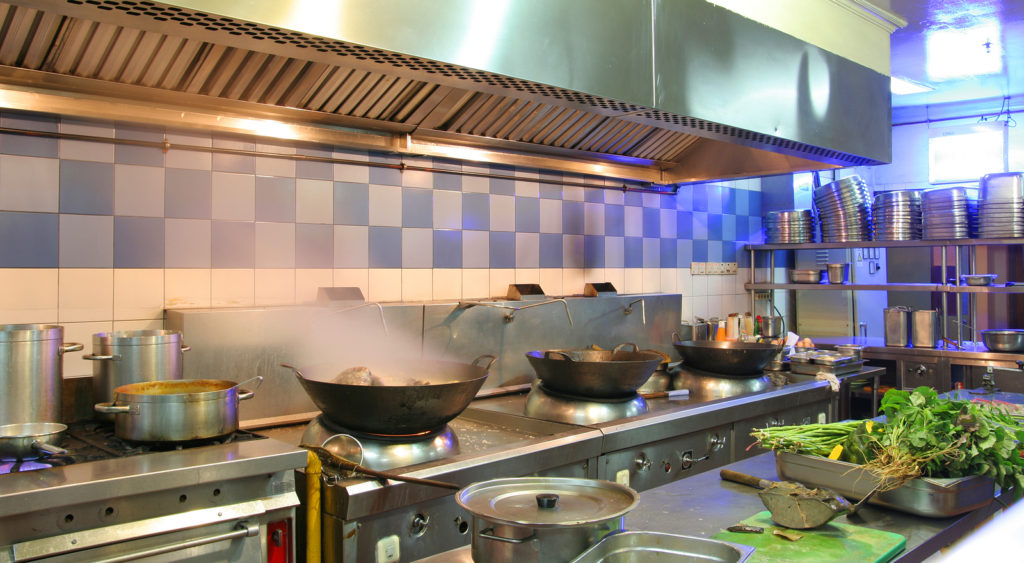
There is an ongoing industry debate on whether aluminum or stainless steel is better for restaurant kitchen and factory settings. Both metals have useful properties that can be advantageous when applied to the commercial food preparation industry, however, as a commercial kitchen owner, the choice is ultimately a personal one.

Continue reading to learn some beneficial attributes of stainless steel and aluminum so that you may decide which one best suits your commercial or industrial food preparation needs.
We Buy Restaurant Scrap Metal!  317-244-0700
We Buy Restaurant Scrap Metal! 317-244-0700

Aluminum

Aluminum is found on the periodic table with the symbol “Al” and atomic number 13. It has a silvery white finish, and mostly admired for its magnetic and ductile (good heat conductivity) properties. This makes aluminum a ferrous metal, meaning it contains iron. Compared to stainless steel, aluminum has higher oxidation and corrosion resistance properties, and is very light in weight.

All of these attributes makes it a well-suited match for kitchen back splashes, counter tops, food preparation surfaces, factory processing equipment, and more. On the other hand, one of the most discussed disadvantages of aluminum is its lack of malleability, which means it is difficult to form and typically cracks under pressure. For this reason, it is not usually recommended for countertops or factory settings.

Stainless Steel

Because stainless steel is made using a combination of nickel, magnesium, chromium copper and iron, it is a very strong and durable alloy that contains several properties that deliver a wide range of benefits. Although its chromium content makes it highly resistant to corrosion and oxidation, if the surface is scratched, it can develop rust.

The 304 series is the most common version of stainless steel used in the restaurant and food industry because it is highly resistant to corrosion. It is common to see components like kitchen sinks, food processing equipment, steam table pans, and more, made of 304 series stainless steel.

Comparing the Two:

🏭 As for strength and weight, steel is stronger and weighs more. Aluminum is only one-third the weight of stainless steel, but this is why it is top-choice for automotive and aerospace manufacturing.

🏭 Both metals are highly-resistant to corrosion, but since stainless steel is non-porous, it is more resistant than aluminum.

🏭 Both metals are also good thermal and electrical conductors, but aluminum retains higher thermal conductivity. This is why it is used to manufacture things like car radiators and air conditioner units.  

🏭 In terms of malleability, aluminum is better. It is much softer and easier to work with compared to stainless steel. In contrast, stainless steel is much easier to weld than aluminum.

🏭 In terms of market price, aluminum is a lot cheaper.

How to Get Paid for Scrap Aluminum and Steel Equipment in Indiana

If you would like to sell scrap metal restaurant equipment in Indiana, call Zore’s Recycling at 317-244-0700 today! We pay the highest returns for all metals based on current market prices, including aluminum, steel, iron, ferrous, non-ferrous, and more. Whether you have broken down appliances or an old countertop system, our scrap metal buyers will pay you top-dollar! Request a free estimate, today.
Can I Recycle My Old Boat?

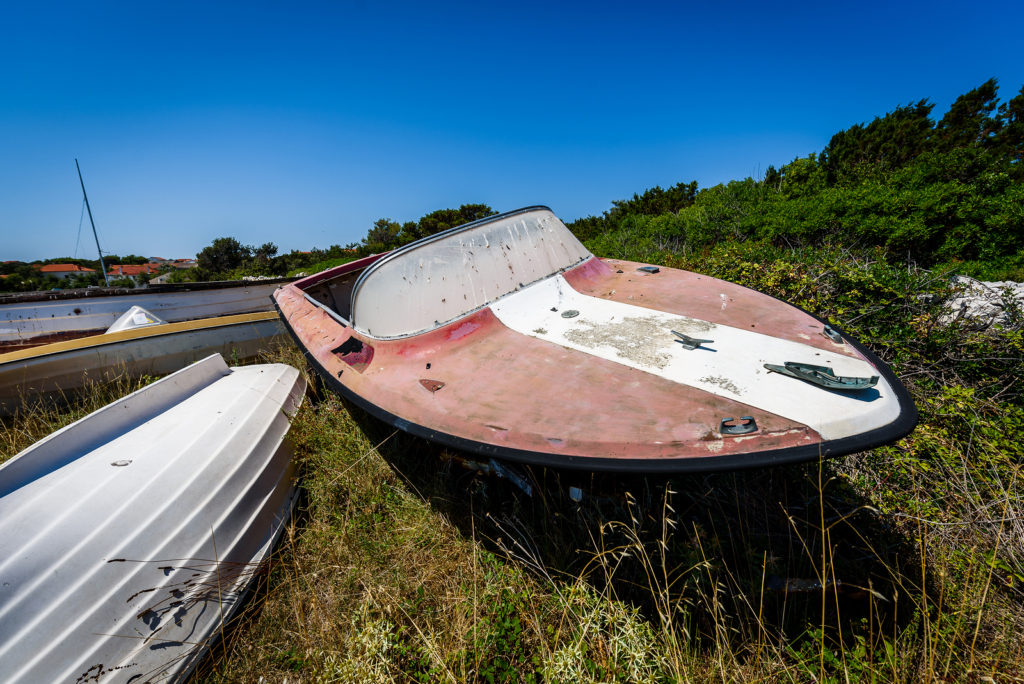
If you have a bit of hoarder in you, it might be hard to let go of your old stuff. When it comes to larger commodities, like boats, the urge to keep them around can be even stronger. After all, it seems like such a waste to just throw a boat in the garbage, even if it doesn’t serve any useful purpose anymore. \

Fortunately, you can find the motivation, or at least, persuasion, to get rid of an old boat by understanding your various options for doing so. To make the decision easier, it might help to choose the recycling route. This way, not only are you freeing up space on your property by eliminating unwanted junk, you are contributing to the preservation of our environment. Best of all, some recycling centers pay cash for large metal scrap.

Continue reading to learn how to recycle an old or broken boat, and make a few bucks at the same time.

Metal Recycling Center 317-244-0700

Boat Recycling

To get started with recycling a boat, your first step is to find a reputable scrap metal recycling business. But beware; there are thousands of businesses to choose from, and most are not qualified to reprocess large metal scrap safely and up to code, nor do they have the assets and resources to provide fair payouts and convenient services.

So in order to find a reputable scrap metal recycling center near you, be sure to look the right credentials and qualities. This includes experience, licensing, technology, and profit. It is wise to choose a company that not only pays for scrap metal, but retains the proper resources to take it off your hands at no extra charge.

Once you find a scrap metal buyer, your next step is to have your boat assessed for an estimate. From there, all you have to do is accept their offer and wait for them to pick up your boat. You might be required to provide a title or document of ownership prior to recycling your boat. If the title is lost, stolen, or destroyed, refer to your local BMV for details on how to replace a boat title.

What to Expect as Payment

The amount of money your junk boat is worth depends on the current metal prices and several other factors. You can expect to get anywhere from $50 to $500, depending on the make, model, age, condition, size, and more. If your boat has a motor that still runs, you can expect to make more than if you are just recycling a hull. Fortunately, most scrap metal recycling companies offer free estimates, so you can make a decision as your own pace.

Who to Call for Professional Boat Recycling in Indy

Call Zore’s Recycling division at 317-244-0700 to recycle a boat in Indianapolis, Indiana for cash. We have been a family owned and operated company for over 75 years, and continue to make customer satisfaction our number one goal in our metal recycling division. And to make recycling easier for you, we offer several customer conveniences at no extra charge! Request a free estimate, today.

What is Medium Carbon Steel Used For?

Medium carbon steel is a grade of ferrous metal, meaning that it contains iron. There are vast applications, and thus, benefits, of this highly ductile and strong alloy. Continue reading to learn more about medium-carbon steel, including its most common applications, and what you can do with your leftover scrap metal.

Steel Metal Buyers
Steel Metal Buyers 317-244-0700

Medium Carbon Steel

Medium carbon steel is made by adding between 0.3% and 0.7% carbon to steel. In addition to adding carbon, the process of quenching and tempering is used to create this mid-range steel product, which involves heating and cooling the steel, and then softening it to produce a steady tensile strength throughout, referred to as Martensite.

Medium carbon steel is often sought out for applications that require high-tensile strength and ductility. Here are some of the top industries you will find the use of this mid-range steel product:

☑ Structural Steel

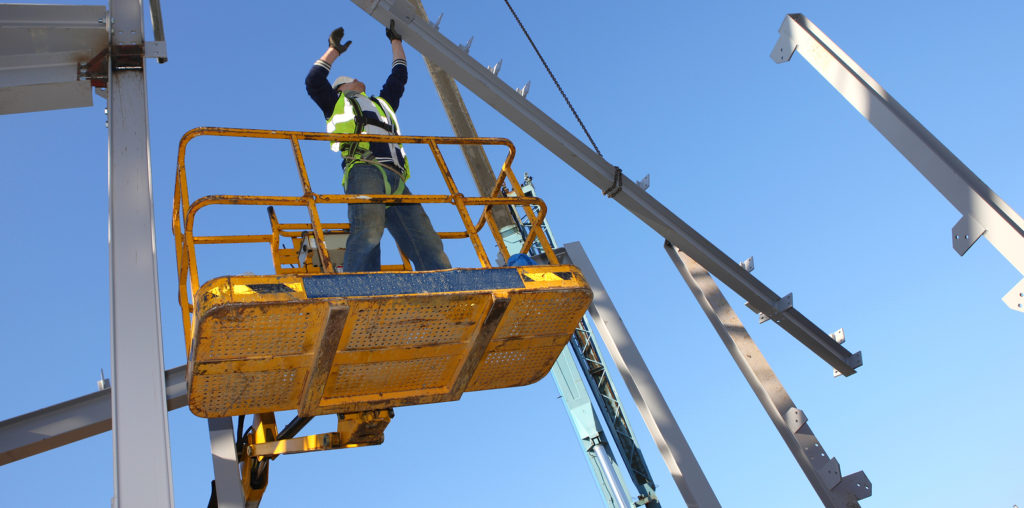
One of the top uses for medium carbon steel is to create other steel commodities for the construction of buildings, bridges, and roadways. Common products include steel beams, joints, joiner plates, and more.

☑ Pressured Structures

Another common use for medium-carbon steel are pressured structures due to its high ductility properties. Pressure structures refer to commodities that use hot, high-pressure steam or water, such as boilers, pressurized tanks, water heaters, and more.

☑ Shafts and Gearing

If familiar, you will notice that automotive and mechanical products are often manufactured with medium carbon steel, namely shafts and gear system components. Some examples might include axle shafts, crankshafts, gearing plates, and more.

☑ Railway Applications

The railway system strongly relies on medium carbon steel for several applications, from manufacturing and engineering, to maintenance, safety, and more. Some common applications include railway wheels, tracks, suspensions, and all other metal-components involved in the railway’ suspension.

Where to Sell Scrap Steel in Indy

Call Zore’s Recycling at 317-244-0700 to recycle metal in Indianapolis, Indiana. Not only has Zore’s Inc. been a family owned and operated company for over 75 years, we pay cash on the spot for your metal commodities. We accept cans, sheet metal, appliances, vehicles, auto parts, equipment, and more! Request a free estimate, today.

How Much Can I Get for Low Alloy Punchings?

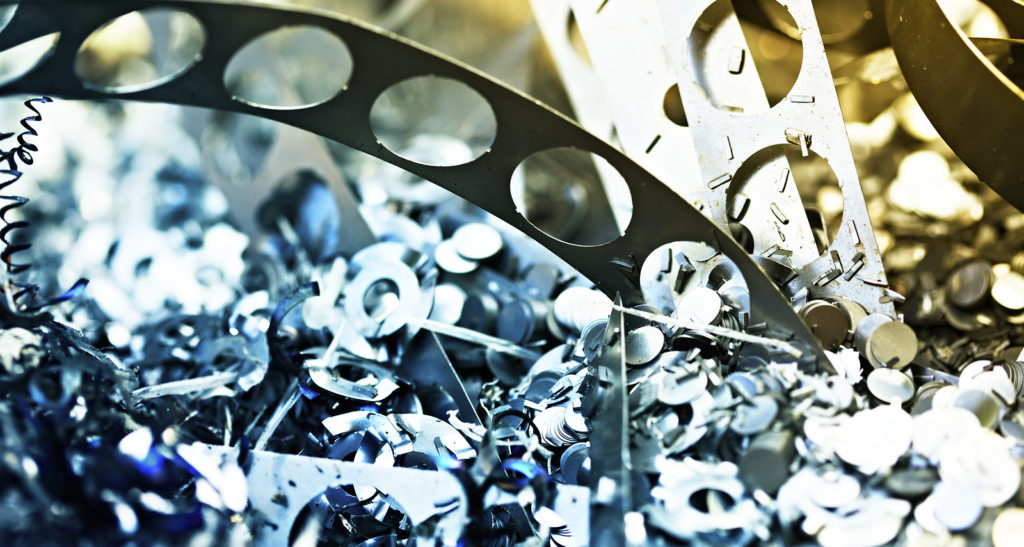
Low alloy steel is a beneficial material because it retains specific chemical compositions that deliver improved mechanical properties compared to conventional mild or carbon steel materials. When such steel is pushed through a punch press production line, punching scraps are created as a result of the punch press puncturing a hole through the sheet metal. These scrap pieces are gathered in a die, where they can be later collected and recycled. As one of the most cost-effective methods for fashioning holes in sheet metal in a high volume metal production process, scrap alloy punchings are a common residual material that happens to still contain a nominal amount of value.

Continue reading to learn more about low-alloy scrap steel punchings, including their current market price and where to sell them in Indiana.

Indianapolis Metal Recycling Center 317-244-0700

General Composition

Low-alloy scrap metal punchings can range in composition. However, the industry-accepted definition states that they should contain no more than 0.4% manganese and no less than 0.05 to 0.06% chromium. Furthermore, all such punchings are produced at 12 inches, and always under certain specifications decreed by the Institute of Scrap Recycling Industries.

Average Value

The current scrap metal prices for low-alloy punchings is $280 per gross tonnage (GT). However, this price not only fluctuates, it varies depending on several factors. These factors will be the ultimate influence over how much you profit from your scrap metal punchings. If you have additional scrap steel, this might help you render a fuller profit at an Indianapolis scrap metal recycling center or local scrap metal buyer.

Contact a Metal Recycling Company for a Quote

Call Zore’s Recycling at 317-244-0700 to recycle steel in Indianapolis, Indiana. Not only has Zore’s Inc. been a family owned and operated company for over 75 years, we pay cash on the spot for your metal commodities. We accept cans, sheet metal, appliances, vehicles, auto parts, equipment, and more! Request a free estimate, today.
Is it Easy to Recycle Metal in Indianapolis?

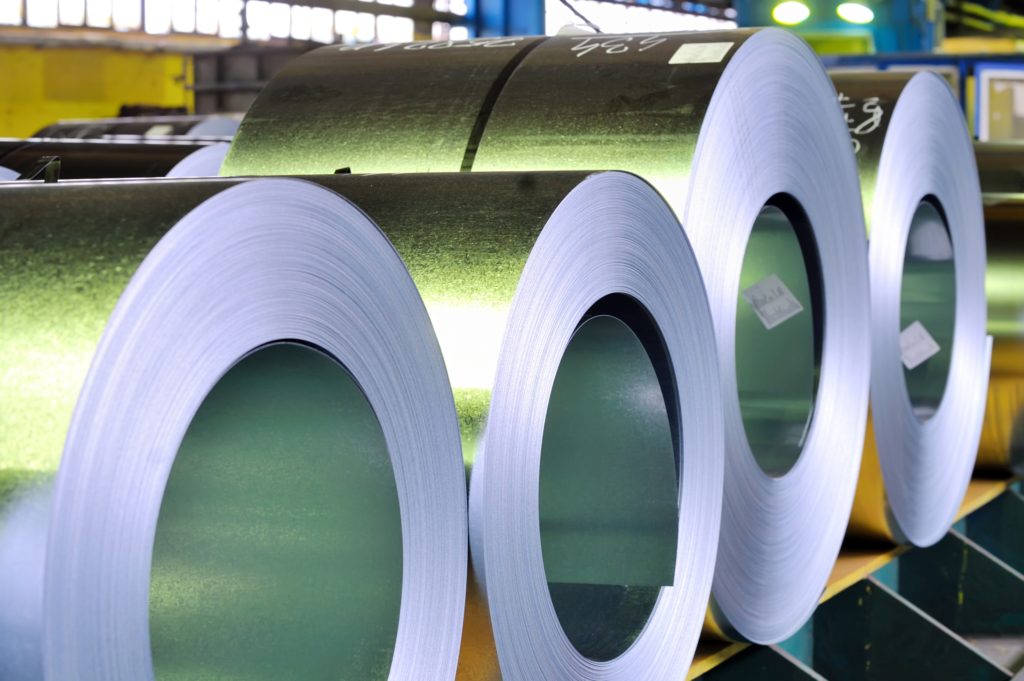
If you have a cargo of scrap metal on your hands, you should be pleased knowing you’ll will soon be able to turn a profit and relieve yourself of unwanted junk. The first step to recycling metal is taking inventory of the commodities you have to sell. Keep in mind that the larger the freight, the more profit it will render because the price of scrap metal is calculated by weight. However, these prices are always changing, and fluctuate depending on a number of factors.

If the concern of inconvenience is holding you back from getting into the metal recycling industry, you will be pleased to learn that it has never been easier! Continue below to learn which metals can be recycled, how to get started, and who to call for the highest payouts in Indianapolis!

Metal Recycling Center 317-244-0700

Advantages of Metal Recycling

There are numerous advantages to scrap metal recycling. Cash returns, reusing old goods, and protecting the environment are examples of how recycling metal and other materials can be beneficial.  There are various types of alloys that can be reprocessed, so finding some to turn in can be easy.  Take some time to learn about these metals if you plan to do some recycling soon. 

Recyclable Metals

There are many types of metals that can be recycled and reused, all of which are grouped into two different categorizations: non-ferrous and ferrous. Non-ferrous metals do not contain any iron; whereas, ferrous metals do. See our blog, “A Comparison of Ferrous and Nonferrous Metals” to learn more about these two vital metal classifications. It is important to explore the facilities that buy scraps of metal in your area, and what types they accept for cash.  Some facilities do not offer iron alloy reprocessing services.  It all depends on the company and their intentions.

Non-iron alloys are the most popular to recycle because they are easy to haul in, and easy for the company to reuse.  Some examples of such metals include aluminum, copper, tin lead, zinc, nickel, and titanium. Even some alloys, such as brass, are categorized as non-ferrous.  Some commodities that are made up from these minerals include batteries, soda cans, catalytic converters, compressors, and car wheels. The most popular recycled ferrous metal is steel, which is a carbon-containing iron alloy.

Metal Recycling Tips

If you want to do your part and begin recycling within your community, the best place to start is right at home. Keep in mind the things you often use in your home already that are made of metal that can be recycled. Items such as soda cans, appliances, tools, tin foil, jewelry, and batteries are common metal goods people use every day. See our blog, “Where to Look for Sellable Scrap Metal in Your Home” to learn more examples.

When completing this years’ spring cleaning checklist, think about these types of materials you would normally consider trash, and recycle them instead.  If you have large appliances you want to get rid of or trash, such as washer and dryers or lawn mowers, call a local recycling center and see if they offer pick up services.  This way you are still doing your part for the environment, without even breaking a sweat!

If you wish to recycle ferrous metals, such as steel, make sure you call ahead to ask a scrap yard if they recycle these kinds of materials.  Some metal salvaging companies will accept prepared and unprepared steel; while others do not have the market to accept steel and iron alloys.

Once you figure out that recycling scrap metal can be easy, there is no end to the environmental contribution you can offer.  There is no need to throw away old appliances, junk cars, pop cans, and other alloy commodities when they can all be reprocessed and reused.  Just like all recycling, scrap metal recycling is infinitely beneficial to our planet.

How to Recycle Metal in Indianapolis

Call Zore’s Recycling at 317-244-0700 to recycle scrap metal and make some fast money at the same time. We are a professional Indianapolis scrap metal recycling center that accepts and recycles all metals in any condition. Best of all, we pay cash on the spot for them! Recycle all sorts of stuff, including sheet metal and beams, cars, boats, construction equipment, power tools, old electronics, and more! Request a free estimate, today.
A Comparison of Ferrous and Nonferrous Metals

Ferrous and nonferrous metals are used in endless industries for thousands of purposes. Many people wonder what the difference between ferrous metals and nonferrous metals, and why that difference means in terms of their use. If you are interested in learning more about ferrous metal and the types that exist, you are in the right place.

Continue reading and learn the definitions and types of nonferrous and ferrous metals found all across the world.

Scrap Metal Recycling Indianapolis Indiana 6
We Buy Ferrous and Non-Ferrous Scrap Metal! 317-244-0700

Ferrous Metals

Simply put, ferrous metal is any metal that contains iron or steel. Things like construction scaffolding, automobiles, buildings, power tools, and more are made from ferrous metals. Carbon steel, stainless steel, cast iron, wrought iron, mild steel, and any other forms of steel and iron are examples of ferrous metals. Metal such as stainless steel are not entirely composed of iron and steel. It also contains nickel and chromium. In contrast, wrought iron is made of nearly 100 percent iron.

Ferrous metal is very strong and durable and even retains magnetic properties. This is why it is used to manufacture or construct things that can resist corrosion and remain strong and stable. It is used to make everything from skyscrapers to drill bits, and more. Large-scale piping, cars, trucks, yachts, planes, construction and farming equipment, motors, industrial containers, rail roads, and more are common large-scale commodities built from ferrous metals. Smaller items include everything from kitchen knives, to power tools, electrical appliances, and more.

Nonferrous Metals

Also simply put, nonferrous metal is metal that does not contain iron or steel compounds. Metals like copper, nickel, aluminum, brass, lead, tin, zinc, and more are all examples of nonferrous metals. Also, precious metals are nonferrous; such as gold, chromium, tungsten, silver, zirconium, mercury, cobalt, bismuth, cadmium, beryllium, and more. 

Nonferrous metals are used for their malleability and versatility.  They also have a higher resistance to rust and corrosion because they do not contain any iron compounds.  Jewelry, electrical wiring, canning, window frames, road signs, electrical fittings, pipe work, batteries, roofing, and millions of other items are made from nonferrous metal materials.

One of the easiest ways to determine if something contains ferrous metal is to hold a magnet to it. If the magnet sticks, it is made with ferrous metals like iron and steel. If the magnet does not stick, then it is made mostly or entirely of nonferrous metals like copper or aluminum. If the magnet pulls slightly but does not stick or stay, it is likely that the item is made from both ferrous and nonferrous metals.

How to Recycle Metal for Cash in Indianapolis

Call Zore’s Recycling at 317-244-0700 to recycle scrap metal and make some fast money at the same time. We are a professional Indianapolis scrap metal recycling center that accepts and recycles all metals in any condition. Best of all, we pay cash on the spot for them! Recycle all sorts of stuff, including sheet metal and beams, cars, boats, construction equipment, power tools, old electronics, and more! Request a free estimate, today.
Tips for Cleaning and Maintaining Brass

Brass is an important alloy because it provides our society with a wide range of advantages, conveniences, and luxuries. From exotic jewelry and fine art, to furniture, musical instruments, plumbing fixtures, building components, and more, brass is a special metal that we want to keep around for as long as possible. One way to achieve this feat is to regularly clean and polish your brass assets using the proper methods and materials.

Continue reading to learn the most important tips for cleaning and maintaining brass, as well as, where to sell your old brass metal for cash on the spot.

Brass Metal Buyers 317-244-0700

Solid Brass or Brass-Plated?

Before getting started, you will first need to confirm if your brass is solid brass or brass-plated. The difference is significant when it comes to cleaning because separate methods are used for each type of brass item. For instance, brass-plated items are more prone to surface damage and scraping, so it is necessary to be gentler with scrubbing and polishing as to not remove the plating. To figure out whether or not your item is solid or plated, use a magnet. If the magnet sticks, you have a brass-plated item. If it does not stick, you can be sure it is solid brass.

If you have plated-brass items that require a cleaning, all you need is hot, soapy water and a cloth. Simply wipe it down and let it dry thoroughly. As for solid brass, the method will involve a few more steps. Look below to learn how to get started.

Cleaning Solid Brass

☛ What You Need

If you want your brass to shine brilliantly as it once did before, you will need a few supplies. Gather up some clean white rags, as well as a few microfiber cloths. It is important to have plenty of clean rags and cloths, so be sure you have more than enough for larger-scale projects. In addition to rags, you will also need a quality commercial cleaner that is safe to use on brass.

If you prefer a chemical-free approach, just go for the ketchup or tomato juice. Ketchup contains tomatoes, which is acidic and works well to clean brass naturally. You can also use lemons, lemon juice, and even cream of tartar! The method you choose will depend on how dirty your brass is.

☛ Getting Started

If your brass is only mildly dirty, you can simply use the same approach as you would for plated-brass; use hot, soapy water and a clean cloth to scrub away the surface blemishes, and then let it dry completely.

If your brass is moderately tarnished or dirty, you will need a more aggressive approach. In this case, you have a few options. Your first option is to use a commercial cleaner, such as Flitz Instant Brass & Copper Tarnish Remover, which is available online for around $13. Simply follow the manufacturer instructions for application.

Your next option is a more natural approach using household ingredients or foods, such as ketchup, tomato juice, lemons, or even cream of tartar. For ketchup, apply it onto the brass using a clean cloth and rub it in, then rinse and dry. For tomato juice, soak the brass item in a bowl for 5 minutes, rinse clean, and then let dry completely.

For lemons, you can either use a lemon half covered in table salt, or lemon juice. For mild blemishes, cut a lemon in half, cover it in salt, gently scrub away the dirt, and then buff the surface with a clean cloth. For more tarnished items, mix two parts cream of tartar with one part lemon juice, then apply the paste and let it sit for 30 minutes. After 30 minutes, rinse clean with warm water and let dry.

🎺 Special Tip: To further protect your brass after cleaning it, polish it with a thin coat of mineral or linseed oil.

Sell Scrap Brass for Cash on the Spot

Indianapolis Metal Recycling 317-244-0700

Call Zore’s Recycling at 317-244-0700 to sell brass metal in Indianapolis, Indiana. We pay top dollar for all metals, regardless of age or condition. We buy vehicles, equipment, sheet metal, electrical wiring, computers, auto parts, power tools, appliances, and much more. And we guarantee to pay you cash on the spot!

The 7 Steps to Metal Recycling

Recycling metal is a vital initiative that every person on Earth should take part in; not only because it helps to preserve our natural resources and reduce the need to mine for new ores, but also because it protects our planet from harmful emissions created by the entire mining and manufacturing enterprise. If you would like to do your part to help our environments sustain healthy stasis for centuries to come, start by creating a simple recycling routine at home or in the office. Collect soda cans, soup cans, food cans, and all other everyday scrap metal commodities, even broken appliances and tools, and then take your collection to a local metal recycling drop off location or scrap yard. You will be helping the environment and making some cash at the same time!

In the meantime, you may be more motivated by learning just how metal is recycled from start to finish. It happens in various ways all over the world, but here in the U.S., most metal refining is done in 7 steps. Continue reading to learn them all right now!

Indianapolis Metal Recycling 317-244-0700

Step ❶ – Collection

Metal scraps are collected, from soda cans and food cans, to sheet metal, plumbing materials, construction materials, power tools, farming equipment, machinery, electronics, appliances, junk cars, auto parts, and more.

Step ❷ – Sorting

As scrap materials come in to the recycling center, they are separated from the mixed scrap metal stream and sorted according to the type, weight, and color. Typically, this step is automated, and implemented using sensors and magnets.

Step ❸ – Processing

Once metals are separated into categories, they are shredded for processing. This makes metal melt faster using less energy. You see, small shredded metal material retains a higher surface-to-volume ratio.

Step ❹ – Melting

Shredded scrap metal will then be placed into a large furnace for melting. Centers have separate furnaces designated and designed to melt down particular types of metal. Depending on various factors, the actual time metal takes to melt will range from a few minutes to a few hours.

Step ❺ – Purification

Metal refining centers want their final products to be high quality and free of impurities, which is why scrap metal is purified after the melting stage. Electrolysis is the most common and accepted method of metal purification in the recycling industry.

Step ❻ – Solidifying

During this stage, metals take a ride on a conveyor belt where they are shaped into bars or sheets, and cooled to a solid form. These forms are dependent on the type of metal and intended application. For instance, aluminum is formed into small sheets, while steel is typically formed into blocks.

Step ❼ – Transporting the Metal Bars

After the metals have cooled and solidified, they are ready to be transported to factories for re-use. Factories use reprocessed metals as raw materials, which uses substantially less energy to mine virgin materials.

Where to Recycle Metal in Indianapolis

Indianapolis Metal Recycling 317-244-0700

Call Zore’s Recycling at 317-244-0700 to recycle scrap metal for cash in Indianapolis, Indiana. We pay top dollar for all metals, regardless of age or condition. We buy vehicles, equipment, sheet metal, electrical wiring, computers, auto parts, power tools, appliances, and much more. And we guarantee to pay you cash on the spot! Call 317-244-0700 to make fast cash, today!

Interesting Facts About Airplane Recycling

Metal is an astonishing and remarkable resource. It can be reused over and over again, infinitely. This means that anything our society constructs out of metal can always be dismantled, melted down, and repurposed. Of the many commodities constructed of metal, one of the most metal-containing are airplanes. Airplanes mostly contain iron and steel, but they also contain a long list of other metals and alloys. From single pilot and commercial planes, to aircraft carriers, hangers, and more, all of these assets contain massive quantities of metal and alloy, as they are primarily constructed of such.

So what happens when these assets get old, become outdated, or breakdown? Fortunately, there is a national initiative to recycle airplanes and aircraft equipment. Continue reading to learn some really interesting information about airplane recycling, and then share them with your peers to encourage them to recycle scrap metal!

Indiana Airplane Recyclers 317-244-0700

Recyclable Parts of an Airplane

In the airline recycling industry, when a plane is decommissioned, it is broken down into parts that can be reused or recycled. The most valuable parts of an airplane are the engines and related mechanical systems. Other parts that are dismantled include landing gears, electronic devices, aluminum, wires, titanium and steel alloys, carbon fiber composites, and other metal components. The outer shell of the airplane is also valuable, and retrieved for repurposing applications. Non-metal airplane components are recovered as well, such as textiles, carpet, seats, foam, fluids, and more.

Repurposed Airplane Parts

After the metal components are retrieved from a plane, they can be melted down and repurposed into a wide range of new commodities, such as televisions, circuit boards, and computers. Other parts, like seats and plumbing, are reused in other commissioned aircrafts, so long as they are still in good condition and meet all industry requirements. In fact, it is becoming more common, and even standard practice, to retire airplanes earlier than normal in order to reuse parts. This has been proven to generate more revenue than selling a plane intact.

Aircraft Fleet Recycling Association (AFRA)

The Aircraft Fleet Recycling Association (AFRA) is important to the worldwide initiative of recycling and conserving our natural resources. They are a global, non-profit trade association dedicated to encouraging and pursuing the best environmental practices for aircraft recycling and salvaging. Initially inducted in 2006 for the purpose of promoting sustainable management of end-of-life aircraft engines and airframes, the AFRA is fully-immersed in all aspects of environmentally-conscience, end-of-life commercial airplane processing.

Where to Recycle Metal in Indy

Indianapolis Metal Recycling 317-244-0700

Call Zore’s Recycling division at 317-244-0700 to recycle metal in Indianapolis, Indiana for cash. We have been a family owned and operated company for over 75 years, and continue to make customer satisfaction our number one goal in our metal recycling division. And to make recycling easier for you, we offer several customer conveniences at no extra charge! Request a free estimate, today.

How to Recycle Your Junk Car in Indianapolis

There are many reasons why someone might have a junk car or automotive scrap on their hands. Perhaps they never got around to fixing up that old classic in the garage, and now they are left with a chassis and various non-refurbished auto parts. Or maybe they purchased a property with an old rusted tractor in the back, inherited a barn full of vintage farming equipment, or totaled their vehicle in a recent accident. Regardless of why a person has a junk car to get rid of, the process of doing so couldn’t be simpler!

Continue reading to learn the easier and most profitable (that’s right! Profits!) way to recycle your junk car or automotive scrap in Indianapolis.

Indianapolis Junk Car Buyers 317-244-0700

Assess What You Have

When thinking about recycling your junk car, keep in mind that auto recyclers accept much more than just cars. Most companies also take automotive scrap, such as parts, frames, power tools, and wheels. They will also accept any other motorized vehicle, such as tractors, motorcycles, boats, forklifts, and anything else that runs (or ran on) fuel. These items are accepted whether they operate or not.

Locate Proof of Ownership

Once you know what it is that you wish to recycle with an auto recycling company, your next step is to figure out how to prove ownership of the assets. In order to sell a junk car, you will need to locate the title of the vehicle. In some cases, auto recyclers will accept alternative forms of ownership proof in place of a title, such as the car’s registration. You must check first to see what your options are.

Request a Quote

Did we mention that most auto recyclers pay you for junk cars and automotive scrap? It’s true! In fact, you can get paid cash on the spot for anything metal and automotive-related. Expect more of a profit for complete junk cars and catalytic converters! So this means that your next step in the process is to begin looking around for the best quotes. Collect a list of auto recyclers in your area, and get on the phones to request free estimates. For larger vehicles and cargoes, you may need to visit the complex for on-site weight assessments.

Accept an Offer

Indianapolis Metal Recycling 317-244-0700
Indianapolis Scrap Metal Recycling 317-244-0700

If you find a great offer, accept it and move forward with the deal! A reputable Indianapolis auto recycling company will offer free haul away services so that you don’t have to do a thing. Contact Zore’s Recycling at 317-244-0700 for this level of service! If you have something large to sell, such as a junk car or farming equipment, we will schedule a time to pick it up and haul it away, free of charge! We have our own in-house towing truck so that you don’t have to worry about transporting your large scrap commodity to us!