Bullets to Brass: An Inside Look at Ammunition Recycling

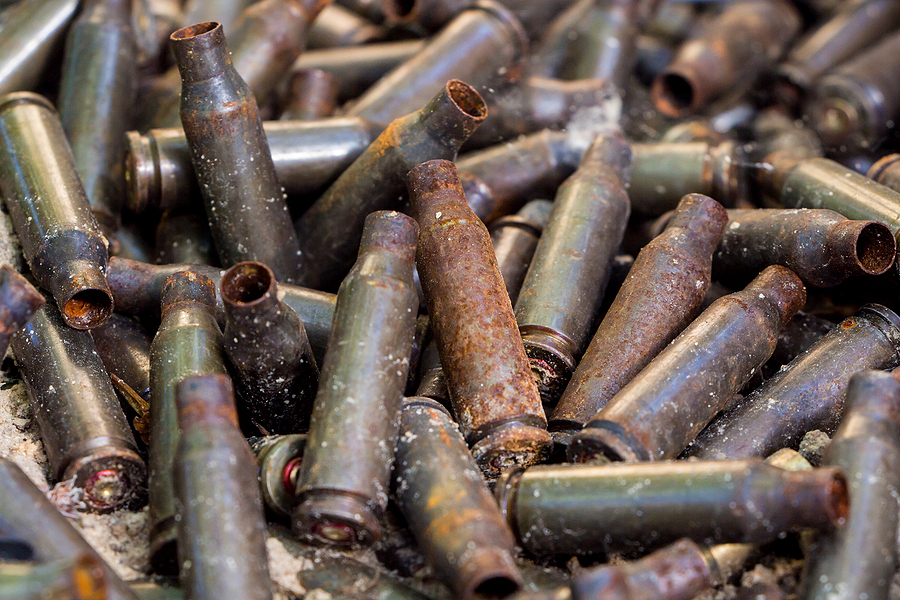
The process of transforming used ammunition shells into reusable brass is a fascinating and environmentally responsible cycle. This piece will delve into the intricate world of ammunition recycling, a practice that not only conserves valuable resources but also significantly reduces environmental impact.

By recycling brass, we are giving new life to what would otherwise be considered waste. Stay with us as we take you through this journey of transformation, from bullets to brass, showcasing the careful art of reclaiming and repurposing used ammunition shells.

Call 317-244-0700 for Professional Ammunition Recycling in Indianapolis Indiana

The Process of Recycling Used Ammunition

The ammunition recycling process begins with the collection of used shells from shooting ranges and other locales. The collected shells are inspected, sorted, and cleaned before being sent to a brass smelter where they are melted down to form rods or slugs. These newly-formed metal components are then transported back to a reloading facility where they undergo the next phase in the recycling process – sorting and separating according to size.

At the reloading facility, each shell is inspected for defects and graded according to various criteria such as size and manufacturer. In some cases, a metal refiner may be contracted to further refine the brass into higher grade metals for use in specific applications such as jewelry or coins. After this step, the shells are once again inspected for quality control, then carefully buffed and polished to ensure a consistent finish.

The final stage of the recycling process is loading the brass into new cartridges. This process involves inserting each individually-sized brass casing into its own cartridge before being sealed with a primer and loaded with powder and bullet. The reloaded ammunition is then ready for sale or use in target practice.

The Benefits of Recycling Ammunition

The recycling of ammunition is one of the most cost-effective and environmentally friendly ways to address the issue raised by discarded shells. By using recycled brass, the amount of energy required for production is significantly reduced since no additional material needs to be mined or extracted from its natural setting. In addition, reducing our reliance on newly-extracted material helps to preserve natural resources and limit our environmental footprint.

The practice of recycling brass also has a positive economic impact. Reusing ammunition shells eliminates the need for manufacturers to purchase raw materials, resulting in decreased production costs overall. This reduced cost is then passed down to consumers as lower prices. Additionally, the process of recycling used ammunition shells also creates new job opportunities in the industry, such as brass smelters and reloaders. 

The Future of Ammunition Recycling

The process of recycling used ammunition is rapidly gaining popularity due to its many environmental and economic benefits. As more people become aware of the positive impacts that arise from this practice, recycling programs are becoming increasingly widespread. While recycling ammunition is an environmentally-friendly solution, it is important to recognize that guns and ammunition have a large environmental impact when used incorrectly or irresponsibly. As such, it is essential for all users of firearms to practice safe shooting habits and dispose of spent shells in a responsible manner.

How to Recycle Ammunition Near You

For those looking to become more involved with ammunition recycling, there are a few ways to get started. Many shooting ranges offer free brass exchange programs that allow shooters to trade in their used shells for new ones. Alternatively, reloading kits can be purchased from various online retailers and used to create your own recycled cartridges.

In Conclusion

No matter the approach taken, it is clear that ammunition recycling provides an important service to the environment and economy. By taking a closer look at this fascinating process, we can gain insight into how recycling brass can help reduce waste and conserve resources.

We hope that this inside look at ammunition recycling has provided you with the information needed to make informed decisions when selecting a method of disposal for your used or expired bullets. To get paid for scrap metal recycling in Indianapolis, contact Zore’s Recycling at 317-244-0700 to earn instant cash. We adhere to all best practices and EPA regulations for safe and responsible disposal.

Related Posts:

Tips for Cleaning and Maintaining Brass
Do Not Believe These Recycling Myths!
Educational Facts About Titanium Alloys

Demystifying Lead: Its Usage and Impact on the Environment

In our quest to understand the elements that compose the world around us, we often encounter those that carry a double-edged sword. Lead, a heavy metal that has been used by humans for thousands of years, fits this description all too well. On one hand, it’s a remarkably versatile material, used in everything from car batteries to radiation shielding. On the other, it poses significant environmental challenges when not managed correctly.

In this blog, we aim to demystify the world of lead, exploring its usage, its journey as scrap metal, and the importance of lead recycling for protecting our environment. Join us as we delve into the intricate dance between human society and this staple of the periodic table.

Call 317-244-0700 to Learn More About Lead Recycling in Indianapolis Indiana

What is Lead and How is it Used in Society?

Lead has been integral to human civilization since prehistoric times. In its pure form, the metal is strong and malleable, making it ideal for a variety of applications. Over the centuries, lead has been used in tools and weapons, plumbing fixtures, paint pigments, and roofing materials. It also serves as an important component in car batteries and radiation shielding. In short, lead has been a trusted part of our lives for quite some time.

Potential Threats of Lead

However, lead is not always handled responsibly, and this presents a real threat to the environment. As it breaks down over time, lead can leach into soil and groundwater sources, where it can be ingested by humans and animals alike. This can have devastating health consequences, particularly in young children. Lead poisoning occurs when lead metal accumulates in the body over time, typically from exposure through contaminated water, paint, or soil. This condition is particularly concerning for children under the age of six, as their growing bodies and developing brains are especially sensitive to the negative effects of lead.

Common symptoms of lead poisoning include abdominal pain, headaches, and fatigue, but the long-term consequences can be much more severe, such as developmental delays, learning difficulties, and even death. It is imperative to prevent exposure to lead in order to protect public health and ensure a safe environment for future generations. To combat these issues, lead metal recycling has become increasingly important for protecting our environment and keeping it safe for future generations.

Scrap Lead Recycling

The lead recycling process begins with the collection of scrap metals containing lead, which can be found anywhere from old buildings to landfills sites. This material is then melted down and processed to remove any unwanted materials such as paint or plastic. The lead is then melted down once again, and the molten metal is poured into molds to create new products or components. This process can be repeated multiple times with a single batch of scrap metal, ensuring that every bit of lead is reused and repurposed multiple times over.

Lead recycling has a number of benefits, both for the environment and for human society as a whole. By recycling lead rather than simply discarding it, we can cut down on the amount of hazardous waste that ends up in landfills and oceans. In addition, metal recycling is far more cost-effective than mining new ore for use in production processes, which can translate into lower costs for consumers and businesses alike.

Wrapping Up

As this blog has hopefully made clear, lead is an incredibly versatile material that brings both benefits and risks. By understanding its journey from raw ore to scrap metal and then to recycled materials, we can all be part of the solution when it comes to properly managing this important element. Through careful stewardship and responsible recycling practices, we can ensure that lead continues to play a vital role in our lives without putting our environment at risk. So, let’s make sure to take the necessary steps to protect our environment and keep lead out of the wrong hands. With some effort, we can all play a role in preserving the planet for future generations.

Are you interested in recycling your scrap metal and metal commodities for cash on the spot? Contact Zore’s Recycling at 317-244-0700 to learn more about how our Indianapolis scrap metal recycling services can benefit your bank account. We also offer free towing for those who wish to recycle a junk car. We pay cash on the spot for all metal scrap, including vehicles.

Related Posts:

Understanding the Economic Impact of Scrap Metal Recycling
Metal Recycling Facts for Various Types of Batteries
What Are the Different Types of Metals that Can Be Recycled?

7 Tips for Identifying Quality Scrap Metals
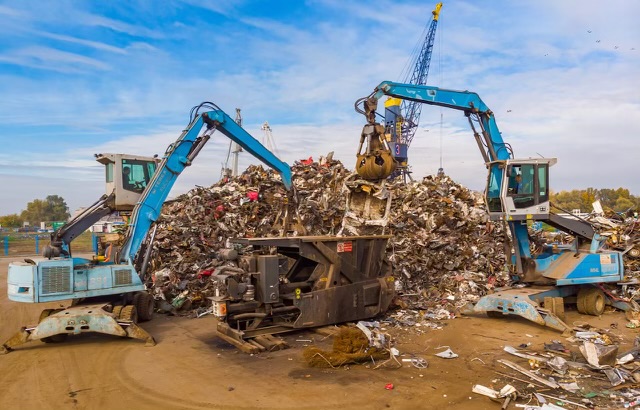
Are you looking to make money by selling scrap metal? If so, you need to be able to identify quality metals that will fetch the highest prices. Scrap metal buyers can sometimes be a little picky about what they accept and won’t pay top dollar for inferior materials. Knowing how to properly assess scrap metal can help ensure that you get the most bang for your buck.  Continue reading to learn seven tips on how to identify quality scrap metals.

Call 317-244-0700 to Get In Touch With a Scrap Metal Buyer in  Indianapolis
Call 317-244-0700 to Get In Touch With a Scrap Metal Buyer in Indianapolis

How to Find the Best Scrap Metal for Recycling

1. Check the Magnetism: A strong indicator of high-quality scrap metal is whether or not it sticks to a magnet. Non-ferrous metals like copper, brass, and aluminum won’t be attracted to magnets, whereas ferrous metals such as iron and steel will be strongly attracted.

2. Inspect for Corrosion: Rust and corrosion are often signs of low-grade scraps that can result in lower prices from buyers. Look closely at any surface rust or other signs of damage and deterioration before selling your scrap metal.

3. Analyze Visible Labels: If the metal you’re assessing has labels, they may offer insight into its quality level. For instance, the presence of certain words or symbols may indicate a higher grade of scrap.

4. Separate Metals: Different metals should be separated and sorted to ensure you get the best price for each type. Mixed metals, such as aluminum and copper, can fetch different prices when sold separately than they would if sold together.

5. Avoid Non-Metal Materials: It is important to remove any non-metallic materials from your scrap before selling it to buyers. Removing plastic, rubber, wood, upholstery, and other debris will help maximize the value of your metal scraps.

6. Look for Contaminants: Be sure that all contaminants are removed from your metal scraps before selling them to buyers. Any oil residue or paint on metals could lead to a lower price, so it’s important to thoroughly inspect all scraps for any signs of contaminants.

7. Research Prices: Knowing the current market prices before you go to sell your scrap metals can help ensure that you get a fair deal. Researching prices from different buyers can also help you find the best deal available.

By following these seven tips on how to identify quality scrap metals, you can be sure that you’re getting top dollar for your metal scraps. With proper assessment and research into pricing, selling scrap metal can be a great way to make extra money and contribute to the recycling process!

How to Find a Reputable Scrap Metal Buyer

If you have scrap metal lying around, it’s a good idea to get it recycled instead of simply throwing it away. Not only is it Eco-friendly, but it can also be a good source of extra money. But the question is, how do you find a reputable scrap metal buyer in Indianapolis? First, do some research to find buyers in your area. Look for reviews and references from previous customers. It’s also important to verify that the buyer is licensed and insured. Make sure they follow industry standards and are transparent about their pricing and payment policies. By taking these steps, you can find a trustworthy scrap metal buyer to help you recycle your materials and make some extra cash in the process.

Ready to make your wallet too big for your own pocket? Just get rid of all your unwanted metal junk! Contact Zore’s Recycling at 317-244-0700 to get paid instant cash on the spot for scrap metal recycling in Indianapolis, Indiana.

Related Posts:

What Are the Different Types of Metals that Can Be Recycled?
A Guide to Collecting, Sorting, and Recycling Scrap Metals
What You Can Do with Old Copper Cables and Wiring

The Benefits of Recycling Iron for the Environment and Your Wallet

Recycling iron is a great way to reduce your environmental footprint and save money. Iron is the most recycled ferrous metal in the world and recycling it can help conserve natural resources while also reducing energy costs associated with manufacturing new products from raw materials.

Recycling iron also reduces air and water pollution caused by mining and smelting operations, as well as providing an alternative to land filling or incinerating scrap metal. In addition, many communities offer financial incentives for recycling metals like iron, so you may even be able to make some extra cash from your efforts! Read on to learn more about the benefits of recycling iron for both the environment and your wallet.

Call 317-244-0700 for Iron Recycling Service in Indianapolis

Reasons Why Iron Recycling is Vital

Reduces Mining

The first major benefit of recycling iron is that it reduces the need to mine and smelt ore. Mining raw materials for new products can create a large amount of toxic waste, which can contaminate groundwater and air as well as damage fragile ecosystems in the area. By reusing scrap metal instead, we’re able to avoid these negative impacts while also saving energy costs associated with mining and smelting operations.

Decreases Energy Costs

Next, recycling iron helps save money by reducing energy costs associated with manufacturing new products from scratch. Manufacturing metals like iron requires high temperatures, so using scrap metal instead saves energy that would otherwise be required to heat up the material before processing it. Additionally, some communities offer financial incentives for those who recycle their scrap metal, so you may even be able to make some extra cash from your efforts!

Conserves Natural Resources

Recycling iron helps conserve natural resources and reduce waste in landfills or incinerators. Recycling reduces the amount of virgin ore that needs to be mined and smelted for new products. It also keeps scrap metals out of landfills and incineration, helping to minimize air and water pollution caused by these disposal methods.

Boosts the Economy

Finally, metal recycling is not only beneficial for the environment but can also have a positive impact on the economy. The process of metal recycling involves collecting and converting scrap metal into new products, which reduces the need for mining and manufacturing new metal. This saves energy and resources, ultimately leading to a reduction in costs for manufacturers and consumers.

Additionally, metal recycling creates new job opportunities and stimulates economic growth. The industry provides employment for a significant number of people in areas such as transportation, sorting, processing, and distribution. In fact, it is estimated that the recycling industry supports almost half a million jobs in the United States alone. Therefore, by reducing waste and increasing employment opportunities, metal recycling is an important contributor to the economy.

In Summary

In conclusion, recycling iron is beneficial for both your wallet and the environment. Not only does it help conserve natural resources, but it also can save energy costs associated with mining and manufacturing processes. Additionally, many communities offer financial incentives for those who recycle their scrap metal – making this an easy way to contribute to a more sustainable future. So, start saving money and protecting the planet by recycling your iron today!

Are you looking for the best way to get rid of scrap iron materials in your neighborhood? Just contact Zore’s Recycling at 317-244-0700 for professional and hassle-free ferrous metal recycling services in Indianapolis, Indiana. We pay cash on the spot for all grades of scrap iron, including furniture, auto parts, hardware, and appliances.

Related Posts:

What Are the Different Types of Metals that Can Be Recycled?
Can Cast Iron Be Recycled?
Facts About Ferrous and Non-Ferrous Metal Recycling

What Are the Different Types of Metals that Can Be Recycled?

Recycling metal is an important part of reducing waste and preserving our environment. By recycling scrap metals, we can help conserve natural resources while also creating new products from existing materials. But what types of metals can be recycled? In this blog post, we’ll take a look at some of the most common types of metals that are suitable for metal recycling. We’ll also discuss where to find scrap yards and other sources for metal recycling.

So, if you’re interested in learning more about how to recycle your old or unused items made out of metal, keep reading!

Call 317-244-0700 to Recycle Scrap Metal in Indianapolis

Basic Metals to Recycle

Steel

The most common type of metal that can be recycled is steel. Steel is durable and strong, making it a popular choice for many products such as cans, appliances, and cars. When you recycle steel, the process shreds it down into small pieces before being melted down so that it can be formed into new items.

Iron

Iron is also a very common metal to recycle, including cast iron materials. Recycling this strong, resilient metal minimizes pollution and preserves our natural habitats, improving air quality, and sustainably caring for our world. Recycled iron can be used in various scenarios such as construction projects or use in everyday utensils and equipment.

Aluminum

Aluminum is another type of metal that is easy to recycle. Aluminum cans are one of the most commonly recycled items because they are lightweight and take up very little space when crushed. Recycling aluminum helps conserve natural resources since bauxite ore (an ore from which aluminum is extracted) takes decades to develop in nature.

Copper

Copper is also a great material to recycle since it doesn’t corrode easily and is highly malleable. Copper can be used to create cookware, electronics, and plumbing fixtures. Recycling copper helps conserve energy since it requires significantly less energy to produce items from recycled copper than from mining new ore.

Lead

Lead is another metal that can be recycled but should only be done in an EPA-certified facility because of its toxicity. Lead can be found in batteries, roofing materials, and paint chips, and is often collected by scrap yards or recycling centers. When lead is recycled, it’s melted down so that it can be used to make other products such as car batteries or ammunition.

Precious Metal

Precious metals are some of the most viable materials for recycling. Not only do they contain valuable components that can be repurposed in a variety of ways, but they also require less energy to process compared to other recycled materials. It has been estimated that recycling just one ton of precious metals conserves up to 40 times more energy than glass recycling, and close to 100 times more than paper or plastics. Furthermore, polymetallic ores such as gold ore produce an extended range of usages beyond power channels hence adding further economic benefits from precious metal recycling besides environmental ones.

In Summary

Recycling metals is an important part of preserving our environment and conserving natural resources. Not only will it help reduce waste, but it may also provide you with some extra money! So before throwing away any type of metal products, think about whether they could be recycled instead. By doing this, you’ll be helping to keep our planet clean and healthy for generations to come.

Find a Local Scrap Metal Recycling Center Near You

If you have any unused metals lying around your home or garage, consider taking them to a well-established and trusted Indianapolis scrap metal recycling facility. Many cities have these types of facilities where you can bring your metals and receive payment for the scrap.

Recycling scrap metal in Indiana is simple, and the advantages make it a valuable endeavor. Contact Zore’s Recycling at 317-244-0700 to get paid cash on the spot for scrap metal recycling services in Indianapolis, Indiana. We pay cash on the spot for all scrap metal materials and items, including motorized vehicles, auto parts, construction scrap, appliances, generators, HVAC units, and much more. You must show proof of ownership to sell catalytic converters.

Related Posts:

A Guide to Collecting, Sorting, and Recycling Scrap Metals
How to Start an Aluminum Can Recycling Program in Your Community
How to Recycle Scrap Metal for Cash in Indianapolis

How to Create an Efficient Recycling Program for Your Construction Site

Do you want to help the environment and reduce your construction site’s waste? Starting a recycling program is one of the most effective ways to do this. Recycling metal, wood, paper, cardboard, plastic, electronics, and other materials can make a big difference in reducing landfill waste while also increasing profits from selling scrap material. A well-planned recycling program for your construction site will not only save money but also help protect the environment.

Continue reading for some tips on how to create an efficient recycling program that will benefit both you and the planet.

Call 317-244-0700 for Professional Construction Site Recycling in Indianapolis.

Construction Site Recycling Suggestions

1. Establish Collection Points: Set up collection points throughout the construction site for separating and collecting recyclable materials. Make sure to clearly label each container with a sign specifying which material should go in it, such as wood, metal, plastic, or paper/cardboard. Separating recyclables at the source is one of the most effective ways to ensure that materials are recycled properly.

2. Talk to Your Suppliers: Contact local scrap metal recycling centers to inquire about their options for commercial-scale recycling and waste reduction; see if they can provide large containers, roll off services, dumpster rentals, or cash for scrap metal materials. This will help you reduce costs associated with transportation and storage of scrap material while also helping protect the environment by reducing landfill waste.

3. Utilize Metal Recycling: One of the most important aspects of setting up a recycling program at your construction site is taking advantage of metal recycling. Metals such as steel, aluminum, copper, and brass can be recycled easily into new products and have a higher value than other materials. Separate these metals from other scrap material and make sure to take them to a certified scrap metal recycler for proper disposal.

4. Educate Your Work Force: Make sure your staff know what items are recyclable and how they should go about separating them for collection. Create an educational program that will help your staff understand the importance of recycling correctly in order to maximize benefits for both the environment and their company.

In Summary

By following these construction site recycling program tips, you can create an efficient recycling program for your construction site that will have a positive impact on the environment while also helping you save money. Implementing a recycling system at your construction site is one of the best ways to reduce waste and help protect the planet.

Do you need additional help with creating an efficient recycling program for your construction site? If so, contact Zore’s Recycling at 317-244-0700, today! We can help ensure that your construction project runs smoothly and effectively with our scrap metal recycling and container service options. Our experienced experts can answer any questions you may have about how to properly set up a recycling system, so don’t hesitate to reach out with any inquiries. 

Related Posts:

The Benefits of Small Business Recycling
Is Galvanized Steel Better Than Other Kinds of Structural Steel?
Start a Recycling Program With These Scrap Metals

The Benefits of Using Commercial Container Services

Are you looking for an efficient and cost-effective way to manage your waste? If so, then commercial container services might be the right solution for you. Commercial container services are becoming increasingly popular among businesses due to their many benefits. Continue reading to learn what these benefits are and how you can get started with commercial container and recycling services in your town.

Call 317-244-0700 for Commercial Container Service in Indianapolis

Why Choose Commercial Recycling Container Services

☑ REDUCE CARBON FOOTPRINT

Commercial recycling is a great way to reduce your environmental footprint while also saving money on disposal costs. With a dumpster roll off service, you can easily dispose of large amounts of waste in one go without having to worry about sorting through it all yourself. Additionally, these services often provide customization options that allow you to tailor the size and type of containers based on your specific needs.

☑ REDUCE COSTS

Not only do commercial containers make waste management easier, but they can also help reduce overall costs by eliminating the need for frequent trips to the landfill or transfer station. By utilizing these services, businesses can save time and energy that would otherwise have been spent disposing of unwanted materials in other ways.

☑ REDUCE TAX LIABILITY

In addition, using container services may qualify businesses for certain tax breaks or discounts from local municipalities depending on their location and volume of materials being recycled or disposed of properly.

Container Service Programs are a Smart Choice for Businesses

If you’re looking for an efficient and cost-effective way to manage your waste, commercial container services are a great option. With the ability to customize containers based on specific needs and potential savings on disposal costs, businesses can benefit from using these services in multiple ways. When it comes to managing waste, utilizing commercial container services is a great choice for those looking for an effective solution.

Types of Container and Dumpster Services

Container and dumpster services are an essential part of many construction projects, demolition jobs, landscaping efforts, and home renovations. Whether you’re a homeowner or a contractor looking for reliable rental options, it’s important to understand the different types of container services available so you can choose the best option for your needs. Let’s take a look at some of the most popular types of Container Services.

▷ Container Roll-Off Rental

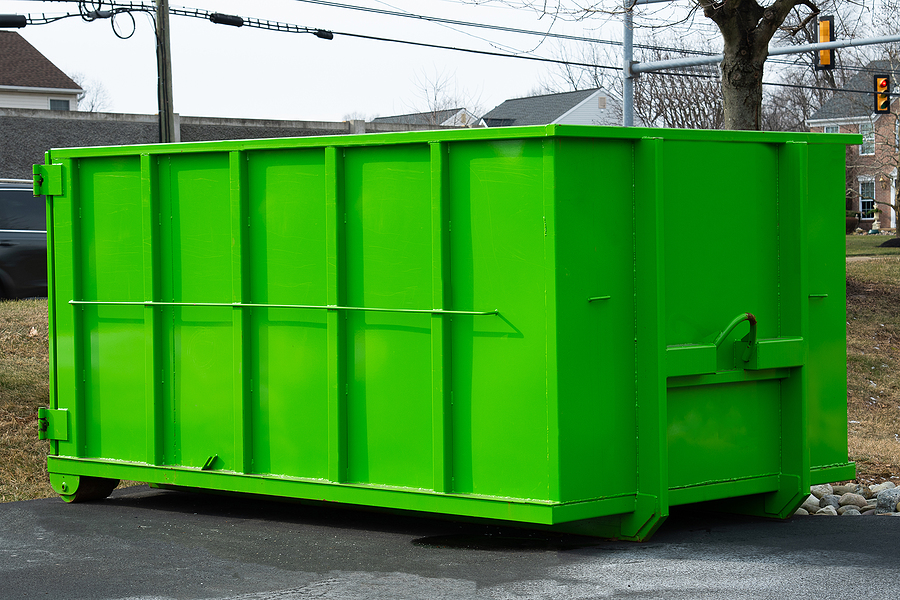
One common type of container service is roll-off rental. This type of service involves having a large metal bin delivered to your site on wheels and using it as temporary storage for items that need to be disposed of after completion of the project. Roll-offs come in various sizes depending on how much debris needs to be collected and removed from your property. The containers are then taken away by truck after they have been filled up with waste materials.

▷ Curbside Pickup and Collection Bins

Another popular type of container service is curbside pickup or collection bins. These bins are typically smaller than roll-offs but still provide ample space for homeowners or contractors who need disposal solutions during their project phases. Curbside pickups often include scheduled pickups where drivers will come by periodically throughout the project to take away debris and other materials.

▷ Dumpster Rental

Finally, dumpster rental is another effective way to manage waste during projects. Dumpsters come in various sizes, ranging from 10-yard bins all the way up to 40-yard containers. Generally, larger dumpsters are best for big construction or demolition jobs while smaller ones may be more appropriate for home renovations and landscaping projects. With dumpsters, you’ll usually need to fill them with your own materials before they can be taken away by a truck.

Conclusion

No matter which type of container service you choose, it’s important that you understand the regulations and safety guidelines associated with each option so that you can ensure your project is executed safely and efficiently. By researching the different types of container services, you’ll be able to choose the best one for your needs.

Are you interested in learning how to customize the most efficient and affordable container service plan for your business or project? Contact Zore’s Recycling at 317-244-0700 to speak with a manager about our professional container services in Indianapolis, Indiana.

Related Posts:

Understanding the Different Types of Container Services
What You Can and Cannot Put in Your Rented Dumpster
Where to Get Commercial Container Services in Indianapolis

How To Safely Dispose of Your Unwanted Washer and Dryer

Are you looking to upgrade your washer and dryer but don’t know how to safely dispose of the old ones? You’re not alone. Many people are unsure what to do with their unwanted appliances, which can lead them to end up in landfills or cause other environmental problems. Fortunately, there are ways you can responsibly and safely dispose of your old washer and dryer.

In this blog post, we will discuss several tips for disposing of these large appliances properly so that they won’t harm the environment or take up valuable space in landfills. We will also provide information on where you can find appliance recycling centers near you so that your old washers and dryers can be recycled into new products! Now, let’s get started!

Call 317-244-0700 to Recycle an Old or Broken Washer and Dryer in Indianapolis!

What to Do With an Old Washer and Dryer

Remove Hazards

The first step in safely disposing of your old washer and dryer is to make sure you remove any hazardous materials from the appliances. This includes chemicals, detergents, bleach, or other products that could be harmful if not handled properly. These must be taken care of before disposing of the machine by following local guidelines on how to safely dispose of hazardous waste. If you are selling your units to a scrapyard or metal recycling center, you might not have to do this –they may charge a fee for this service and deduct it from their payment offer.

Find an Appliance Recycling Center

Once you’ve disposed of all hazardous materials, you can begin looking into appliance recycling centers near you. Many cities have special facilities dedicated to appliance recycling and disposal, which are a great option if you don’t want to take on the task yourself; however such centers might charge intake and disposal fees. If you prefer to make some extra cash and do something kind for the environment at the same time, check with local scrap yards or scrap metal buyers to see if they accept and recycle appliances. They will pay you for the scrap value of your washer and dryer!

Label All Parts (optional)

Finally, if you choose to, it helps to properly label any parts from the washer and dryer before disposing of them. This will ensure that all materials are recycled correctly according to their type, which helps reduce waste and conserve resources. Be sure to check with EPA guidelines and local authorities if you’re unsure about how to label the materials for proper disposal.

Donate Working Units

If they actually still operate, you might consider donating your old washer and dryer to a charitable organization or donating it to someone in need. Donating is an excellent way to extend the lifespan of your appliance while helping others in need. If there are no local organizations willing to accept donations, you can also search online for donation-based services that connect donors with recipients.

Safely Get Rid of an Old Washer and Dryer Unit!

By following these tips, you can safely and responsibly dispose of your old washer and dryer. Taking the time to ensure the appliances are disposed of properly will help protect the environment and keep landfills from becoming overcrowded. If you have any questions about appliance recycling or disposal in your area, be sure to contact local authorities or waste management companies for more information.

Would you like to get paid cash on the spot for your old or broken washing machine and dryer? Contact Zore’s Recycling at 317-247-8484 for appliance recycling in Indianapolis, Indiana. We pay cash on the spot for all scrap metal materials and items, including washers, dryers, refrigerators, ovens, dishwashers, HVAC units, generators, and more.

Related Posts:

How to Recycle Junk Appliances in Indianapolis
What You Can and Cannot Put in Your Rented Dumpster
Simple and Effective Oven Cleaning Tips

How to Make Recycling Easier for Everyone in the Office

Recycling isn’t just good for the environment, it’s also a great way to demonstrate a business’ commitment to sustainability. But making sure everyone in the office is recycling properly can be challenging. That’s why we’re here to help! In this blog post, you’ll learn how to make recycling easier for everyone in your office and get tips on finding reliable recycling services. By following these steps, you’ll soon have an efficient and effective recycling system that will benefit both your business and our planet. So, let’s get started!

Call 317-244-0700 for Office Recycling Services in Indianapolis Indiana

What to Recycle at the Office

Recycling in the office may seem like a daunting task, but it’s a necessary one in our modern world to protect our environment. There are several common materials that can be recycled in the office, such as paper, cardboard, and plastic. Paper products, such as printer paper and envelopes, can be placed in designated recycling bins. Cardboard boxes used for shipping and packaging can also be recycled, either by breaking them down and placing them in your designated recycling bin or by reusing them to store items in your office.

Most plastic items, such as water bottles, plastic bags, and food containers can be recycled as well. It’s important to note that not all plastics are created equal, as some may not be recyclable in your area. Always check with your local recycling guidelines to see what materials can and cannot be recycled in your office. By recycling these common materials, you can make a positive impact on our environment and promote a more sustainable future!

Improve Office Recycling Practices and Output With These Tips

1. Educate Your Team: The first step to creating a successful recycling program in your office is to educate your team on the importance of recycling and how they can participate. This could include providing training, creating an educational poster or bulletin board display, or even hosting an office event that focuses on sustainability. It’s also important to emphasize what types of materials are accepted for recycling at your business, as well as any laws related to recycling in your area.

2. Choose the Right Recycling Equipment: To make sure everyone in the office is able to easily recycle their waste, you’ll need to invest in the right equipment. Consider investing in different bins for different types of recyclable materials such as paper, plastic, and glass. You may also want to provide labels for each bin so everyone knows what should go in them.

3. Find Reliable Recycling Services: When it comes to recycling, you’ll need reliable services to make sure all of your recyclable materials are picked up on a regular basis. Research local companies that offer collection and disposal services for different types of waste materials and compare their rates. Make sure the company is also compliant with all federal, state, and local laws related to waste management.

4. Set Up an Office-Wide System: Once you have all the necessary equipment, create a system that will ensure everyone in the office is recycling properly. This could include assigning specific days or bins for different types of materials, setting up a system to monitor the progress of your recycling program, or even creating a rewards program for those who are able to recycle the most materials.

Make Office Recycling a Priority in Your Company!

Making sure everyone in your office is recycling can be challenging but it doesn’t have to be. By following these tips and investing in the right equipment and services, you can create an efficient and effective recycling system that will benefit both your business and our planet!

Good luck with creating an easier recycling process for everyone in your office! If you need more help or have any questions related to waste management or office recycling services, don’t hesitate to contact Zore’s Recycling at 317-244-0700, today. We’re always happy to help ensure your business is taking steps towards sustainability.

Related Posts:

The Benefits of Small Business Recycling
How to Start Recycling Aluminum Cans in Indianapolis
How to Ensure Protection When Throwing Away Old Hard Drives

A Guide to Collecting, Sorting, and Recycling Scrap Metals

Do you have a pile of scrap metal in your garage or yard that you’d like to get rid of? If so, then recycling it is the way to go! Recycling scrap metal helps reduce landfill waste and can even make you some extra money. But before you start collecting and sorting through all of your scrap metals, there are a few things that you should know about the process. In this blog post, we’ll provide an overview on how to collect, sort, and recycle scrap metals responsibly. We’ll also discuss where to find reputable recyclers who will pay fair prices for your used materials.

So, read on to learn more about how easy it is to do your part for the environment while making a little extra cash!

Call 317-244-0700 for Scrap Metal Recycling in Indianapolis.

A Beginner’s Scrap Metal Recycling Guide

Collect and Sort Your Scrap Metal

The first step in the scrap metal recycling process is to collect any metals that you have lying around, such as old appliances, vehicles, and tools. Be sure to check your local laws before collecting scrap metal from other people’s property. Once you’ve collected all of your metals, it’s time to sort them into different categories. Common metals like aluminum, copper, brass, iron, and steel are usually worth the most when recycled.

Find a Trusted Scrap Metal Buyer

Once you’ve sorted the metals according to type, it’s time to find a legitimate scrap metal recycler who will pay fair prices for your materials. Check with local businesses or look online for reputable scrap metal recycling centers in your area. Make sure they have a good reputation before doing business with them. Ask for a quote and compare prices to ensure that you’re getting the best deal for your scrap metal. Quotes should be free, but sometimes companies will deduct the charge from your payment. This is why it is important to do business with a reputable and professional company. You should not have to fear any hidden fees or agendas when dealing with a scrap metal buying business.

Deliver Your Scrap Metal

Now that you’ve located a reputable recycler, it’s time to transport your sorted metals to the recycling center. Depending on where you live, there may be local laws or regulations regarding how scrap metal is transported, so be sure to check those before hauling your materials off. When transporting scrap metal, it’s important to keep safety in mind and make sure that any sharp objects are properly covered. Some scrap metal recycling businesses will provide free haul away and towing for larger items and freights, like junk cars, appliances, electronics, and furniture.

Receive Your Cash Payment

Once you arrive at the metal recycling facility, you’ll receive payment based on the weight of the material being recycled. The amount paid will vary depending on market conditions and the type of metal being recycled. Keep in mind that some metals, such as aluminum and steel, are worth more than others. Be sure to double-check with the recycler before unloading your materials to ensure you get the best possible price for your scrap metal. Also keep in mind that most professional scrap metal buyers pay cash, while others might offer a check in the mail or some other form of compensation.

Get Started With Recycling Scrap Metal Today!

Recycling scrap metal is an easy and rewarding way to help out the environment while putting some extra money in your pocket. By following these simple steps, you can easily collect, sort, and recycle scrap metal responsibly! And don’t forget – be sure to research local laws or regulations that may apply before hauling off any materials. With a little bit of research and effort, you’ll be well on your way to recycling scrap metal with ease!

So, what are you waiting for? Gather up that scrap metal and then reap the benefits of recycling it all for cash, today! Contact Zore’s Recycling at 317-244-0700 to get paid instant cash on the spot for scrap metal recycling in Indianapolis, Indiana. We offer free haul away for vehicles, construction equipment, and large containers in over 30 Central Indiana counties!

Related Posts:

How to Start an Aluminum Can Recycling Program in Your Community
Understanding the Economic Impact of Scrap Metal Recycling
How to Recycle Scrap Metal for Cash in Indianapolis