Turn Trash into Cash: How Aluminum Can Recycling Benefits You and the Planet

Empty soda cans piling up in your kitchen? Those aluminum containers are more valuable than you might think. Aluminum can recycling offers a unique opportunity to earn extra income while making a meaningful difference for the environment. Whether you’re looking to supplement your household budget or reduce your carbon footprint, recycling aluminum cans delivers tangible benefits on both fronts.

Understanding the value of aluminum scrap metal can transform how you view everyday waste. Instead of tossing cans in the trash, you can turn them into a reliable source of cash while contributing to a more sustainable future. The process is straightforward, the rewards are real, and the environmental impact is significant.

This guide explores how aluminum recycling puts money in your pocket and helps protect our planet. You’ll learn about the economics behind recycled aluminum, discover practical tips for maximizing your earnings, and understand why this simple act matters for environmental conservation.
Call 317-244-0700 to Get Cash for Aluminum Can Recycling in Indianapolis Indiana!

The Economics of Aluminum Recycling

How Recycling Aluminum Generates Income

Aluminum holds substantial market value as a recyclable material, making it one of the most profitable items you can collect. Metal recyclers pay cash for aluminum based on weight, with prices fluctuating according to market demand and the purity of the material you bring in.

The market value of recycled aluminum depends on several factors. Global demand for aluminum products influences pricing, as does the current state of manufacturing industries. The quality and cleanliness of your aluminum also affect how much you’ll receive. Cans free from contaminants fetch higher prices than those mixed with other materials.

Maximizing Your Earnings from Aluminum Can Recycling

Strategic collection and preparation can significantly increase your recycling income. Start by storing cans in a dedicated container to prevent contamination from food waste or other materials. Crushing cans saves space and allows you to accumulate more before making a trip to the recycling center.

Building relationships with local businesses that generate aluminum waste can boost your collection efforts. Restaurants, office buildings, and event venues often welcome someone willing to remove their recyclable materials. Some recyclers even offer partnerships where they’ll collect from you regularly once you’ve established a consistent supply.

Timing your trips to metal recyclers can also impact your earnings. Aluminum prices vary throughout the year, so monitoring market trends helps you choose optimal times to sell. However, the difference may be minimal for casual recyclers, making convenience a more practical consideration.

Environmental Impact of Aluminum Recycling

Energy Conservation Through Recycling

The environmental advantages of aluminum can recycling are substantial. Recycling aluminum requires 95% less energy than producing new aluminum from raw materials. This dramatic reduction in energy consumption translates directly to fewer greenhouse gas emissions and less strain on power resources.

To put this in perspective, recycling one aluminum can saves enough energy to run a TV for three hours. Multiply that by the billions of cans Americans use annually, and the energy savings become staggering. The energy saved from recycling aluminum cans reduces greenhouse gas emissions equivalent to taking millions of cars off the road annually.

Resource Conservation and Waste Reduction

Aluminum can be recycled infinitely without any loss of quality. This remarkable property means the same aluminum can become a new can, bicycle frame, or aircraft component repeatedly without degradation. By recycling, you’re helping maintain a continuous supply of usable aluminum without the need for mining new bauxite ore.

Landfill reduction represents another critical environmental benefit. Aluminum cans take 200-500 years to decompose naturally. When buried in landfills, they occupy valuable space and potentially leach chemicals into soil and groundwater. Recycling diverts these materials from waste streams, preserving landfill capacity for items that cannot be repurposed.

The mining process required for new aluminum production carries significant environmental costs. Bauxite extraction disrupts ecosystems, destroys habitats, and consumes vast quantities of water. Each recycled can represents natural resources preserved and ecosystems protected from industrial impact.

View Our Aluminum Can Recycling Solutions!

Your Guide to Recycling Aluminum Cans

Collecting and Preparing Cans

Starting an aluminum can recycling routine requires minimal equipment. Designate a container specifically for aluminum cans in your kitchen or garage. A large bin with a lid prevents odors and keeps pests away while you accumulate enough cans to make recycling worthwhile.

Rinsing cans before storage prevents unpleasant smells and reduces the attraction of insects. You don’t need to achieve perfect cleanliness—a quick rinse with water suffices. Allow cans to air dry before placing them in your collection container to prevent mold growth.

Crushing cans saves considerable storage space, letting you collect more before making a trip to the recycling center. However, check with your local recycler first, as some facilities prefer uncrushed cans for their sorting equipment.

Finding the Right Recycling Center

Location matters when choosing where to recycle your aluminum scrap metal. Here at Zore’s Recycling in Indianapolis, we provide reliable service for individuals and families looking to turn their aluminum cans into cash. We offer competitive pricing based on current market rates and can process both small household quantities and larger commercial volumes.

Before visiting any scrap metal recycling facility, call ahead to confirm their hours, current aluminum prices, and any specific requirements for drop-offs. Some centers require identification for payment, while others have minimum quantity requirements.

Engaging Your Community

Expanding your recycling efforts through community involvement amplifies both your earnings and environmental impact. Organize collection drives at schools, churches, or community centers where people can drop off their aluminum cans. These events raise awareness about recycling benefits while building your collection volume.

Consider partnering with neighbors to create a neighborhood recycling program. Rotating responsibility for trips to the metal recyclers makes the process more convenient for everyone involved. Splitting proceeds fairly based on contribution encourages continued participation.

Start Your Aluminum Recycling Journey Today

Aluminum can recycling represents a practical solution for earning extra income while contributing to environmental sustainability. The financial returns may start small, but consistent effort builds meaningful supplemental income over time. More importantly, each can you recycle represents energy saved, resources conserved, and waste diverted from landfills.

The dual benefits of cash for aluminum and environmental protection make recycling an activity worth incorporating into your routine. Whether you’re collecting cans from your own household or expanding to community-wide efforts, every aluminum can recycled makes a difference.

Visit Zore’s Recycling or your local scrap metal recycling center to begin transforming your aluminum cans into cash today. Bring your accumulated cans, learn current pricing, and discover how simple the process truly is. Your wallet and the planet will thank you for taking this important step toward a more sustainable future.

Call Now to Get a Quote

Related Post: Why You Should Recycle Aluminum Siding at a Local Scrapyard

4 Types of Metal That Do Not Rust

Metal is one of the most valuable, naturally-occurring resources on our planet. One of the reasons why metal has such great value to our society is due to its strength and durability. But even the strongest metals can be subjected to damage or oxidation. That is why it is important to use the right type of metal for your intended application. When it comes to applications that call for strong, rust-resistant metals, these four are your top choices.

Indiana Steel Recycling
Indiana Steel Recycling 317-244-0700

Metals That are Resistant to Oxidation (Rusting)

► Copper

We start with copper because many industry scholars and hobbyists argue that copper is not considered a noble metal because it is not technically corrosion-resistant. They often orate that because copper is such a reactive metal in the case of oxygen exposure, it is not a good fit for the definition of an anti-corrosive metal. Basically, copper will not rust because it does not contain any iron content, however, it can be subjected to certain deterioration when it reacts with oxygen. It does develop a green patina overtime, which will protect the copper from further corrosion.

Stainless Steel

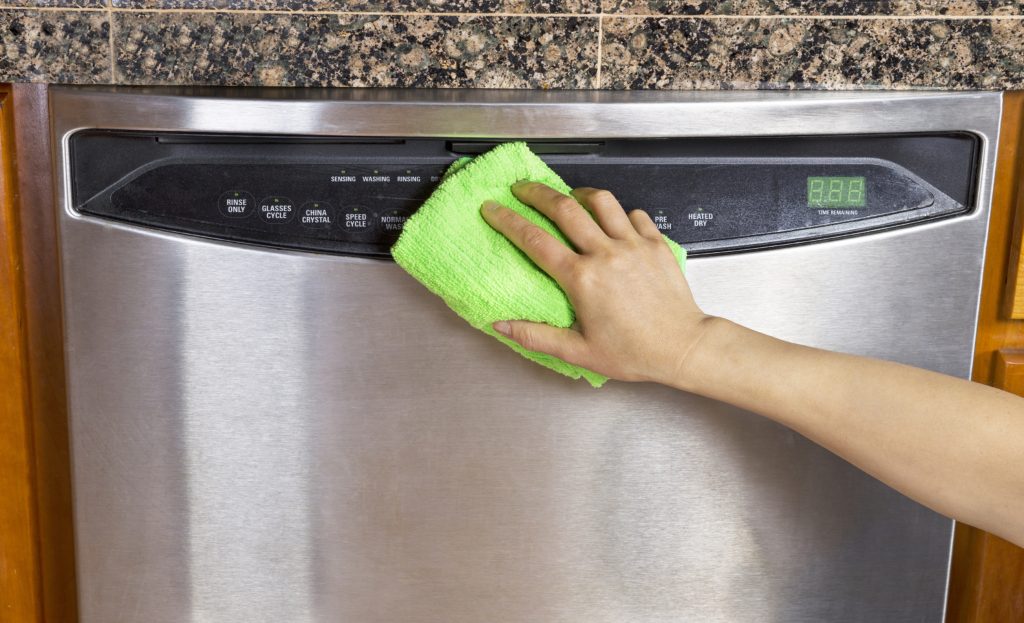
There is a very good reason why the majority of all modern-day kitchens are equipped with stainless steel appliances, such as refrigerators, microwaves, dish washing machines, stoves, and even plumbing fixtures like faucets. The very good reason is that stainless steel will not rust when exposed to moisture or water, like many other kinds of metals would. Even though stainless steel usually does contain some traces of iron, which should technically make the steel prone to oxidation, they are mostly resistant because they contain high ratios of chromium. Chromium is more reactive than iron, so it quickly oxidizes, thus creating a protective chromium oxide coating on the stainless steel. Furthermore, stainless steel often contains other rust-resistant alloys, like nickel and molybdenum, strengthening its resistance against oxidation.

Aluminum

Aluminum metal is used in various industries and applications all across the globe, and it’s due to its two most valuable properties: light weight and resistance to corrosion. Commodities like airplanes, automobiles, bikes, building materials, and more are all manufactured with high aluminum content. The reason why aluminum is a terrific option for an anti-corrosion metal is because it contains very little, or even no iron content, making it stand up against conditions that cause rust. When exposed to moisture, a layer of aluminum oxide forms on the surface, protecting the metal from oxidation and corrosion.

 ► Galvanized Metal

Since steel metal is not naturally resistant to rusting, often times it must be galvanized for an added layer of protection. Galvanized carbon steel stands up well against conditions that commonly cause it to oxidize. Galvanization is the process of coating steel with zinc, which acts as a barrier against water and oxygen. This is known as cathodic protection. Like aluminum and chromium, the zinc reacts fast to oxygen, and creates a zinc oxide layer on the surface of steel.

How to Sell Your Rusty Steel and Iron Scrap Metal in Indiana

Call Zore’s Recycling division at 317-244-0700 to get paid cash on the spot with our Indianapolis metal recycling services and opportunities. We have been a family owned and operated company for over 75 years, and continue to make customer satisfaction our number one goal in our metal recycling division. And to make recycling easier for you, we offer several customer conveniences at no extra charge! Request a free estimate, today.

Indianapolis Metal Recycling

4 Common Metals That are Easy to Recycle

The amount of metal used in our society is astronomical on a global scale. That is because metal is a highly-useful and beneficial commodity that can be applied in infinite industries, from automotive manufacturing and construction, to food service, plumbing, electrical, medical equipment, and more. If you are interested in doing your part to preserve our planet’s natural resources and reduce our need to mine for new ores, your best course of action is to start a metal recycling initiative at home and in the office!

Although all metal is 100% recyclable, there are some metals that are easier to come by than others. Continue reading to learn the top 4 easiest metals to get started with when it comes to recycling.

Indianapolis Scrap Metal Buyers 317-244-0700

Aluminum

Do you have some food or soup cans laying around? These are likely made from aluminum! If not, they are made of tin, which is also entirely recyclable and reusable. Additional sources of aluminum scrap include car parts, metal patio furniture, mailboxes, sheet metal, bicycles, pots and pans, window frames, and some plumbing fixtures like sinks and faucets.

Steel

Steel is perhaps the number one most recycled metal in the United States. In fact, before Eco-friendly practices were trendy, steel was being recycling regularly. Not only does steel recycle require a fraction of the energy needed to recycle other materials, it does not lose any of its valuable properties in the process. This means steel can be recycled and reused over and over again.

Lead

Lead might not be something we want in our water, but it is something we want to recycle as often as possible. Common sources of recyclable lead include automotive batteries, including batteries for other types of motorized things, like motorbikes, bulldozers, golf carts, scooters, boats, and more. It is important to properly dispose of lead materials by recycling them because it can be harmful to the surrounding environment if leaked.  

Copper

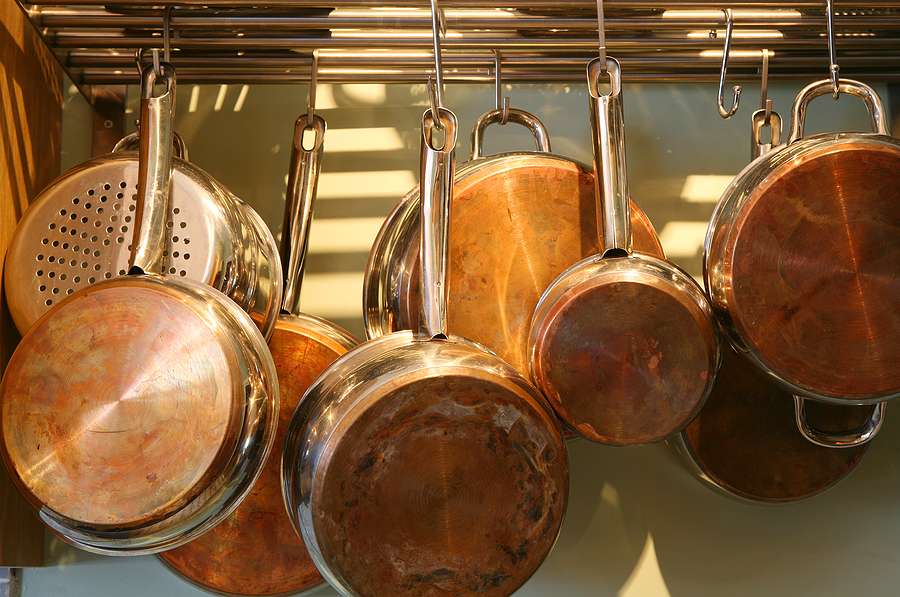
The most common sources of copper that can be recycled are electronics and cookware. If you have old pots and pans made from copper, you have a decent freight of recyclable metal. Other sources include anything with a computer or circuit board, as well as, electrical wiring. Some gutter systems and roofing materials are also made from copper, and can be recycled over and over again.

A Trusted Indianapolis Metal Recycling Company That Pays You Cash

Call Zore’s Recycling division at 317-244-0700 to recycle metal in Indianapolis, Indiana for cash. We have been a family owned and operated company for over 75 years, and continue to make customer satisfaction our number one goal in our metal recycling division. And to make recycling easier for you, we offer several customer conveniences at no extra charge! Request a free estimate, today.

Comparing Stainless Steel to Aluminum Metal

Since stainless steel and aluminum look so similar, many people believe they are the same type of metal. But this, of course, is not true. Although stainless steel and aluminum are used in similar industries, their qualities are different in many ways. Continue reading to learn some fun facts about both these metals, and the primary difference between them.

Metal Recycling Center 317-244-0700

Metal Recycling Center 317-244-0700

Stainless Steel

Stainless steel is a steel alloy used for several reasons, and in several industries. It is highly resistant to corrosion, tarnishing, and rust. The most common uses for stainless steel include food handling and processing, surgical instruments, medical devices, air crafts, appliances, hardware, and more. The common alloying ingredient in stainless steel is chromium, but nickel, copper, manganese, iron and molybdenum are also used. Stainless steel usually contains anywhere from 15% to 30% alloy content.

Aluminum

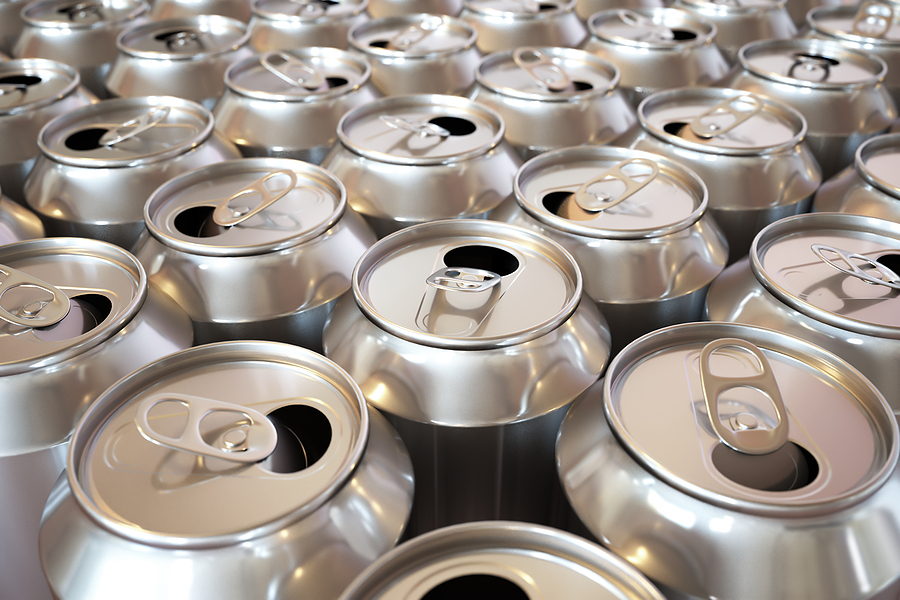
Aluminum is a silvery-gray, light-weight, non-magnetic metal used in countless industries and for several purposes. The most well-known use for aluminum is food and soda cans. But aside from canned goods, aluminum is also widely used in the automaker and aerospace industry for its ductile, corrosion-resistant qualities and more.

Comparisons

As for strength and weight, steel is stronger and weighs more. Aluminum is only one-third the weight of stainless steel, but this is why it is top-choice for automotive and aerospace manufacturing.

Both metals are highly-resistant to corrosion, but since stainless steel is non-porous, it is more resistant than aluminum.

Both metals are also good thermal and electrical conductors, but aluminum retains higher thermal conductivity. This is why it is used to manufacture things like car radiators and air conditioner units.

In terms of malleability, aluminum takes the cake. It is much softer and easier to work with compared to stainless steel. On the other hand, stainless steel is much easier to weld than aluminum.

As for price, aluminum is much cheaper.

Remember to recycle your unwanted scrap aluminum and steel metal!

Zore’s Recycling

Indianapolis Metal Recycling 317-244-0700

Indianapolis Metal Recycling 317-244-0700

Call Zore’s Recycling at 317-244-0700 to recycle aluminum in Indianapolis, as well as, all other metals you wish to discard. We accept all metals, including copper, steel, iron, precious metals, and more! Recycle old appliances, electronics, power tools, cars, water-crafts, and more for fast cash on the spot. We pay top-dollar for your scrap metal! Call 317-244-0700 to evaluate the worth of your scrap metal in Indianapolis, IN.