The Difference Between Stainless Steel and Mild Steel

Over the years of publishing blogs, we have covered the differences between a lot of metals. From ferrous and non-ferrous metal, to hot-rolled and cold-rolled steel, expanded metal and perforated metal, and a few more here and there. But today, we will cover a very basic level of metal acumen: the difference between stainless steel and mild steel.

Continue reading learn how these two types of steel compare to one another, as well as, how you can make some fast cash by recycling your steel scrap.

Steel Metal Recycling Center 317-244-0700
Indianapolis Steel Metal Recycling 317-244-0700

Steel Matters Because it is Useful and Reusable

Since steel is one of the most widely used metals in the world, it makes sense to learn all the facts surrounding its properties and applications. This is especially true for those who are confused on the different grades and sub-categories available. For instance, many consumers often wonder if there is a significant difference between mild steel and stainless steel. Continue reading to learn the various attributes and qualities of both of these metals.

Stainless Steel Properties

Stainless steel, also known as inox steel or just inox, is an alloy that has a minimum of 10.5% chromium content and a maximum of 1.2% carbon content. Some of the most admired qualities of stainless steel is its resistance to staining, corrosion, and oxidation (rust). For this reason, it is often used in kitchens and food processing plants, as well as industries like medical, electrical, petrochemical, manufacturing, automotive, and more.

Stainless steel comes in many grades and finishes, all of which offer their own unique appeal or performance. Compared to carbon steel, stainless steel has a much higher chromium content, so when exposed to conditions that would otherwise make it rust or corrode, it instead forms a passive coating of chromium oxide that prevents further deterioration. Not only does it not corrode and does not require a protective coating, it is also easy to clean and sterilize.

Properties of Mild Steel

Mild steel is also known as carbon steel, and as mentioned, has a much less chromium content than stainless grades. In fact, The American Iron and Steel Institute officially delineates carbon steel as having no more than 2% carbon, and no other appreciable alloying element. Regardless of its low chromium content, mild steel makes up the majority of the steel production industry around the world because it has such a wide scope of applications.

Mild steel is strong, firm, and ferromagnetic, which means it also contains iron. Because of these properties, mild steel is widely used in manufacturing motors and electrical appliances. On the other hand, carbon steel is less resistant to corrosion, which means it requires a protective treatment of galvanizing or coatings if its application places it in a corrosive environment.

A Comparison of the Two Steel Metals

When it comes to the primary differences between stainless steel and mild steel, it all comes down to strength, ductility, hardness, aesthetics, and cost. Stainless steel contains additional alloying elements, including chromium, nickel, and molybdenum, all of which enhances the mechanical and chemical properties and makes it resistant to corrosion. Mild steel is less brittle, but can be strengthened more by adding carbon.

How to Recycle Steel Scrap in Indianapolis and Make Cash on the Spot

Call Zore’s Recycling at 317-244-0700 to recycle scrap steel, or any of the other metals we recycle in Indianapolis, and make some fast money at the same time. We are a professional Indianapolis scrap metal recycling center that accepts and recycles all metals in any condition. Best of all, we PAY CASH ON THE SPOT! Recycle all sorts of stuff, including sheet metal and beams, cars, boats, construction equipment, power tools, old electronics, and more! Request a free estimate, today.
Common Categories of Corrosion Resistant Alloys

Corrosion resistant alloys are also referred to as “CRA’s”, and they are a popular material in the world of welding and construction due to their high resistance to, you guess it, corrosion. There are various beneficial properties of corrosion resistant alloys, all of which have their own unique applications and functions in various industries all across the nation.

Continue reading to learn more about corrosion resistant alloys, including some common types, what they are best used for, and where you can recycle scrap metal materials in Indiana.

Indianapolis Scrap Metal Buyers 317-244-0700

Corrosion Resistant Alloys (CRA’s)

Corrosion resistant alloys are a type of metal that is specially designed and manufactured to resist deterioration, discoloration, degeneration, and other kinds of corrosion. There are many kinds of CRA’s to choose from, all of which ranging in level of resistance. Elements and condition like temperature, CO2, Sulphur, environmental pH, and chloride ion concentration all affect resistance capabilities. These factors in turn affect the passive film’s stability (commencement of overall corrosion or pitting), re-passivation ease of initiated pits, dissolution rates or metal from pits, and the stress corrosion cracking (SCC) risk.

Common CRA’s on the Market:

There are various kinds of Corrosion resistant alloys available on the market today, however, there are 3 in particular that seem to take the lead on current trend. These include 316L (austenitic stainless steel), alloy 22, and Zeron® 100.

316L (Austenitic Stainless Steel) – The most common applications for 316L CRA include clad line pipe building, surface piping, and vessel cladding. One downfall is that it will pit of exposed to oxygen.

Alloy 22 – Alloy 22 is a CRA that is used for conditions that require resistance to oxidizing acid chlorides, wet chlorine, mixtures containing nitric acid or oxidizing acids with chlorine ions, formic and acetic acids, ferric and cupric chlorides, brine, salt water, and even reducing acids like sulfuric acid and hydrochloric acid.

ZERON® 100 – ZERON® 100 is highly resistant to both pitting and corrosion in the presence of salt water, stress corrosion cracking, and similar elemental conditions.

How to Recycle Scrap Metal in Indianapolis, Indiana

Call Zore’s Recycling at 317-244-0700 to recycle metal in Indianapolis, Indiana. Not only has Zore’s Inc. been a family owned and operated company for over 75 years, we pay cash on the spot for your metal commodities. We accept cans, sheet metal, appliances, vehicles, auto parts, equipment, and more! Request a free estimate, today.
How to Clean Cast Iron Rust Stains on Stainless Steel

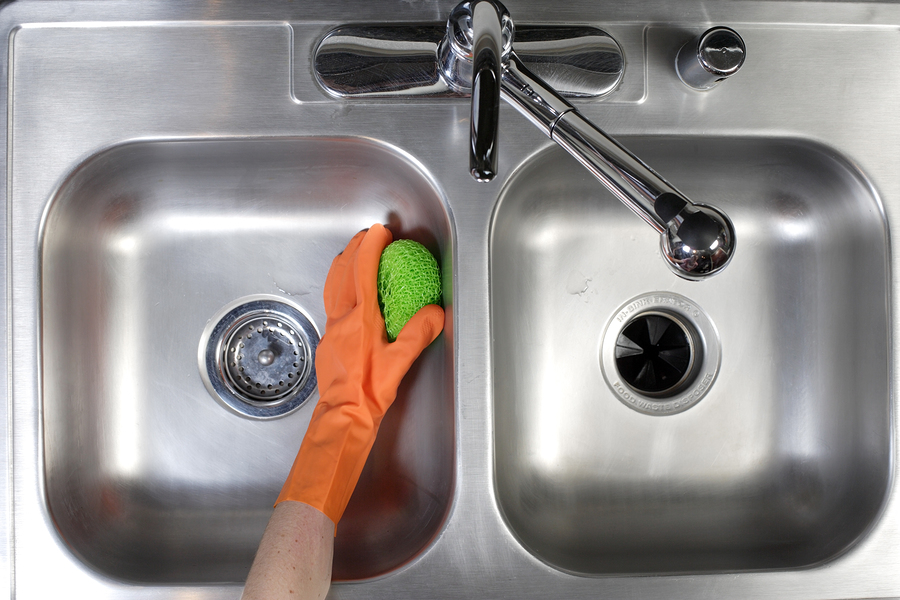
Well anyone with a cast iron skillet knows not to leave it in a wet sink overnight. Yet, many of us still forget or neglect this rule of thumb, only to wake up to an unsightly ring of rust tarnishing their once bright and shiny stainless steel sink. Fortunately, this blunder is easily corrected. All you need are a few common household supplies, and a little elbow grease. Even if your sink is ruined from rust and oxidation, you still have the option of recycling it for cash at a local scrap metal yard. Then you can put that cash towards a new stainless steel sink!

Continue reading to learn all of this and more!

Metal Recycling Center 317-244-0700

Rust Formation on Stainless Steel

Stainless steel isn’t exactly stainless. It is a chromium-based, ferrous metal, which means it is vulnerable to certain kinds of corrosion, such as oxidation, if it is not properly maintained. Oxidation occurs when oxygen and moisture come in contact with stainless steel. Upon such exposure, the properties in the metal will begin to interact with the properties in water and oxygen, which in turn, causes the iron in metal to corrode. Rust is simply a form of iron oxide.

What You Need to Clean Away Rust

Typically, simple baking soda solutions will do the trick when it comes to removing rust from metal. But for cast iron rust stains, you will need something a little stronger. An oxalic acid cleaner and a soft sponge are all you need, both of which can be found online or at your nearest grocery store. For oxalic acid cleaner, we recommend the Bar Keepers Friend® Soft Cleanser, which is a liquid version that does not contain any grit or abrasives. You can also use stainless steel polishes and cleaners, as well as, copper cleaners. You do not want to use anything caustic, or that contains harmful chlorides that will destroy the outer protective layer of your sink.

How to Get Started

The next time you leave your skillet in the sink, here is how to remove the residual rust stains:

🧼 Following the manufacturer’s instructions on your oxalic acid cleaner, apply a generous amount to the stained areas.

🧼 Dampen your sponge, and then scrub the cleaner into the stains, in the same direction of the grain.

🧼 Repeat the gentle scrubbing until you feel like the stain has lifted.

🧼 Then simply rinse your sink clean!

How to Scrap an Old Sink

If your sink is too old, or too stained to clean, you can recycle it at a local scrap metal recycling center. Some scrappers even pay for scrap metal, and an old sink is the perfect piece of scrap metal to recycle! After you recycle your old sink for cash, you can use it toward a brand new sink.

Indiana Scrap Metal Buyers Who Pay Cash on the Spot

Call Zore’s Recycling at 317-244-0700 to recycle steel in Indianapolis, Indiana. Not only has Zore’s Inc. been a family owned and operated company for over 75 years, we pay cash on the spot for your metal commodities. We accept cans, sheet metal, appliances, vehicles, auto parts, equipment, and more! Request a free estimate, today.
Which Metals are Recommended for Welding?

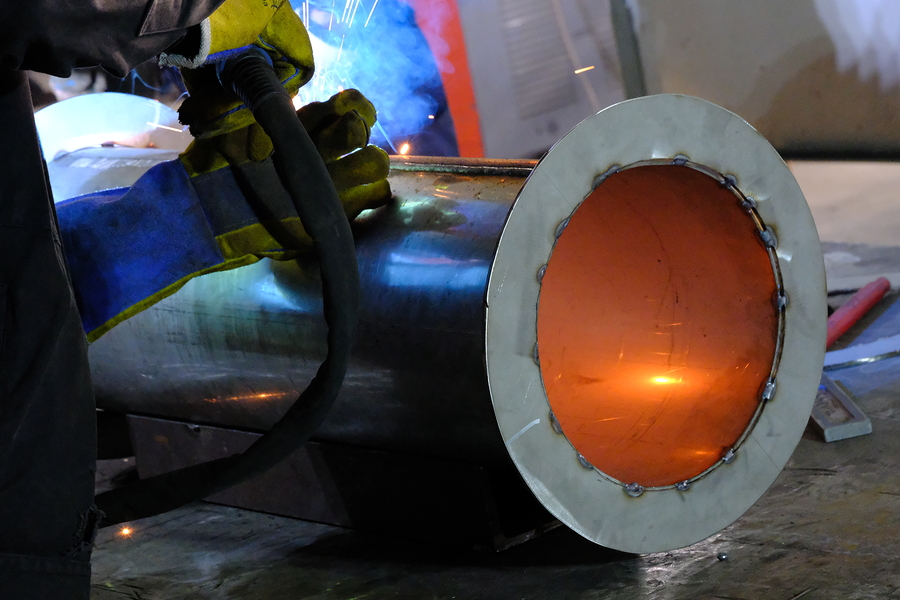
Welding is a highly-complex process that involves a load of chemistry and mechanical engineering. It is important to apply all the necessary steps and tools to ensure great results. Not only should your welding look good, it should perform well and stand the test of time. For these reasons and more, you must use the proper metal to weld your masterpiece together. Continue reading to learn which metals are most recommended for welding applications.

Indianapolis Metal Recycling Center 317-244-0700

Stainless Steel

Stainless steel is a top contender for welding applications. It is highly resistant to corrosion, tarnishing, and rust. The most common uses for stainless steel include food handling and processing, surgical instruments, medical devices, aircrafts, appliances, hardware, and more. Stainless steel usually contains anywhere from 15% to 30% alloy content. The common alloying ingredient in stainless steel is chromium, but nickel, copper, manganese, iron, and molybdenum are also used. Additionally, stainless steel comes in three groups based on crystalline structure: ferritic, austenitic, and martensitic. Ferritic and austenitic stainless steel grades are more suitable for welding, while martensitic stainless steel can prove to be more of a challenge.

Low Carbon Mild Steel

Low carbon steel, also known as “mild steel”, is considered to be the best metal option for welding applications. Containing an average of 0.04% to 0.30% carbon content, it is primarily used in the construction and building industry, and comes it a wide variety of shapes, from flat sheet to structural beam. The number of added alloys can be altered and adjusted to make low carbon steel better suited for certain applications. For example, Drawing Quality (DQ) steel has less carbon and more aluminum, while structural beam steel has more carbon and more manganese.

Aluminum

Aluminum is not as easy to weld as low carbon steel, but it is still workable. Found on the periodic table with the symbol “Al” and atomic number 13, aluminum has a silvery white finish, and mostly admired for its magnetic and ductile (good heat conductivity) properties. This makes aluminum a ferrous metal, meaning it contains iron. Compared to stainless steel, aluminum has higher oxidation and corrosion resistance properties, and is very light in weight. The most well-known use for aluminum is food and soda cans. But aside from canned goods, aluminum is also widely used in the automaker and aerospace industry for its ductile, corrosion-resistant qualities and more.

Other Possible Options:

Titanium – To weld titanium safely, you will need additional equipment, including shielding to prevent the metal from oxidizing.

High-Carbon Steel – To confidently weld high-carbon steel, you will need preheating and post-welding heat treatments to prevent cracks.

Super Alloys – Most super alloys can only have successful welding results if done in a vacuum.

Recycle Your Leftover Scrap Metal

You can support Earth’s sustainability by recycling metal as often as you can. Not only is this great for the environment since it reduces the need to mine for new ores, it stimulates our economy by proving jobs. Additionally, metal recycling can put cash straight into your wallet. You see, many local metal recycling centers pay cash on the spot for scrap metal.

Indianapolis Metal Recycling Services

Call Zore’s Recycling at 317-244-0700 to get started with profitable metal recycling services in Indianapolis, Indiana. Not only has Zore’s Inc. been a family owned and operated company for over 75 years, we pay cash on the spot for your metal commodities. We accept cans, sheet metal, appliances, vehicles, auto parts, equipment, and more! Request a free estimate, today.
Technologies Used to Sort and Separate Scrap Metal

The metal recycling process involves several steps that are equally important to the overall enterprise. From collecting and transporting materials, to sorting, processing, smelting, purifying, solidifying, re-purposing, distribution, and more, the scrap metal recycling industry works hard to ensure our natural resources are preserved. Many often wonder what it’s like taking in thousands of pounds of scrap metal and other materials, and how it is possible to separate the good stuff from the rest.

Well, continue reading to learn the top three technologies used in the business to separate scrap metal.

Metal Recycling Center 317-244-0700

Eddy Current Separation

For recyclable piles that contain a mixture of materials, Eddy current separation method is used to sort metal from the plastic, paper, and textiles. During the process, electrical currents are streamed across the pile of materials, which attracts and levitates all metal, even metals that are not magnetic. From here, the metals can be further separated using additional magnetic technologies.

Magnets

All metal can be categorized as ferrous or non-ferrous, since ferrous simply refers to iron content. After all, metal either has iron in it or it doesn’t. Fortunately, ferrous metal is magnetic, making it easy to perform an initial separate of ferrous and nonferrous materials at a scrap yard. Metals and materials that do not attract to the large-scale, industrial magnets remain in the pile for further separation.

Metal Sensing

Metals that are higher in value, such as lead, copper, and precious metal, must be separated using a more technologically advanced and sophisticated process. Metal sensing technologies work best, as they are designed with innovative sensors that detect such metals through infra-red scanning and x-ray. The common types of metal sensing include pyrometallurgy, hydrometallurgy, and biotechnology.

 Where to Recycle Scrap Metal in Indianapolis

Call Zore’s Recycling at 317-244-0700 to recycle scrap metal and make some fast money at the same time. We are a professional Indianapolis scrap metal recycling center that accepts and recycles all metals in any condition. Best of all, we pay cash on the spot for them! Recycle all sorts of stuff, including sheet metal and beams, cars, boats, construction equipment, power tools, old electronics, and more! Request a free estimate, today.
Types of Metal Categories and Common Examples of Each

If you are reading this blog, you are involved in the scrap metal or metal sales industry in some way or another. Or perhaps you are simply a person who is interested in learning more about metal recycling, and therefore, require a basic knowledge on the various types of metal. Either way, a good place to start is to learn about ferrous, non-ferrous, base, noble, and precious metal. Continue below to get started!

Indianapolis Scrap Metal Buyers
Indianapolis Scrap Metal Buyers 317-244-0700

Ferrous and Non-Ferrous Metals

Ferrous metals are those that contain iron. Non-ferrous metals are those that do not contain iron. In order to tell the difference between a ferrous and non-ferrous metal, all you need is a strong magnet. If the magnet attracts to the object, it is ferrous, and contains iron. Iron retains natural magnet properties, making it easy to decipher among iron and non-iron items. The most common types of ferrous metals are carbon steel, stainless steel, cast iron, wrought iron, and mild steel. The most common types of non-ferrous metals are copper, nickel, brass, aluminum, tin, lead, zinc, and precious metals like gold and silver.

Precious Metals

Precious metals are those that are naturally-occurring and very rare, giving them high economic value. Precious metals can be either ferrous or non-ferrous, depending on its various alloys. Common precious metals include platinum, gold, and silver, while rarer examples include tungsten, zirconium, cobalt, rhodium, palladium, ruthenium, osmium, beryllium, cadmium, bismuth, selenium, mercury, and germanium. Most often, precious metals are used to make jewelry and art, but also for medical instruments, computers, and electronics.

Noble Metals

Noble metals include both precious and non-ferrous metals. Noble metals are metals that are resistant to corrosion and oxidation in moist conditions, namely humidity. Copper is the only non-precious metal that is also a noble metal by the actual physics definition. But this is arguable since copper is vulnerable to both corrosion and oxidation. Other examples of noble metals include copper, gold, silver, iridium, platinum, rhodium, rhenium, palladium, ruthenium, osmium, mercury.

Base Metals

Scientifically, there is not just one authoritative definition for a base metal. In fact, there are three, each one exercised independently from one another depending on the s[specific application of the metal. The most accepted definition of a base metal is one that is neither noble nor precious. Noble metals and precious metals are quite similar, and also have multiple definitions and applications. To better understand the meaning of a base metal, you will need to review the basic meanings of noble and precious metals first.

Where to Recycle Scrap Metal in Indianapolis

Call Zore’s Recycling at 317-244-0700 to get paid cash on the spot for scrap metal recycling in Indianapolis, Indiana. We pay top-dollar for power tools, sheet metal, appliances, cars, trucks, motorcycles, golf carts, farm equipment, construction equipment, and more. And we guarantee to pay you cash on the spot! Call 317-244-0700 to make fast cash, today!

How to Support Steel Sustainability

When it comes to steel manufacturing, the North American economy has a lot to be thankful for. Not only is steel a highly valuable and versatile element that delivers a wide range of qualities that can be applied to infinite industries and initiatives, it is 100% recyclable. In fact, many new steel products are likely to contain anywhere from 25% to 100% of recycled material. If you wish to help support our economy’s steel sustainability efforts, metal recycling is the easiest and quickest way to start contributing.

Continue reading to learn some important facts about steel and steel manufacturing, including how metal recycling can help the environment, your local community, and even your bank account.

Steel Metal Recycling
Indianapolis Steel Metal Recycling 317-244-0700

Facts About Steel

Steel is an alloy of iron and carbon, but sometimes contains other alloys, such as manganese or nickel, depending on the grade of steel it is. Accordingly, it’s properties will vary depending on the particular elements it contains. Mostly, iron is the base metal of all steel. However, when iron is melted down from ore, it retains more carbon than necessary. So, in order to become steel, the carbon must be reduced through reprocessing. Then other elements can be added to make it a certain type of steel.

Steel can be organized into four categories depending on certain physical, chemical, and environmental properties; all of which are determined by the amount of carbon and any additional alloys. These classifications of steel include carbon, alloy, stainless and tool. See our blog, “The Four Categories of Steel” to learn facts about each type of steel.

Steel is light in weight, yet retains high tensile strength. It is also magnetic, or ferrous. Because of its useful qualities, steel is mostly applied to manufacturing or construction of buildings, infrastructure, tools, ships, trains, automobiles, machines, appliances, and weapons. When calculated through its entire life cycle, steel delivers a superior level of performance with the least amount of impact on our environment. It is lower in cost, and can be repurposed and reused, infinitely.

How to Recycle Steel

You can support our economy’s steel sustainability by recycling metal as often as you can. Not only is this great for the environment since it reduces the need to mine for new ores, it stimulates our economy by proving jobs. Additionally, metal recycling can put cash straight into your wallet. You see, many Indianapolis metal recycling centers pay cash on the spot for scrap metal. Anything made of steel or iron will get you a decent profit. See our blog, “Profitable Steel Recycling” to learn which steel commodities you can recycle and their estimated value.

So, how do you find a trusted metal recycling center that will pay you the most for your scrap metal? Simply trust the same metal recycling leaders that all other Hoosiers have for decades: Zore’s Recycling!

Indianapolis Steel Recycling Services

Call Zore’s Recycling at 317-244-0700 to get started with profitable metal recycling services in Indianapolis, Indiana. Not only has Zore’s Inc. been a family owned and operated company for over 75 years, we pay cash on the spot for your metal commodities. We accept cans, sheet metal, appliances, vehicles, auto parts, equipment, and more! Request a free estimate, today.

Which Metals Can I Recycle?

If you are interested in joining the thousands of other Hoosiers out there in the metal recycling initiative, you might be asking yourself where and how to get started. A common introductory question about metal recycling is simply, “which metals can and cannot be recycled?” Well, all metal is 100% recyclable, which means anything containing or made of metal can be recycled in some manner.

Continue reading to get some ideas of where you can find potential metal commodities to take to your local recycling center.

Metal Recycling Center
Metal Recycling Center 317-244-0700

Metal can be reprocessed over and over again, indefinitely, making it a highly beneficial element to recycle. Furthermore, you get paid for recycling metal, so not only are you doing something positive for the planet, you are also profiting yourself!

Types of Metal to Recycle:

    ♻ Iron
    ♻ Steel
    ♻ Carbon Steel
    ♻ Alloy Steel
    ♻ Stainless Steel
    ♻ Tool Steel
    ♻ HSLA
    ♻ Aluminum
    ♻ Copper
    ♻ Nickle
    ♻ Titanium
    ♻ Tungsten
    ♻ Brass
    ♻ Precious Metals
    ♻ Chromium
    ♻ Lead
    ♻ Tin
    ♻ Beryllium
    ♻ Zinc
    ♻ Mercury
    ♻ Bismuth
    ♻ Selenium
    ♻ Indium
    ♻ Germanium
    ♻ Cadmium
    ♻ Cerium
    ♻ Magnesium
    ♻ Super Alloys

Ideas for Recyclable Scrap Metal:

🏠 HOME – Foods cans, aluminum foil, bake ware, coffee cans, jewelry, copper items, metal cutlery, paint cans, aerosol spray cans, and more.

🏢 OFFICE – Electronics, laptops, computers, modems, fax machines, copiers, vending machines, HVAC equipment, microwaves, answering machines, keyboards, phones, remote controls, video recording devices, video surveillance, navigation equipment, speakers, circuit boards, electric wiring, paperclips, staples, and more.

🏙 COMMUNITY – Construction site scrap, scrap metal, cars, boats, motorcycles, scooters, golf carts, go-karts, auto parts, steel beams, bulk hardware, and more.

HAZARDOUS ITEMS – Refrigerators, air conditioners, car batteries, standard batteries, button batteries, rechargeable batteries, and any other type of battery should be collected and recycled at a local facility.

Getting Started

How do you find a trusted metal recycling center in Indianapolis that will pay you the most for your scrap metal? Simply trust the same metal recycling leaders that all other Hoosiers have for decades: Zore’s Recycling!

Call Zore’s Recycling at 317-244-0700 to recycle metal in Indianapolis, Indiana. Not only has Zore’s Inc. been a family owned and operated company for over 75 years, we pay cash on the spot for your metal commodities. We accept cans, sheet metal, appliances, vehicles, auto parts, equipment, and more! Request a free estimate, today.

What are Red, Yellow and Green Metals?

On our planet, and within the core, lies hundreds of thousands of natural ores and minerals that we mine to make metal. Of the vast varieties of metals found within the Earth, all can be categorized as either ferrous or nonferrous. Ferrous metals and alloys contain iron, while nonferrous contain no iron.

Aside from these umbrella categories, metals can be further broken down into more intimate classifications and descriptions, such as precious and noble metals. But have you ever heard of metals being described using color? Well, it is possible that you have come across red metals, yellow metals, and even green metals!

Continue reading to learn facts about each type of metal, including examples and common applications.

Indianapolis Metal Recycling
Indianapolis Metal Recycling 317-244-0700

Red Metals

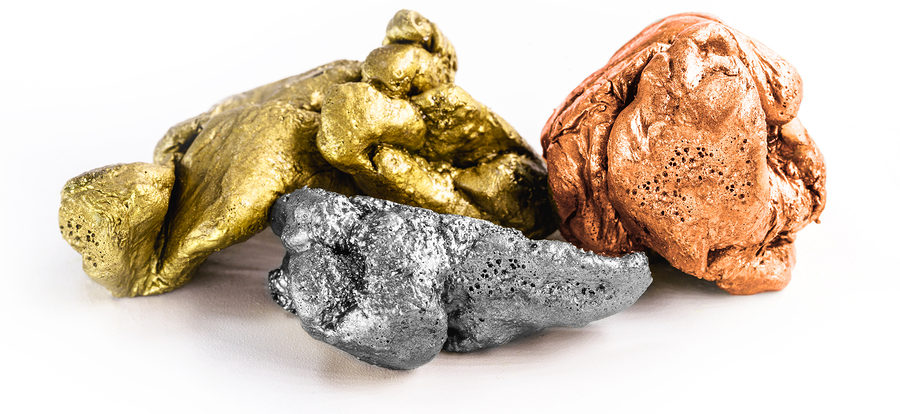
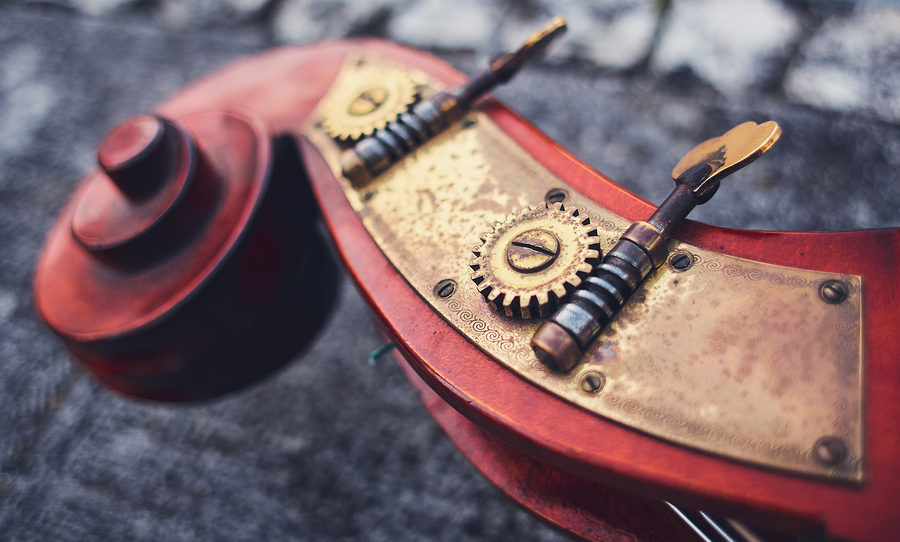
Red metal is an informal term used to denote common alloys we know as copper, bronze, and brass. You can probably see quite well that all three of these alloys have a red-like tone, thus earning them the aforementioned moniker. Red metals have several beneficial attributes, such as corrosion resistance, high conductivity, high tensile strength, ductility, and aesthetics. For this reason, they are commonly used to make musical instruments, plumbing parts, wires, marine hardware, sculptures, and more.

Yellow Metals

Also known as Muntz metal, yellow metal is named after an English businessman, George F. Muntz, who received a patent in 1832. Although they may share some of the same types of metal, red and yellow metals are much different. Yellow metals is another informal moniker used to describe a type of brass alloy that contains an average composition of 60% copper and 40% zinc. It’s most common applications is for manufacturing corrosion-resistant machinery parts.

Green Metals

There are actually not metals known as “green” metals, however, you may have heard of electrum, which is often called “green gold.” Wikipedia.com describes electrum as “a naturally occurring alloy of gold and silver, with trace amounts of copper and other metals.” An alloy is a metal that is made up of two or more metals, such as brass, which contains copper and zinc. It’s most common applications throughout history, and even now, are for jewelry, plated plaques and awards, coinage, and investments.

Indianapolis Metal Recycling

Call Zore’s Recycling at 317-244-0700 to get paid cash on the spot for scrap metal, or any items that contain any type of metal, in Indianapolis, Indiana. We pay top-dollar for power tools, sheet metal, appliances, cars, trucks, motorcycles, golf carts, farm equipment, construction equipment, and more. And we guarantee to pay you cash on the spot! Call 317-244-0700 to make fast cash, today!

Can I Recycle Precious Metal?

Precious metals are rare, naturally-occurring, and retain high economic value. They are mostly used for currency, jewelry, and industrial applications. Common types include gold, silver, platinum, palladium, titanium, chromium, zirconium, tungsten, cobalt, rhodium, indium, rhenium, osmium, iridium, and ruthenium.

Continue reading to review some frequently asked questions about recycling precious metals, and perhaps be motivated to jump on board with this important environmental initiative!

Precious Metal Recycling 317-244-0700

Can All Precious Metals Be Recycled?

Yes; all metal can be recycled, including noble, precious, ferrous, and non-ferrous alloys. Not only can you recycle these metals to be repurposed, you can also make money from the entire process. Many scrap metal buyers pay cash on the spot for any metals and alloys. They even accept junk that contains metal, regardless of age or condition.

What is the Current Value of Precious Metal?

Right now, the London Fix values report that Gold is around $1,328.30, Silver is around $16.66, Platinum is around $927.00, Palladium is around $962.00, and Rhodium is around $1,900. These values change virtually every day, as they are easily influenced by numerous worldwide factors.

What Can I Find Titanium to Recycle?

Titanium metal can be found in all sorts of places, even just around your house. Items like dental implants, jewelry, eye wear, watches, and electronic protective cases are common items made with titanium. Other common items include drill bits, wrenches, bolts, and other tools. It is also a common element in motorcycle parts, like brake components, exhausts, clutch levers, and even handlebars.

Is a Precious Metal a Noble Metal?

Noble metals include both precious and non-ferrous metals. Non-ferrous metals do not contain iron, so they are resistant to several elements and subsequent damage, including humidity, chemicals, oxidation, and more. Precious metals are naturally-occurring and retain higher economic value. Noble metals are metals that are resistant to corrosion and oxidation in moist conditions, namely humidity.

Where Can I Recycle Precious Metal?

It is simple to find a company or service that buys, recycles, refines, and sells precious metals. Simply look to your local directories for a trusted and reputable Indianapolis metal recycling center in your city. It is important to find the company that can offer you the best and fairest return for your gold, silver, platinum, or other scrap metal you wish to recycle.

Trust None Other Than Zore’s Recycling!

Call Zore’s Recycling at 317-244-0700 to recycle scrap metal in Indianapolis, Indiana. We pay top dollar for all metals, regardless of age or condition. We buy vehicles, equipment, sheet metal, electrical wiring, computers, auto parts, power tools, appliances, and much more. And we guarantee to pay you cash on the spot! Call 317-244-0700 to make fast cash, today!