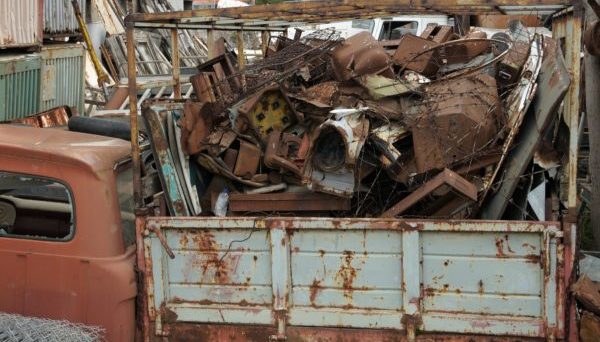
How to Perform a Ferrous Metal Test

When you are dealing with metal, whether for recycling or construction purposes, you may come across a time that requires you to know how to separate ferrous metal from non-ferrous metal. Fortunately, this test is easy to do, and can be done on the spot virtually anywhere.

Continue reading to learn the difference between ferrous and non-ferrous metal, and how to perform a quick test to distinguish between them.

Metal Recycling Center 317-244-0700

We Buy Ferrous and Non-Ferrous Scrap Metal! 317-244-0700

Ferrous Metal

Ferrous metal is any metal that contains traces of iron.

Ferrous metals are heavier, less malleable, and contain magnetic properties. Also, they are more vulnerable to rust. If you see rust, the metal is definitely a ferrous one. Ferrous metal is commonly used to manufacture or construct commodities that can resist corrosion and remain strong and stable, such as industrial containers, rail roads, farming equipment, automotive parts, motors, drill bits, electrical appliances, power tools, and more. Common examples of ferrous metals include carbon steel, stainless steel, cast iron, wrought iron, mild steel, and any other forms of steel and iron.

Non-Ferrous Metal

Non-ferrous metal is any metal that does not contain iron.

Non-ferrous metals are lighter and more malleable than ferrous metals. These qualities make them a common manufacturing material for industries that have weight restrictions, but require strength, such as aviation or food canning. Non-ferrous metals also have a high resistance to rust and corrosion. As a result, nonferrous metal is widely used in the production of house gutters, road signs, roofs, piping, and more. Metals like copper, nickel, aluminum, brass, lead, tin, zinc, and more are all examples of nonferrous metals. Also, precious metals are iron-free; such as gold, chromium, tungsten, silver, zirconium, mercury, cobalt, bismuth, cadmium, beryllium, and more.

The Ferrous Test:

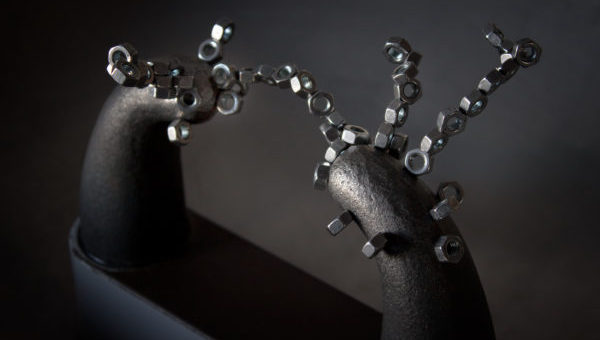
In order to distinguish ferrous from non-ferrous metals is to perform a manual test. To perform this test, all you need is a strong magnet. You see, as mentioned, ferrous metals retain magnetic qualities, and non-ferrous metals do not. So if a magnet sticks to your metal, it contains iron, which also means it is ferrous metal. If the magnet does not attract, the metal does not contain iron, which means it is non-ferrous.

Where to Recycle Metal in Indy

Indianapolis Metal Recycling 317-244-0700
Indianapolis Metal Recycling 317-244-0700
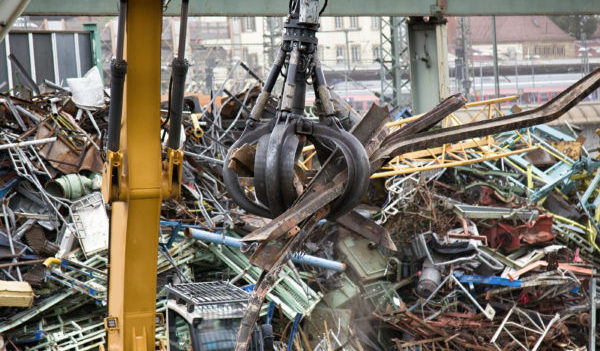
Call Zore’s Recycling division at 317-244-0700 to recycle metal in Indianapolis, Indiana for cash. We have been a family owned and operated company for over 75 years, and continue to make customer satisfaction our number one goal in our metal recycling division. And to make recycling easier for you, we offer several customer conveniences at no extra charge! Request a free estimate, today.

The Three Definitions of a Base Metal

Base metals are primarily found in the jewelry industry, but are also quite prevalent in various other manufacturing industries. Continue reading to learn how base metals are defined, which metals fall under this category, and more.

Metal Recycling Center 317-244-0700

Metal Recycling Center 317-244-0700

Base Metals Defined

Technically, there is not just one definition of a base metal. In fact, there are three definitions, and each one is exercised depending on the application of the metal. The most popular and common definition of base metals are those that are not noble nor precious in nature. Noble metals and precious metals are quite similar, and also have multiple definitions and applications. To better understand the meaning of a base metal, you will need to review the basic meanings of noble and precious metals first.

Noble Metals

Noble metals include both precious and non-ferrous metals. Non-ferrous metals do not contain iron, so they are resistant to several elements and subsequent damage, including humidity, chemicals, oxidation, and more. Precious metals are naturally-occurring and retain higher economic value. Noble metals are metals that are resistant to corrosion and oxidation in moist conditions, namely humidity.

Copper is the only non-precious metal that is also a noble metal by the actual physics definition. But this is arguable since copper is vulnerable to both corrosion and oxidation. Other examples of noble metals include copper, gold, silver, iridium, platinum, rhodium, rhenium, palladium, ruthenium, osmium, mercury.

Precious Metals

A precious metal is any pure metal that is rare and occurs naturally in the environment. They are made up of natural chemical elements that retain high economic value. From a chemical standpoint, precious metals do not react as much as other elements do; in fact, they are usually ductile. Precious metals are high in luster and shine; which made them popular forms of currency in historical times. In today’s society, precious metals are viewed more as an investment or industrial commodity.

The most universally known precious metals are the chief coinage metals, gold and silver. Other examples of precious metals include platinum, rhodium, palladium, ruthenium, osmium, zirconium, beryllium, cadmium, bismuth, tungsten, selenium, mercury, cobalt, and germanium.

Secondary and Tertiary Definitions

Another common definition of base metals are metals that are a prime metallic element in an alloy. For example, bronze metal is mostly made up of copper, so copper would be the base metal of bronze. A third definition sometimes used to define base metals is the metal core underlying a coating. For example, nickel has been plated with iron or brass throughout history. In another example, galvanized steel is often coated with zinc.

The most commonly considered base metals are copper, tin, aluminum, nickel, zinc, and lead. However, according to the United States Customs and Border Protection, iron, steel, aluminum, molybdenum, tungsten, and several other “transition metals” are also considered base metals.

Recycle Scrap Metal for Cash!

Indianapolis Metal Recycling 317-244-0700
Indianapolis Metal Recycling 317-244-0700
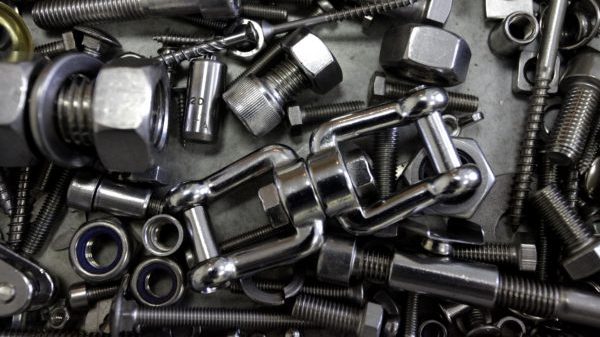
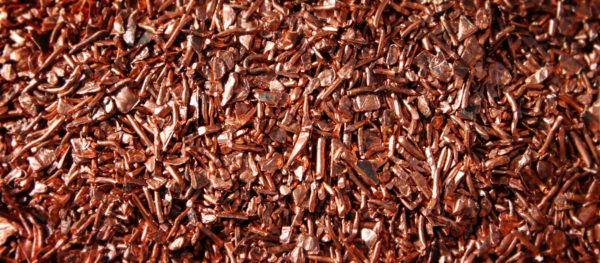
If you have scrap metal laying around, sell it to Zore’s Recycling for cash on the spot! We accept all metals and metal commodities, including sheet metal, piping, electrical wiring, motorized vehicles, auto parts, construction equipment, major appliances, power tools, watercrafts, and more. We are the scrap metal recycling center Hoosiers trust. Call 317-244-0700 for a free offer for your scrap metal in Indianapolis, Indiana.

The Three Main Categories of Carbon Steel

There are four basic categories of steel according to the American Iron & Steel Institute (AISI). These four groups include Carbon steel, Alloy steel, Stainless steel, and Tool steel, all of which are classified based on their chemical compositions. You can easily remember this by using the acronym, “C-A-S-T.”

Of these 4 primary groups, steel can be further classified by varied properties, including physical, environmental, and chemical. This allows for many different grades of steel. Although all steel is made up of iron and carbon, the measurement of carbon and the particular alloys it contains is what determines the actual properties of each grade of steel.

One of the most common grades is Carbon steel. Continue reading to learn the three main categories of carbon steel.

Steel Recycling 317-244-0700

Steel Recycling 317-244-0700

Carbon steel can be categorized into 3 primary groups: Low, Medium, and High Carbon Steel:

Low Carbon Steel

Low carbon steel is also known as “mild steel” and contains an average of 0.04% to 0.30% carbon content. As a category of carbon steel, it is the largest group. It is primarily used in the construction and building industry, and comes it a wide variety of shapes, from flat sheet to structural beam. The amount of added alloys can be altered and adjusted to make low carbon steel better suited for certain applications. For example, Drawing Quality (DQ) steel has less carbon and more aluminum, while structural beam steel has more carbon and more manganese.

Medium Carbon Steel

Medium carbon steel contains an average carbon content between 0.31% and 0.60%, with an average manganese content of 0.060 percent to 1.65 percent. Compared to low carbon steel, medium carbon steel is stronger, making it well-suited for automotive parts, railway systems and parts, structural beams, and more. However, due to its strength, it is more difficult to mold, shape, cut, and weld. Heat treatment is usually needed to hardening and tempering medium carbon steel.

High Carbon Steel

High carbon steel is also referred to as “carbon tool steel”, and contains an average carbon content between 0.61% and 1.50%. Similar to medium carbon steel, high carbon steel is hard to cut, mold, and weld, and requires heat treatment for hardening and tempering. Due to its properties, it is often used in the manufacturing of tools such as woodworking and cutting tools, as well as, high strength wires and more. Until recently, it was commonly used for railways.

Recycling Scrap Steel for Cash

Indianapolis Metal Recycling 317-244-0700
Indianapolis Metal Recycling 317-244-0700
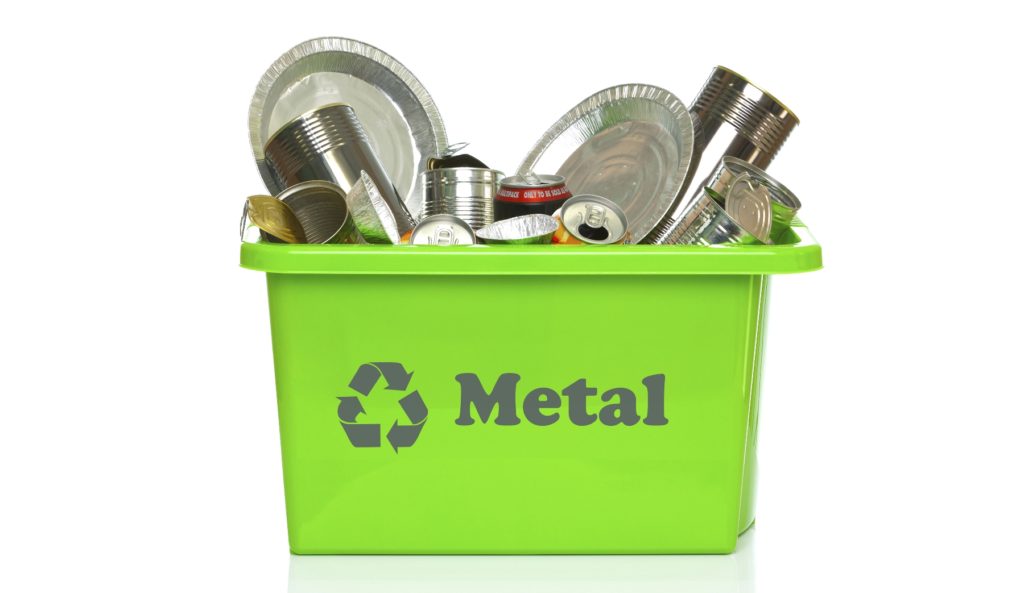
Call Zore’s Recycling at 317-244-0700 to recycle scrap steel metal and make some fast money at the same time. We are a professional Indianapolis scrap metal recycling center that accepts and recycles all metals in any condition. Best of all, we pay cash on the spot for them! Recycle all sorts of stuff, including sheet metal and beams, cars, boats, construction equipment, power tools, old electronics, and more! Request a free estimate, today.

3 Categories of Metal That Can Be Recycled

We are fortunate as a society to have succeeded in developing several new advancements in recycling technology. Today, we have the innovative equipment and industrial resources to responsibly recycle more items than ever before! It is important to have an eco-friendly agenda in order to preserve our natural resources, and metal recycling is a great place to start if you are new to the initiative! Continue reading to learn the 3 primary categories of metal, and which items around the house fall into these particular groups.

Metal Recycling Center 317-244-0700

Metal Recycling Center 317-244-0700

Ferrous Metal

Ferrous metal is any metal that contains iron. In fact, the term “ferrous” comes from the Latin word ferrum, which translate to iron. Iron-containing metal is very strong and durable, and retains varying degrees of resistance to corrosion. However, it can be prone to oxidation (rust). The most common examples of ferrous metal include iron, cast iron, and wrought iron, as well as, steel, mild steel, carbon steel, alloy steel, HSLA steel, tool steel, and stainless steel. You can identify a ferrous metal by testing its magnetic properties. When a metal object is magnetic, it contains iron. If you are looking for ferrous metals to recycle around the house or at work, consider these items:

— Cars
— Trucks
— Mechanical Auto Parts
— Construction Equipment
— Farming Equipment— Large-Scale Piping
— Industrial Containers
— Cast Iron Skillets
— Older Radiators
— Plumbing Pipes
— Tools
— Hardware
— Metal Fixtures and Hinges
— Knives
— Steel Food Cans
— Steel Coffee Cans
— Steel Casing or Framing in Appliances (i.e. refrigerators, ovens and dishwashers)

Non-Ferrous Metal

Non-ferrous metal is any metal that does not contain iron. They are revered for their high conductivity levels, as well as their malleability and versatility. They also have a higher resistance to rust and corrosion because they do not contain any iron compounds. You can distinguish a ferrous metal from a non-ferrous metal by using a magnet. If it is not magnetic, then it is non-ferrous. You can remember this with the saying, non-magnetic equals non-ferrous. There are many types of metals that do not contain iron, including copper, tin, aluminum, cobalt, zinc, chromium, nickel, brass, tungsten, titanium, lead, and even precious metal, which is our 3rd category! Here are some common household and commercial items that are non-ferrous recyclable metals:

— Foil
— Soup Cans
— Food Cans
— Electrical Wiring
— Small Electronics
— Plumbing Pipes
— Building Materials
— Bronze/Brass Décor
— Medical and Scientific Equipment
— Car Batteries
— Costume Jewelry
— And More

Precious Metals

Precious metals are the last category of recyclable metals. They are rare, naturally-occurring, and retain high economic value. These include gold, silver, platinum, zirconium, palladium, tungsten, cobalt, ruthenium, rhodium, iridium, osmium, rhenium, indium, electrum (a naturally-occurring alloy of silver and gold) and more. Because of their high value and corrosion-resistant qualities, precious metals are commonly used in the jewelry and currency industries. They also have certain industrial applications. Precious metals can be found in several household items, including:

— Jewelry
— Smartphones
— Major Appliances
— Small Appliances
— Gaming Consoles
— Computers
— Televisions
— Décor
— Coin Collections
— Trophies
— Plate Ware
— Catalytic Converters
— And More

You Can Recycle Metal for Cash in Indianapolis!

Indianapolis Metal Recycling 317-244-0700
Indianapolis Metal Recycling 317-244-0700

Call Zore’s Recycling at 317-244-0700 to recycle scrap metal for cash in Indianapolis, Indiana. We pay top dollar for all metals, regardless of age or condition. We buy vehicles, equipment, sheet metal, electrical wiring, computers, auto parts, power tools, appliances, and much more. And we guarantee to pay you cash on the spot! Call 317-244-0700 to make fast cash, today!

Is Bronze a Type of Metal?

Bronze is an alloy, meaning it is made from two or more elements, one of which being a metal. The primary metal in all bronze is copper, and the common addition is usually tin or aluminum; but the remaining composition can also be elements such as other metals and alloys (manganese, zinc, nickel), or even non-metals like silicon, arsenic, and phosphorus. In fact, several types of bronze exist, and each differ based on their additional elements and chemical compositions. Continue reading to learn more about bronze and its current uses in today’s world.

Bronze Recycling 317-244-0700

Bronze Recycling 317-244-0700

Bronze Ages

Bronze was among the first metals used by man, and can be dated all the way back to 3000 BC. Early civilizations used bronze to make everything from body armor to sculptures, and more. The properties of bronze metal were highly desirable for commodities such as these, as well as, weaponry, tools, building materials, and even fashion. Today, bronze and copper alloys are generally referred to as brass or considered a type of brass. Brass being copper and zinc combined. In today’s world, the lines are blurred between copper tin alloys and copper zinc alloys since bronze can be made with all three.

Properties of Bronze

Bronze is so popular for several purposes and commodities because of its beneficial properties. Bronze is mostly copper, but it becomes what we know as bronze when other elements are added, such as tin, aluminum, zinc, nickel, manganese, phosphorus, silicon, and arsenic. Modern bronze is mostly made of copper and tin, and sometimes small percentages of additional elements. But all of these elements can be mixed and matched and combine with copper to create a long list of different types of bronze alloys.

Here are a few attributes of bronze:

Harder than Copper and Iron
Corrosion-Resistant
Strong and Durable
Ductile
Lower Melting Point
Easily Fusible
Dull Gold-Like Color
Small Surface Rings

Common Bronzes

There are infinite possibilities when it comes to creating different compositions of bronze metal, but the most commonly-used in today’s society are modern bronze, bismuth bronze, plastic bronze, commercial bronze, architectural bronze, aluminum bronze, phosphor bronze, manganese bronze, and bell bronze.

Here is the composition information about each of the aforementioned bronze alloys:

Modern88% Copper 12% Tin
Bismuth52% Copper 30% Nickel 12% Zinc, 5% Lead, and 1% Bismuth
PlasticHigh Quantities of Lead
Commercial90% Copper 10% Zinc
Architectural57% Copper 3% Lead 40% Zinc
AluminumCombination of 5-11% Aluminum, Copper, and Varying Levels of Alloys like Manganese, Silicon, Iron, and Nickel
PhosphorCombination of Copper, 3.5-10% Tin, and Up to 1% Phosphorus
ManganeseCopper, Aluminum, Iron, and 2-5% Manganese
Bell78% Copper 22% Tin, Sulfide, and Stannite

Recycle Metal in Indianapolis

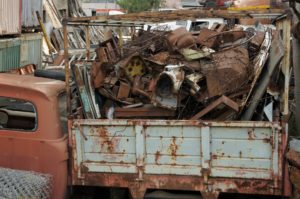
Choose a local Indianapolis metal recycling center to recycle copper, brass, and bronze scrap metal for a cash profit. You can find these kinds of metals in several commodities like cars, auto parts, appliances, electronics, and more! Whether broken, old, missing parts, or brand new, you can sell them for cash on the spot at your local trusted scrap metal recycling company.

Indianapolis Metal Recycling 317-244-0700
Indianapolis Metal Recycling 317-244-0700
Call Zore’s Recycling division at 317-244-0700 to recycle metal in Indianapolis, Indiana for cash. Zore’s Inc. has been a family owned and operated company for over 75 years, and continues to make customer satisfaction their number one goal in their metal recycling division. And to make recycling easier for you, they offer several customer conveniences at no extra charge! Call 317-244-0700 to request a free estimate, today.

Can You Make Money from Recycling Metal?

Metal Recycling Center 317-244-0700

Metal Recycling Center 317-244-0700

Recycling is a fantastic trend that only progresses the Green movement. It is also a great way to make a few extra bucks. A person can recycle old clothing to second hand boutique stores for some quick cash, or other items; like toys, furniture, plastic bottles, newspaper, and more. But what about metal? Many people wonder how they can make money by recycling scrap metal or metal things for extra income.

The answer is actually very easy. The hard part is determining which metal items you own are worth money. All metal items are basically recyclable and reusable, but some metal is higher in value than others. Continue reading to learn more about how to recycle metal for cash and who to call to get this done the fastest.

Recycling Scrap Metal for Money

Once you understand that this is a real thing and you really can recycle metal for cash, you must figure out where you can do this at. This step comes before gathering your recyclable because not all scrap metals are accepted and bought. The best place to start is by calling a local scrap metal yard or metal recycling company. Yes, these do indeed exist. Simply look for them in a local directory or ask for a referral from a trustworthy source. These metal recycling companies and junk metal yards retain the proper equipment and tools to break these metal components and items down to produce a universal and reusable product. Not all of these companies offer the same returns, so it is best to call around and look for the highest offer. These offers will mostly depend on a variety of factors; including:

• The Type of Metal
• The Rarity of the Metal
• The Weight and Size
• Additionally Requested Services (i.e. pick-up, loading, transporting, etc.)

The next step, once you find a few companies to choose from, is to determine what metal items you have and want to recycle. There are several different types of metal, and several items that are made of metal that can be recycled. In fact, there are many things made from metal that can be recycled for cash that not many people know about.

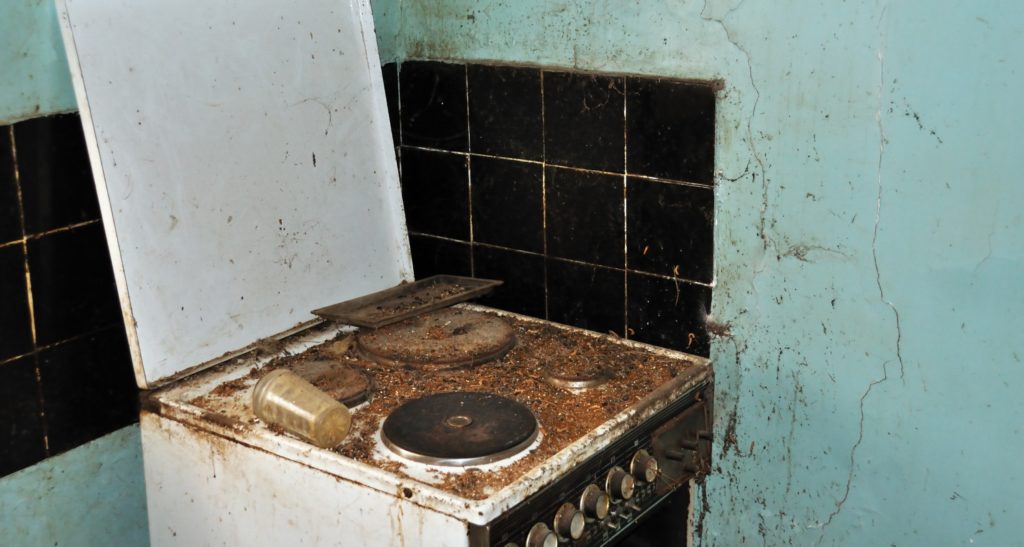
For example, bed frames, washer and dryers, stoves, ovens, blenders, jewelry, electrical gadgets, and even cars can be recycled! Metal like tin, copper, steel, aluminum, brass, iron, nickel, and chromium can be bought and recycled. Also, precious metals like gold, silver, zirconium, tungsten, and cobalt can be recycled. Scrap metal recycling companies will buy these items from you and recycle them for reuse. It is a wonderful commodity in today’s age!

Call Zore’s Recycling if you want the highest return for metal recycling!

Indianapolis Metal Recycling 317-244-0700
Indianapolis Metal Recycling 317-244-0700

Call 317-244-0700 and get free estimates for the metal items you have and wish to recycle for cash. We offer various services to assist people in recycling larger items; such as pick up and loading services, and more. If you are interested in learning more about scrap metal recycling, call 317-244-0700 today.

Where to Look for Saleable Scrap Metal in Your Home

If you are in need of some extra cash, you don’t have to look further than your very own home. There are endless items in your house that don’t have to be classified as junk any longer! Sell your scrap metal junk to Zore’s Recycling and get paid cash on the spot!

Metal Recycling Center 317-244-0700

Metal Recycling Center 317-244-0700

Laundry Room

Your washing machine and your dryer are both primarily constructed of steel, as well as, iron, aluminum, and other valuable metals. If you are preparing to buy a brand new set because your current one is on its last leg, you can sell them to Zore’s Inc. instead of throwing in the garbage. Then put your newfound profit toward your new washing machine and dryer! Other possible laundry room items to scrap for metal: wire racks, metal stools, ironing boards, irons, sinks, faucets, plumbing pipes, and more.

Kitchen

In the kitchen, you will a plethora of options when it comes to scrapping metal for cash. Stoves, dishwashing machines, refrigerators, microwaves, toaster ovens, ranges, trash compactors, and all other mechanical appliances are all constructed of metal parts. If one breaks or comes of age, you can recycle the metal and use the cash for something new! You can also recycle tin and aluminum cans, stainless steel pots and pans, stainless steel or silver cutlery, silver serving dishes, cabinet hardware, plumbing fixtures, sinks, and metal racks.

Garage, Shed, and Storage

If you really want to make a profit, you can recycle big ticket items made from metal, such as airplanes, cars, trucks, recreational vehicles, campers, trailers, motorcycles, boats, jet skis, construction equipment, farming equipment, golf carts, scooters, mopeds, motorbikes, electric bikes, forklifts, tractors, riding lawn mowers, and automotive parts.

Bedrooms and More

Anything electronic in your home has a valuable circuit board, as well as, several other valuable metal components. This means you can find all sorts of profitable scrap metal in your office, bedrooms, living rooms, family rooms, lofts, finished basements, and more. Recycle items such as televisions, stereos, computers, laptops, routers, video cameras, tablets, landline phones, smart phones, fax machines, copiers, and anything else that is powered by electricity. You can also recycle other possessions for cash, including power tools, and more.

Get Started Today!

Indianapolis Metal Recycling 317-244-0700

Indianapolis Metal Recycling 317-244-0700

When you recycle metal, you get rid of junk and make some money at the same time. Who can be unhappy with that arrangement? Call Zore’s Recycling at 317-244-0700 to learn how to recycle scrap metal in Indianapolis, today. Our friendly office managers are standing by, eager to take your call. With more than 75 years in business, you can trust us for accurate and honest metal assessments, as well as, cash paid on the spot! Call 317-244-0700 to request a free estimate for your scrap metal, today!

Learn the Differences Between Expanded Metal, Perforated Metal, and Wire Mesh

People shop for expanded metal, perforated metal, and wire mesh for a number of reasons. All three provide drainage, ventilation, and even décor. But how do you choose among all three? Continue reading to learn more about all three types of sheet metal, and the characteristics that make them different from each other.

Metal Recycling Center 317-244-0700

Metal Recycling Center 317-244-0700

Expanded Sheet Metal

The manufacturing process for sheet metal can be described as cutting multiple small slits into the sheet, and then stretching it out to “expand” the slits. The slit pattern looks like the basic shape of an eye or horizontal diamond, in a chain-like series throughout the sheet. This design not only makes manufacturing costs down since there is no waste, it strengthens the metal, making it more durable. The design will not unravel either, so the sheet always remains a whole. It is a good conductor of heat and electricity, and even retains mechanical properties. For these reasons, expanded sheet metal is commonly used for construction rigging, steps, factory flooring, wash stations, fences, and even certain security applications. When shopping for expanded sheet metal, the two important factors to consider are thickness and strand dimensions.

Perforated Sheet Metal

Rather than being stretched, perforated metal is “punched” or stamped. Generally made from steel, this sheet metal is manufactured by sending it through a machine that punches out several small round holes. The punched-hole pattern looks similar to that of a speaker or microphone. The holes are designed in different patterns, either straight-lined or staggered, depending on the style of perforated metal being made. Around the edges of perforated sheet metal, a solid border creates stability and strength. Since these holes are punched out, production costs are generally higher, but fortunately, the waste can be recycled. A scrap metal company will pay for all types of metal. So the larger the holes, the higher the waste, therefore, higher production costs. This type of sheet metal comes in a variety of shapes, sizes, dimensions, and gauges, materials, and more. It is commonly used for screens, trash cans, filters, baskets, patio furniture, speakers, light fixtures, and much more.

Wire Mesh

Wire mesh comes in a variety of materials, including stainless steel, copper, brass, and steel. It is neither punched nor stretched like the other sheet metals mentioned, but rather woven to create stability and strength. The two common weave styles are plain weave and twill weave. Wire mesh, however, is not all metal. It is cloth with metal wire woven in. It is adaptable to many applications and very easy to clean, making it popular for commodities like sifting tools, conveyor belts, automotive belts, screening machinery, animal enclosures, and even architectural framework.

How to Recycle Scrap Metal for Cash in Indianapolis

Indianapolis Metal Recycling 317-244-0700

Indianapolis Metal Recycling 317-244-0700

Call Zore’s Recycling at 317-244-0700 to recycle scrap metal for cash in Indianapolis, Indiana. We pay top dollar for all metals, regardless of age or condition. We buy vehicles, equipment, sheet metal, electrical wiring, computers, auto parts, power tools, appliances, and much more. And we guarantee to pay you cash on the spot! Call 317-244-0700 to make fast cash, today.

What are Noble Metals?

Precious Metal Recycling 317-244-0700

Precious Metal Recycling 317-244-0700

When people hear the term, noble metal, they commonly think of precious metals. Although the name suggests superiority, noble metals are not all precious according to the technical physics definition. However, those who make this assumption wouldn’t be entirely wrong. Virtually all noble metals are in fact, precious, such as gold and silver. But noble metals and precious metals are not synonymous to one another. Continue reading to learn more about noble metals.

Noble Metals

Noble metals include both precious and non-ferrous metals. Non-ferrous metals do not contain iron, so they are resistant to several elements and subsequent damage, including humidity, chemicals, oxidation, and more. Precious metals are naturally-occurring and retain higher economic value. Noble metals are metals that are resistant to corrosion and oxidation in moist conditions, namely humidity. Copper is the only non-precious metal that is also a noble metal by the actual physics definition. But this is arguable since copper is vulnerable to both corrosion and oxidation.

A more complete list of noble metals include:

✓ Gold
✓ Platinum
✓ Silver
✓ Rhodium
✓ Osmium
✓ Ruthenium
✓ Iridium
✓ Palladium
✓ Mercury
✓ Rhenium
✓ Copper

Noble metals are important because they are highly useful in advanced technologies, metallurgy, and ornamentation (jewelry and decor). They are high in value because they are so rare.

Indianapolis Metal Recycling 317-244-0700

Indianapolis Metal Recycling 317-244-0700

Call Zore’s Recycling at 317-244-0700 to recycle metal in Indianapolis, Indiana. We pay cash on the spot for all metal, including precious metals, non-ferrous metals, and ferrous metals. We also buy junk cars and motorized commodities! Call 317-277-0700 for Indianapolis scrap metal recycling, today.

How to Recycle Your Old License Plates

Aluminum Recycling 317-244-0700

Aluminum Recycling 317-244-0700

Whether you move to a new state, buy a new car, or want to update your vehicle’s style, there are many reasons to get a new license plate. But after some time, you are bound to wind up with a pile of license plates in storage. You can’t just throw them in the trash because that could lead to theft. And they really can’t serve a secondary purpose unless you use them for art decor. So how do you dispose of license plates safely and responsibly? Well license plates made of aluminum metal, so you can just recycle them!

Continue reading to learn how to recycle old license plates in your hometown.

Recycle License Plates

In the past, license plates were made from various other metals and metal alloys, as well as a few non-metal materials that may surprise you, including tin, porcelain, steel, and even soy-based fiberboard! But today, modern license plates are all made from aluminum, so they are a perfect commodity for recycling.

You have 3 basic options for recycling or safely disposing old license plates:

Visit your local DMV and return your old license plates. They will recycle them accordingly.

Mail your old license plates into your local DMV. Be sure to get proper address information.

Contact a local scrap metal recycling company to sell your license plates for cash on the spot!

Aluminum Metal Recycling

Aluminum is among the most recyclable metals on earth! Recycling aluminum saves an enormous amount of energy because it reduces the need to manufacture metal from virgin materials. It is even reported that carbon emissions are reduced by up to 85% when recycled aluminum are used in manufactured products. Any scrap metal recycling center will accept your old license plates, as well as, any other aluminum-containing objects, such as food cans, auto parts, ladders, bike frames, plumbing fixtures, window frames, and even utensils!

Indianapolis Metal Recycling

Indianapolis Metal Recycling 317-244-0700

Indianapolis Metal Recycling 317-244-0700

Call Zore’s Recycling at 317-244-0700 to recycle aluminum license plates in Indianapolis, Indiana. We pay cash on the spot for all scrap metal and metal commodities, including sheet metal, appliances, electronics, food cans, vehicles, auto parts, construction equipment, and more. Call 317-244-0700 to request free information about our profitable Indianapolis metal recycling services, today.