Interesting Attributes of Precious Metals

Precious metals are rare and valuable commodities in society today. Many people are unaware what a precious metal is, and what it can be used for. Most likely, you have seen a variety of precious metals, and do not even know it! Many people think about jewelry when they hear the term “precious metal”; but the truth is, these metals are used in a variety of industries for a variety of purposes. Metals, especially precious ones, have various uses and advantages other than aesthetic ones. Continue reading to learn more about precious metals, and how they are used in society today.

Precious Metal Recycling 317-244-0700

Precious Metal Recycling 317-244-0700

Rare Metals

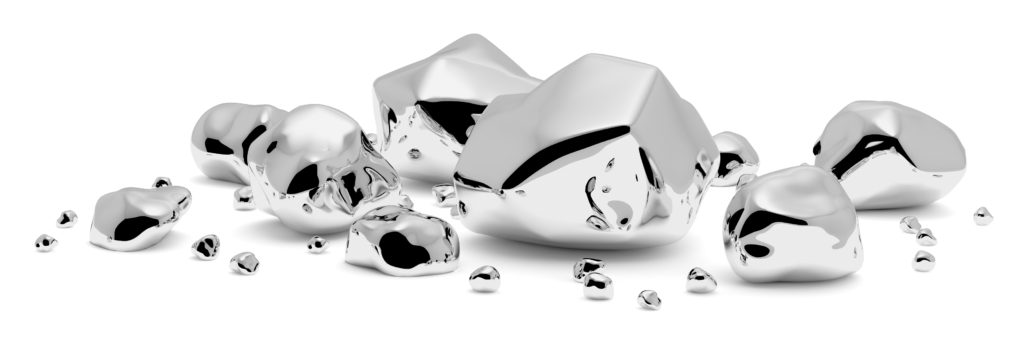
A precious metal is any metallic chemical element that has a high economic value; namely due to its rare occurrence in nature and its aesthetic qualities. In some cases, precious metal is used as currency; or has been in history. These metals are highly corrosion-resistant; making them great elements for jewelry, currency, and investment. The rarer a metal, the more precious and valuable it will be on the market. Types of precious metal include:

• Gold
• Platinum
• Silver
• Rhodium
• Palladium
• Ruthenium
• Osmium
• Iridium
• And More

At times, copper can be considered a precious metal when considering its uses in jewelry and currency; however, it is highly common and attainable making it “not-so-precious” of a commodity. Although not worth much, copper is a fantastic metal to sell or recycle because it can be reused over and over again for our own benefit. With the fluctuating economy in progress, valuable metals such as these retain their worth and are considered a valuable and lucrative investment.

Precious Metal Recycling

The more we recycle and reuse precious metals, the more we can preserve and protect the Earth’s natural resources. The advantages of recycling precious metals, such as gold or silver, are highly worth the trip to the metal processing center. Not only does this preserve our natural resources and environmental elements, it can put a few extra dollars in a person’s pocket as well. Here are some examples of precious metals in everyday items that can be recycled for cash:

• Jewelry
• Electronic Devices (i.e. Cell phones, DVD players, Laptops, Televisions, etc.)
• Automotive Car Parts (i.e. Engines, Catalytic Converters, Spark Plugs, etc.)
• Dental Fillings
• Silverware
• Circuit Boards
• Phones
• Cameras
• Laboratory Materials
• Coins
• And More

Recycling precious elements and commodities such as these is a wonderful way to support the environment and sustain our natural resources. It is also a great way to make some extra cash! Various metal recycling and processing companies offer cash for valuable scrap metal such as gold, silver, palladium, platinum, and more. Get in touch with a few local scrap yards to get an idea on who can offer you the best cash return for your precious metals.

Indianapolis Metal Recyclers

Indianapolis Metal Recycling 317-244-0700

Indianapolis Metal Recycling 317-244-0700

Call Zore’s Recycling at 317-244-0700 for the best returns on precious metal recycling in Indianapolis, IN. We offer the best rates and highest offers on valuable metals such as platinum, silver, and gold. We accept all forms of recyclable metal goods, including cars, appliances, construction equipment, motorized equipment, power tools, electronics, electrical wiring, and more. Call 317-244-0700 today for
more information about recycling
precious metal
in Indianapolis, Indiana.

The Top Three Most Recyclable Metals in Your Home

Indianapolis Copper Recycling 317-244-0700

Indianapolis Copper Recycling 317-244-0700

If you are getting ready to jump aboard the Eco-friendly train, a great place to start is recycling! Recycling is easy and does so much good for the environment by reducing landfill space, preserving our natural resources, and more. The best part about recycling is that it’s quick and effortless, so anyone can do it! All you need is a little preparation and recycling knowledge to get started. To begin, it is helpful to know what items can and should be recycled, and which of those items you have in your home.

The usual recyclable items include paper, plastic, and glass. But there is one other common recyclable material that many people overlook: metal! Metal can be recycled and reused over and over again, making it one of the best materials to recycle. There are several recycle metals found right in your home that you might not be aware of! Continue reading to learn what the top three most recyclable metals are in your home, as well as, examples of common goods made from them.

Metal Recycling

The three most recyclable types of metal in your home are copper, steel, and aluminum. Anything made from or containing either of these metals, and more, can be recycled and reused. Even if something is covered in a bunch of plastic, if it contains metal inside, it is a good candidate for recycling. Just be sure you are recycling the right items at the right places. Items that are made just of metal, like food cans, can be dropped off at your local recycling pickup station or other designated neighborhood recycling drop-offs. Whereas, larger items or items that contain metal inside should be taken to a metal recycling center for scrapping; including appliances, car parts, and more.

Recyclable Items Containing Copper, Steel, or Aluminum:

• Major Appliances
• Minor Appliances
• Stereos and Radios
• Electrical Wiring
• Food Cans
• Soda Cans
• Power Tools
• Ladders
• Scrap Metal
• Scooters
• Bicycles
• Jungle Gyms/Swing Sets
• Automotive Parts
• Junk Cars
• Window Frames
• Doors
• Computers/Laptops
• Plumbing Pipes
• Bathroom Fixtures
• Sinks
• Metal Railings
• Circuit Boards
• Cell Phones
• And More

Recycle Metal in Indianapolis

Indianapolis Metal Recycling 317-244-0700

Indianapolis Metal Recycling 317-244-0700

Call Zore’s Recycling at 317-244-0700 to recycle metal in Indianapolis. We are a professional scrap metal recycling center that has served the Hoosier community for over 75 years. We accept and recycle all metals, in any condition, and pay cash on the spot for them! Recycle junk cars, boats, construction equipment, power tools, old electronics, and more for an instant profit. We provide the most honest and fair quotes for scrap metal, based on current market prices. Call 317-244-0700 for information about scrap metal recycling services in Indianapolis, IN today.

Comparing Stainless Steel to Aluminum Metal

Since stainless steel and aluminum look so similar, many people believe they are the same type of metal. But this, of course, is not true. Although stainless steel and aluminum are used in similar industries, their qualities are different in many ways. Continue reading to learn some fun facts about both these metals, and the primary difference between them.

Metal Recycling Center 317-244-0700

Metal Recycling Center 317-244-0700

Stainless Steel

Stainless steel is a steel alloy used for several reasons, and in several industries. It is highly resistant to corrosion, tarnishing, and rust. The most common uses for stainless steel include food handling and processing, surgical instruments, medical devices, air crafts, appliances, hardware, and more. The common alloying ingredient in stainless steel is chromium, but nickel, copper, manganese, iron and molybdenum are also used. Stainless steel usually contains anywhere from 15% to 30% alloy content.

Aluminum

Aluminum is a silvery-gray, light-weight, non-magnetic metal used in countless industries and for several purposes. The most well-known use for aluminum is food and soda cans. But aside from canned goods, aluminum is also widely used in the automaker and aerospace industry for its ductile, corrosion-resistant qualities and more.

Comparisons

As for strength and weight, steel is stronger and weighs more. Aluminum is only one-third the weight of stainless steel, but this is why it is top-choice for automotive and aerospace manufacturing.

Both metals are highly-resistant to corrosion, but since stainless steel is non-porous, it is more resistant than aluminum.

Both metals are also good thermal and electrical conductors, but aluminum retains higher thermal conductivity. This is why it is used to manufacture things like car radiators and air conditioner units.

In terms of malleability, aluminum takes the cake. It is much softer and easier to work with compared to stainless steel. On the other hand, stainless steel is much easier to weld than aluminum.

As for price, aluminum is much cheaper.

Remember to recycle your unwanted scrap aluminum and steel metal!

Zore’s Recycling

Indianapolis Metal Recycling 317-244-0700

Indianapolis Metal Recycling 317-244-0700

Call Zore’s Recycling at 317-244-0700 to recycle aluminum in Indianapolis, as well as, all other metals you wish to discard. We accept all metals, including copper, steel, iron, precious metals, and more! Recycle old appliances, electronics, power tools, cars, water-crafts, and more for fast cash on the spot. We pay top-dollar for your scrap metal! Call 317-244-0700 to evaluate the worth of your scrap metal in Indianapolis, IN.

What is the Difference Between Hot-Rolled and Cold-Rolled Steel?

Indianapolis Steel Recycling 317-244-0700

Indianapolis Steel Recycling 317-244-0700

In the metal buying industry, the common question of hot and cold-rolled steel often arises. Buyers want to know the difference between these two types of steel, as well as, the differences between the manufacturing and galvanization processes. Knowing this information puts sellers and buyers in a position to make a more educated decision. There are some basic fluctuations between the two types of metal, regarding the make-up and manufacturing process. Continue reading to learn the difference between hot-rolled and cold-rolled steel.

Hot Rolling

Hot-rolled metal goes through a mill process called hot rolling. During this process, steel is rolled in temperatures higher than steel’s re-crystallization temperatures (usually above 1700 Degrees Fahrenheit!) to achieve easier malleability and ductility. This also allows steel to be manufactured in large sizes for commercial and industrial uses. Since the manufacturing process of hot-rolled steel does not require reheating of the metal, production costs are lower, making hot-rolled steel cheaper than cold-rolled steel.

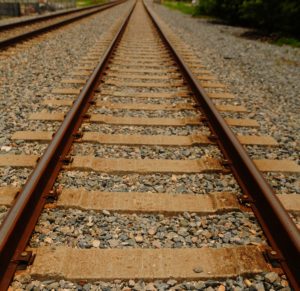
However, hot malleable metal eventually cools, and when it does, it also shrinks a bit, making final dimensions harder to control. This is one reason why hot-rolled steel is generally used in construction applications that do not require specific shapes and capacities (i.e. railroad tracks and I-beams).

Cold Rolling

Cold-rolled steel is basically the exact same as hot-rolled steel, but with the addition of further processing. The hot-rolled steel is taken to cold reduction mills for room-temperature cooling; and then the steel is put through a galvanization and/or tempers rolling process to harden and strengthen it. Cold-rolled steel allows for more dimension-control capabilities, as well as, a wider range of surface finishes.

If you own scrap steel sheet metal or other steel equipment, sell it to your local scrap metal recycling center for cash on the spot! Recycle all types of steel, including carbon, stainless, alloy, and more. Or sell items that contain high traces of steel, such as auto parts, junk cars, electronics, construction equipment, water crafts, motorcycles, and more!

Indianapolis Metal Recycling Services

Indianapolis Metal Recycling 317-244-0700

Indianapolis Metal Recycling 317-244-0700

Call Zore’s Recycling at 317-244-0700 to recycle metal in Indianapolis, Indiana. We pay top-dollar for all types of steel and items containing steel; including junk cars, appliances, power tools, construction equipment, boats, jet skis, ATVs, and more. We offer free quotes and current market prices for metal. Call 317-244-0700 to sell your scrap metal in Indianapolis, IN today!

How to Prevent Rust Formation on Metal

Metal Recycling Center 317-244-0700

Metal Recycling Center 317-244-0700

Rust is a type of corrosion that causes a buildup of reddish orange to brown-like discoloration on metal and metal objects. When iron and oxygen in the air mix, and moisture is introduced, rust is created in due course. And rust can be highly detrimental to the metal it forms on. If left untreated, rust can cause severe damage and deterioration. This is why prevention is so necessary. It is difficult to remove rust once it forms, but it can be done to some degree. It is better to catch it early on for easier removal and maintenance, than to wait until it reaches a point-of-no-return.

Stainless steel and weathering steels are the two metals that are virtually rust-resistant, but still require regular maintenance and care. Continue reading to learn four effective methods to manage, remove, and prevent rust formation on metal.

Galvanization

Galvanization is a process that applies a type of sealant on metal to protect it from natural wear and tear, like rust. It involves coating metal with an outer layer of metallic zinc by means of electroplating or hot-dip galvanizing. The zinc stops any substances, like moisture and oxygen, to penetrate the metal. This reduces rust formation and preserves the structural integrity of metal.

Paints and Lacquers

Organic coatings like paints and oil-based lacquers are inexpensive and easy to apply. Almost anyone above the age of 8 can figure out how to apply a paint brush to an object, which makes it a great family activity! Organic coatings protect metal from rust formation by blocking moisture and oxygen. It takes a few coats to get a durable result, but it works well and is easily affordable.

Powder Coatings

Powder coatings are a common application for rust prevention and metal protection. The types of powder coating materials include nylon, epoxy, vinyl, urethane, acrylic, and polyester. They are typically applied by means of electrostatic spray, to evenly coat the object in a thin layer of powder. The powder layer is then heated to form a thin film around the object.

Routine Maintenance

The most effective way to prevent rust is by routine maintenance and care. As soon as rust begins to form, use a knife or razor blade to gently scrape it away layer by layer. Although it may take a while, if you keep at it slowly through each lawyer, you can remove almost all of the rust. Follow up with a mild dish detergent and clean water mix, and the rust should be virtually unnoticeable.

If you have metal objects that are past the point of no return in terms of rust and deterioration, consider scrap metal recycling! You can do something positive for the environment and make room for new stuff if you simply donate all of your junk metal to a scrap metal recycling center. Some companies even pay cash-on-the-spot for junk cars and scrap metal!

Zore’s Recycling

Indianapolis Metal Recycling 317-244-0700

Indianapolis Metal Recycling 317-244-0700

Call Zore’s Recycling at 317-244-0700 to sell your scrap metal and junk cars in Indianapolis. We pay cash for sheet metal, recyclable metals, cars and trucks, appliances, electronics, tools, construction equipment, and much more. For junk vehicles and large pieces, we offer free haul-away services! Call 317-244-0700 to learn more about scrap metal recycling in Indianapolis, IN today.

Which Metals are Not Recyclable and Why?

Nearly all metal and objects containing metal are recyclable. But there are, however, certain metals (most of which are not even accessible by common person) that are not recyclable, or not accepted at scrap metal recycling centers because they are hazardous waste. Continue reading to learn about these particular metals, and where to recycle metal in your community.

Non-Recyclable Metals
Metal Recycling Center 317-244-0700

Metal Recycling Center 317-244-0700

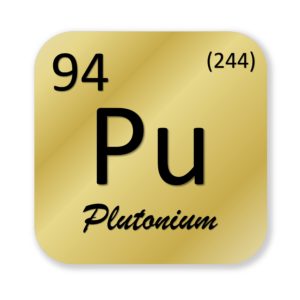
The most common (and obvious) non-recyclable metals are Uranium and Plutonium. These are referred to as radioactive metals. Now unless you are a scientist, physicist, military engineer, or some secret government nuclear power mastermind, you are not going to ever see or come into contact with Uranium or Plutonium. But just as food for thought, they are radioactive metals that are not suitable for recycling because they are extremely detrimental to our health and environment.

There is a third metal too toxic to recycle, and that metal is Mercury. This also includes anything made with or containing Mercury. Lastly, another metal that should not be recycled is lead; like lead-acid batteries and cathode ray tubing found in television sets and computer monitors. Although most scrap metal recycling centers will accept these commodities, they will remove the toxic metal components before the salvaging process. To further understand more about Uranium, Plutonium, and Mercury, and why these metals are not safe to recycle, check out the brief descriptions of each below:

Plutonium – Plutonium starts out brightly-colored silver and gray, but quickly changes to duller colors, even greens and yellows, when exposed to oxygen. It has a high boiling point and is a good conductor of electricity, but a poor conductor of heat. It is brittle and hard, but can be more malleable if combined with another metal. Human exposure to plutonium, for instance through inhalation, can cause genetic impairment, radiation poisoning, lung cancer, and death.

Uranium – Uranium is a heavy and dense metal that is named after the seventh planet from the sun, Uranus. It naturally occurs in rocks and oceans. It was first discovered in a mineral called pitchblende in 1789 by a German chemist named Martin Klaproth. The slow, radioactive decay of Uranium is what heats the Earth’s core, making it an abundant source of concentrated energy. It causes convection and continental drift too. It is found in familiar commodities like yacht keels and airplane counterweights, but it is also used for radiation shielding.
Metal Recycling Center 317-244-0700

Metal Recycling Center 317-244-0700

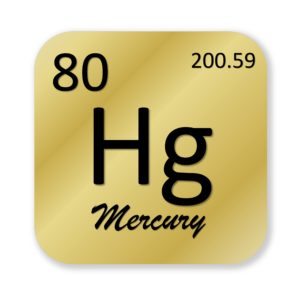
Mercury– You may recognize Mercury better by its nickname, Quicksilver. It is the only metal that is a liquid at standard pressure and temperature conditions (with the exception or Bromine), and has the lowest boiling point. Like Plutonium, it is a good conductor of electricity, but poor conductor of heat. A person can get mercury poisoning from eating seafood contaminated with traces of mercury, inhaling Mercury vapors, or exposing themselves to water-soluble forms of Mercury, like Methyl-mercury or mercuric chloride. Familiar commodities that use mercury include thermometers, barometers, and fluorescent lights.

Lead– As the heaviest non-radioactive metal, Lead is soft, malleable, and appears as a bluish-white color until exposed to air. It then turns to a dull gray-like color. It is mainly used in today’s society for building construction, lead acid batteries, ammunition, and as a shield for radiation (just like Uranium). Lead is a neurotoxin, poisonous to both humans and animals if ever ingested or inhaled. It can cause brain disorders, blood disorders, and nervous system damages.

To learn which metals can be recycled, contact your local scrap metal recycling center. They will have all the information you need regarding metal recycling and more.

Zore’s Recycling
Zore's Metal Recycling Indianapolis, IN 317-244-0700

Zore’s Metal Recycling Indianapolis, IN 317-244-0700

Call Zore’s Recycling at 317-244-0700 to recycle metal in Indianapolis. We are a family owned and operated company that has been serving the Hoosier communities for over 80 years! That means you can trust that we offer top quality services, 24 hour customer support, and we make metal recycling easy for you! We accept and pay cash for all metal and objects containing metal, including cars, boats, auto parts, appliances, construction equipment, computers, electronics, and much more. Call 317-244-0700 for information about our Indianapolis scrap metal recycling services, today.

What are Red Metals?

Indianapolis Copper Recycling 317-244-0700

Indianapolis Copper Recycling 317-244-0700

Red metal is a colloquial term used for the common alloys we know as copper, bronze, and brass. They all retain a reddish hue similar to one another, earning them the aforementioned moniker. Although all three metals are similar in color and even share a nickname that supports this similarity, they are all quite different when it comes to composition, qualities, and more. Continue reading to learn more about red metal, and the differences between copper, brass, and bronze.

Copper

Copper is resistant to corrosion, highly durable, malleable, and retains superior thermal and electrical conductivity. These qualities have proven to be highly beneficial and purposeful in several industries, including electrical material and product manufacturing, automotive, and plumbing. Not only is copper corrosion-resistant, it combats bacterial growth. For this reason, it is commonly used for door knobs and other surfaces that are touched frequently.

Bronze

Bronze is an alloy of copper, containing copper, as well as, other materials like tin or aluminum. Other metallic ingredients used in combination with copper to make bronze include arsenic, manganese, phosphorus, and silicone. Bronze is harder than copper but has a duller gold-like color in comparison to the other two red metals. Bronze also has faint rings on its surface, making it easy to tell it apart from copper and brass. It is used to make medals, plaques, musical instruments, hardware like bearings and bushings, and more. Types of bronze include tin or phosphor bronze, aluminum bronze, and silicone bronze.

Brass

Brass is simply an alloy made from copper and zinc. The amount of zinc can vary, creating brass metals that vary in color and other properties. The more zinc there is, the more durable and less ductile the brass will be. Although one of the three red metals, brass can also range in color between yellow and orange, depending on the zinc content. Brass is primarily used to make décor, as it resembles gold, and also in musical instrument manufacturing and design.

Sell Your Scrap Metal for Cash

Do you have extra metal laying around that you want sell for profit? Even junk scrap metal can be sold for cash on the spot! Things like electrical wiring, laptops, stereos, appliances, general electronics, sheet metal, pipes, cars, and more can be traded for fast cash no matter what condition they are in!

Zore’s Recycling

Indianapolis Metal Recycling 317-244-0700

Indianapolis Metal Recycling 317-244-0700

Call Zore’s Recycling at 317-244-0700 for information about copper recycling in Indianapolis, Indiana. For more than 75 years, our company has provided trusted metal recycling services to all the surrounding Hoosier communities and businesses. We pay cash on the spot for scrap metal, including copper, bronze, brass, tin, aluminum, steel, iron, platinum, gold, and more. Call 317-244-0700 and speak with a friendly and knowledgeable company representative about our Indianapolis metal recycling services and current market values.

Which Types of Steel Can Be Recycled?

Indianapolis Steel Recycling 317-244-0700

Indianapolis Steel Recycling 317-244-0700

Steel is a ferrous metal that contains both iron and carbon. It is one of the most predominately-used, highly beneficial, multi-purposeful assets to historic and modern-day society. Everything from skyscrapers to plumbing pipes, soup cans, construction equipment, and more are built with steel; and the list doesn’t even come close to stopping there. And many new steel products are likely to contain anywhere from 25% to 100% of recycled material.

It is wise to recycle metal in every way possible in order to preserve our Earth’s naturally-occurring metal deposits. If we recycle metal, we can mine less, preserve energy, and reuse more! There are a few different kinds of steel used in today’s industries, all of which can be recycled! Continue reading to learn the different types of steel and how to get a metal recycling program started in your household or even the entire community!

Metal Steel Recycling

All steel can be recycled, and so can commodities that contain steel. In fact, all metal can be recycled, as well as, all commodities that contain metal! When it comes to steel, finding items to recycle is easy since it is such a prevalently-used metal. Things like appliances, power tools, construction equipment, cars, machinery, and even soup cans are all things that contain steel and can be recycled.

Here are the Four Types of Steel:

Carbon Steel

Accounts for over 80% of the world’s steel production. Comes in low, medium, or high carbon content, ranging from 0.04 to 1.5 percent.

Stainless Steel

Contains anywhere from 10% to 20% Chromium. Comes in three groups based on crystalline structure: Ferritic, Austenitic, and Martensitic.

Alloy Steel

Contains traces of non-ferrous alloying metals like copper, nickel, aluminum, titanium, and more. Used for automotive parts, power generators, pipelines, and more.

Tool Steel

Contains cobalt, vanadium, tungsten, and molybdenum. Used for cutting and drilling equipment. Depending on quantities, these metals increase heat resistance and strength.

Start Recycling Metal Today

Locate a nearby scrap metal company and ask about their metal recycling guidelines and services. Designate a box or receptacle in the home or office to remind and promote recycling habits. At the end of each month, donate or drop-off your collection of steel recyclables at your local scrap metal center, or place them in a public recycling bin assigned for metal. Either way, you are doing something positive for the environment, the community, and the steel industry all at once. Go ahead and treat yourself to something nice each month, like a sweet scoop of ice cream or new golf glove, as a reward for starting a recycling program in your home or office and remembering to keep at it every day.

As for the community, get neighbors and residents on board by posting flyers, holding free awareness fundraisers like car washes or concerts, and additional social initiatives to promote a recycling program in your town.

Indianapolis Metal Recycling Services

Indianapolis Metal Recycling 317-244-0700

Indianapolis Metal Recycling 317-244-0700

Call Zore’s Recycling at 317-244-0700 to learn more about recycling metal in Indianapolis, Indiana. We accept all metal and metal commodities, including appliances, cars, electronics, sheet metal, motorcycles, car parts, cans, and much more. We even pay cash on the spot for scrap metal! Call 317-244-0700 for trusted Indianapolis metal recycling services near you.

The Charms of Metal Detecting

Metal Recycling Center 317-244-0700

Metal Recycling Center 317-244-0700

Although not intended to be a pun, one could certainly find a few “charms” on a successful metal detecting quest! One of the first steps to metal detecting is buying a device. Look for the best deals online, and consider purchasing one that comes with a warranty. Keep in mind that there are several types of metal detectors on the market for beaches, oceans, lakes, and land, so be sure to get the right one for your specific topography.

Continue reading to learn some more pleasures to metal detecting and the benefits it can render.

Hunting for Metal

If you wish to hunt for metal using a metal detector, it is recommended to start in your local area since you know it well. This will help you be more comfortable while practicing with your new device. When it comes time to look for land, be sure to ask permission from property owners before entering onto any premises. With the same respect, be sure to notify the landowners of any valuable or historic findings, or make some sort of arrangement before starting your hunt.

The best part of the day to metal detect is at dawn or right before. This is when the ground is still soft from overnight and morning dew, so digging and retrieving is much easier. Also, there is very little foot traffic and road traffic at this time so you won’t be bothered by sounds of cars or people interfering with your search space.

It is wise to check with your county for laws pertaining to metal detecting on public property like parks and beaches. There may be some minor paperwork, registering, or rule sot follow, all of which may vary from county to county.

Pleasures and Prizes

Metal Recycling Center 317-244-0700

Metal Recycling Center 317-244-0700

The best part about metal detecting is the exciting unknown! You never know what you may find and when and where; and it’s possible to find some valuable stuff! The items found with metal detectors have been amazing, from vintage coins and jewelry, to antique auto parts and more! And even better, all the metal you find can be sold and/or recycled at a local scrap metal recycling center! Many scrap metal yards pay cash for scrap metal parts and pieces. This means you can make a profit from the metal you don’t wish to keep for yourself!

Zore’s Recycling

Indianapolis Metal Recycling 317-244-0700

Indianapolis Metal Recycling 317-244-0700

Call Zore’s Recycling at 317-244-0700 to recycle scrap metal in Indianapolis, Indiana. We offer the highest returns for all types of metal, junk cars, equipment, and more. If you wish to sell a junk car for cash, we will provide free towing and haul-away services! Call 317-244-0700 to learn more about our scrap metal recycling services in Indianapolis, IN.

Which Metals are Magnetic?

Metal Recycling Center 317-244-0700

Metal Recycling Center 317-244-0700

Metals can be put into one of two categories: Ferrous and non-ferrous metal. Ferrous metals are those that contain traces of iron. In fact, the term “ferrous” literally means “of or contain iron.” And with this being said, you can correctly assume that “non-ferrous” means there is no iron content present within a metal. We mention these facts because it helps to remember which metals are magnetic and which are not. You see, there are numerous types of metal that have magnetic properties, so long as they contain one or more of the metals listed below.

Magnetic Metals

• Iron
• Cobalt
• Nickel
• An Alloy or Mixture of Any One of the Above Metals

So this means that any metal that contains iron, cobalt, nickel, or a metal mixture that contains one of the three, is a ferrous metal, and also, magnetic. These metals are “ferromagnetic” or “ferrimagnetic” materials. Their magnetic capabilities and properties are strong enough for them to be considered ferromagnetic. A naturally-occurring magnetic mineral, used in the early days of compass manufacturing, is called lodestone. It is the only natural magnet.

Even electromagnetism, which sends electrical currents through coils, uses ferromagnetic materials to produce magnetic fields. For example, coils are often wrapped around steel or other ferromagnetic material. These coils are only magnetic when an electrical current is sent through them. The steel center allows for a stronger magnetic field. This technology is used prevalently in engines and turbines, as well as, a means to produce electricity.

It is important to preserve our natural resources the best we can, and metal recycling is a great way to achieve this! Magnetic metals, just like all other metals, are 100% recyclable. They can be smelted, melted, or reused in various industries all over the world. Contact a local scrap metal recycling center for details about recycling magnetic, ferrous, non-ferrous metals, and metal commodities (i.e. cars, appliances, electronics, etc.) in your neighborhood. You might even be able to pocket some cash for it!

Zore’s Metal Recycling

Indianapolis Metal Recycling 317-244-0700

Indianapolis Metal Recycling 317-244-0700

Call Zore’s Recycling at 317-244-0700 for information about our metal recycling services in Indianapolis, Indiana. We offer cash on the spot for scrap metal, junk cars, appliances, power tools, construction equipment, sheet metal, precious metal, and much more! We also offer free towing and haul-away services for junk car recycling! Call 317-244-0700 today to recycle metal in Indianapolis, IN.